

)
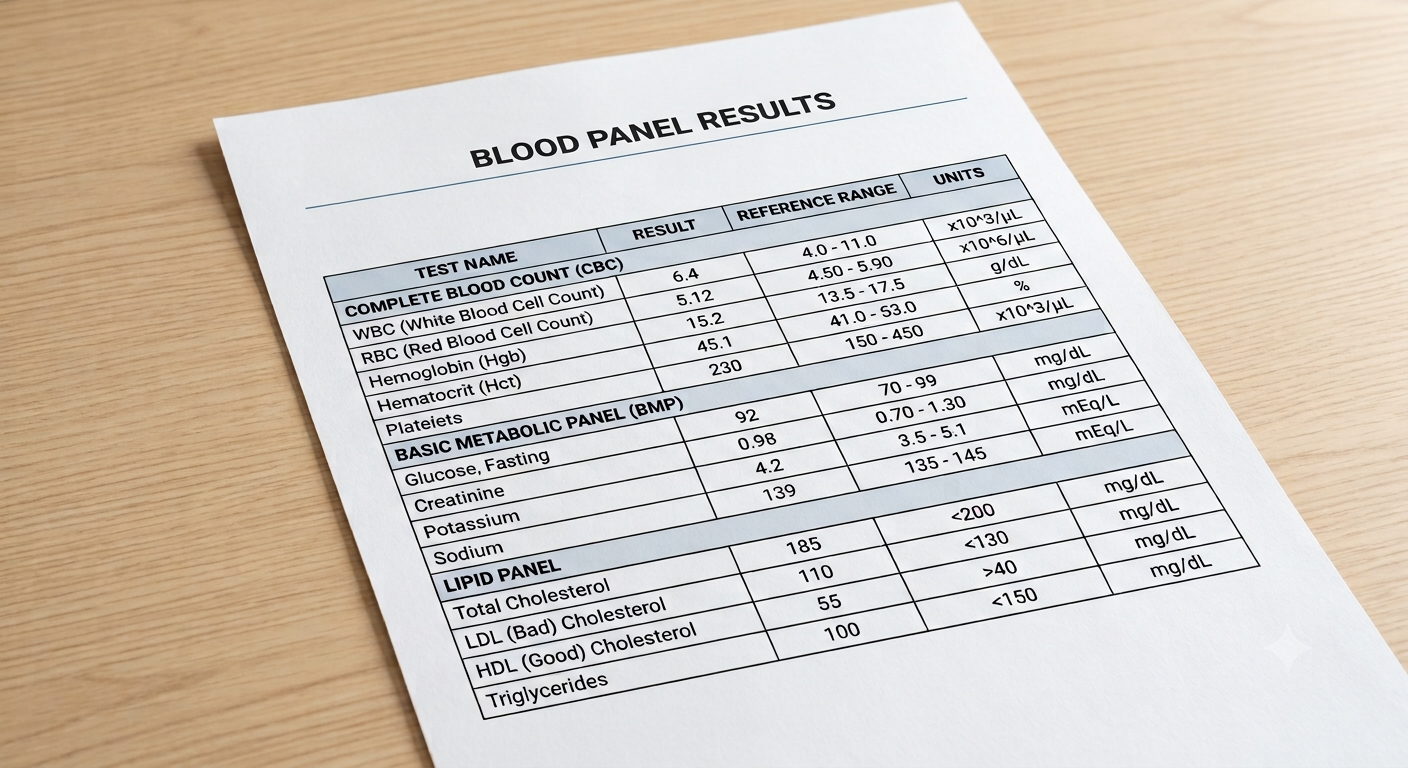
Most people only start worrying about their heart after something has already gone wrong. A sudden bout of chest pain, breathlessness on a flight of stairs that never used to bother them, or a relative's health scare that suddenly makes it personal. But your heart doesn't wait for a dramatic moment to send warnings. It usually starts talking years, even decades, before an actual heart attack or stroke. It does so through three fairly ordinary numbers - your blood pressure, your cholesterol, and your blood sugar. None of these show up as symptoms in the early years. That's precisely what makes them dangerous, and also why keeping a regular eye on them is one of the most practical things you can do for your heart.
Blood Pressure And Heart Health
Think of blood pressure as the force your blood exerts on artery walls every time your heart beats. Most patients with high blood pressure had no idea until a routine check flagged it.
The heart, over time, has to work harder against this constant resistance, and a muscle that overworks eventually thickens and grows tired, much like any muscle pushed beyond its limit. The inner walls of arteries take damage too, becoming rougher and more prone to blockages, which is a big part of why uncontrolled blood pressure raises the odds of heart attacks, strokes, and even heart failure. It doesn't stop at the heart either - the kidneys and eyes, both rich in small blood vessels, often bear the brunt as well.
Managing blood pressure, though, is fairly simple.
- Cut back on salt, and be wary of packaged or processed foods where sodium hides in large amounts
- Walk briskly for around 30 minutes most days - nothing fancy, just consistent movement
- Find a way to manage stress that actually works for you, whether that's a short walk after meals or a few minutes of slow breathing
- Go easy on alcohol and skip smoking altogether
- Get your blood pressure checked periodically, even when you feel completely fine
Cholesterol And Heart Health
Cholesterol has an unfair reputation, largely because people forget the body actually needs some of it. The trouble starts when there's too much of the wrong kind circulating in your blood. There are two types of cholesterol - LDL, which we call "bad" cholesterol, and HDL, the "good" one that helps clean up excess fat.
When LDL levels run high for too long, it starts depositing itself along the inner walls of your arteries, forming plaques. Over years, these plaques narrow the arteries, restricting how much blood and oxygen reaches your heart. Heart attacks happen when one of these plaques suddenly ruptures. Making matters worse, when HDL levels are low, the body simply doesn't have enough of its natural cleanup crew to keep this build-up in check.
Managing cholesterol usually comes down to a few consistent habits:
- Swap fried and deep-fried foods for healthier fats like nuts, seeds, and olive oil
- Eat more fibre through fruits, vegetables, and whole grains
- Stay physically active - exercise is one of the few things that genuinely raises good cholesterol
- Get a lipid profile done at least once a year, particularly once you cross 30
- Stick with prescribed medication if your doctor has recommended it, rather than stopping the moment you feel fine
Diabetes And Heart Health
Diabetes is often talked about in terms of sugar and energy, but its impact reaches far beyond that. When blood sugar stays high for extended periods, it quietly injures the very blood vessels your heart depends on.
Over time, that excess sugar damages the delicate lining of blood vessels, and this damage speeds up the formation of fatty deposits inside the arteries, essentially accelerating the same plaque-building process cholesterol causes. This is part of why people living with diabetes tend to develop heart disease earlier, and often more severely, than those who don't. What makes diabetes particularly tricky is that it rarely comes alone. It's commonly found alongside high blood pressure and unhealthy cholesterol.
A few habits go a long way in keeping blood sugar under control:
- Cut down on refined sugar and heavily processed carbohydrates
- Build meals around whole grains, pulses, and vegetables
- Maintain a healthy body weight through regular movement, not crash efforts
- Check blood sugar levels periodically, especially if diabetes runs in the family
- Stay in touch with your doctor so medication and lifestyle plans can be adjusted as needed
Why These Three Numbers Rarely Act Alone
What's important to realise is that these three conditions rarely show up in isolation, and it's their combination that does the real damage. High blood pressure makes artery walls more vulnerable to the very plaques that excess cholesterol creates, while diabetes speeds up the whole process by injuring blood vessels from within. Someone with all three numbers only mildly out of range can carry a high heart risk.
It is crucial to note that all three of these numbers are, to a large extent, within your control. Regular check-ups, mindful eating, staying active, and taking medication consistently when advised can keep blood pressure, cholesterol, and blood sugar in a healthy range. Your heart isn't asking for much. Pay attention to these three numbers now, and you're far less likely to have it demand your attention later, in far more serious ways.
(By Dr Vineet Bhatia, Director, Interventional Cardiology, Cardiac Care, Medanta Noida)
Disclaimer: The opinions expressed within this article are the personal opinions of the author. NDTV is not responsible for the accuracy, completeness, suitability, or validity of any information on this article. All information is provided on an as-is basis. The information, facts or opinions appearing in the article do not reflect the views of NDTV and NDTV does not assume any responsibility or liability for the same.