

)
Winter is often celebrated for its comfort foods which are hot, rich and indulgent dishes that feel tailor-made to beat the cold. Seasonal eating habits tend to change significantly during colder months. While these foods may offer temporary warmth and satisfaction, research shows that some commonly consumed winter foods can quietly increase the risk of heart-related problems, especially in people with existing heart conditions, high cholesterol, hypertension, or diabetes. Cold weather itself already places extra strain on the heart. According to cardiovascular research, lower temperatures cause blood vessels to constrict, raising blood pressure and increasing the heart's workload. When this physiological stress is combined with foods high in saturated fats, trans fats, sodium, and refined sugars, the risk of heart complications may rise further. Below are winter foods that people with heart issues may need to limit or avoid.
Winter foods people with heart problems should avoid
1. Alcohol taken “for warmth”
Alcohol is often consumed in winter under the belief that it improves circulation. Medical research shows the opposite. Alcohol causes temporary warmth but ultimately increases blood pressure, disrupts heart rhythm, and raises triglyceride levels when consumed regularly.
2. Red meat and processed meats
Mutton curries, sausages, bacon, and salami are often consumed more in winter due to their “warming” reputation. Research indicates that red and processed meats are high in saturated fats and sodium, which can elevate blood pressure and increase the risk of heart attacks. Processed meats also contain preservatives linked to vascular damage.
3. Butter, ghee and cream-based gravies
Traditional winter cooking often uses extra ghee, butter, or malai for richness. While small amounts may fit into a balanced diet, excessive intake increases saturated fat consumption. Research links high saturated fat intake to raised LDL cholesterol, a key risk factor for heart disease.
4. Winter desserts
Laddoos, halwas and other winter sweets are typically made using refined flour, sugar, and hydrogenated fats. Studies show that diets high in refined carbohydrates and added sugars increase triglyceride levels and insulin resistance, both harmful for heart health.
5. Instant soups and packaged winter foods
Instant soups and ready-to-eat meals may seem convenient during cold days, but they often contain extremely high sodium levels. Excess sodium intake is directly associated with high blood pressure and increased risk of stroke and heart disease.
6. Sugar-laden hot beverages
Hot chocolate, flavoured coffees, and sweetened teas are winter staples. However, these drinks often contain large amounts of added sugar. High sugar intake has been linked to inflammation, obesity, and higher risk of cardiovascular mortality.
7. Pickles and preserved foods
Pickles are commonly eaten with winter meals for flavour. While fermented foods can be beneficial in moderation, most Indian pickles are high in salt and oil. Studies associate high salt intake with increased blood pressure and arterial stiffness.
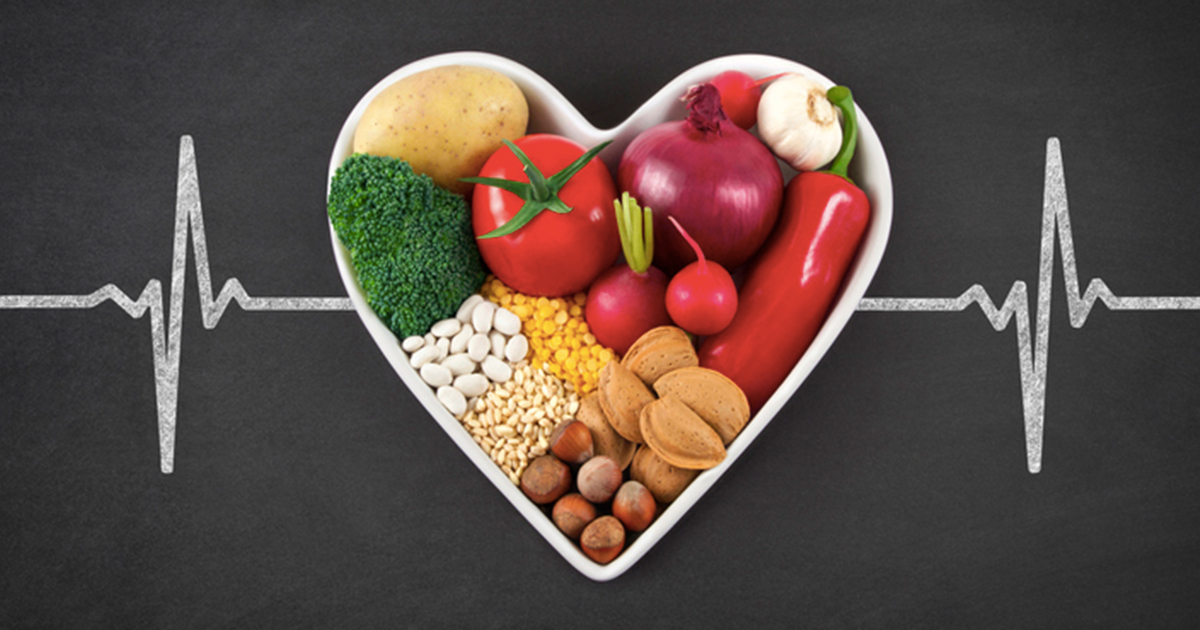
Heart health is influenced not only by what is eaten but also by portion size, frequency, and overall lifestyle. Winter tends to reduce physical activity levels, which further compounds dietary risks. Medical guidelines emphasise choosing heart-friendly winter foods such as seasonal vegetables, whole grains, nuts in moderation, legumes, and warm home-cooked meals with minimal oil and salt.
People with heart disease, high cholesterol, or blood pressure issues are advised to consult a healthcare professional before making significant dietary changes, especially during winter.
Disclaimer: This content including advice provides generic information only. It is in no way a substitute for a qualified medical opinion. Always consult a specialist or your doctor for more information. NDTV does not claim responsibility for this information.
References
Dietary Fats and Cardiovascular Disease Risk, National Institutes of Health (NIH), 2017
Sodium Intake and Cardiovascular Health, Centers for Disease Control and Prevention (CDC), 2020
Red Meat Consumption and Heart Disease Risk, National Center for Biotechnology Information (NIH), 2019
Added Sugars and Cardiovascular Disease Mortality, American Heart Association Journal, 2014
Cold Weather and Cardiovascular Risk, National Heart, Lung, and Blood Institute (NIH), 2018
Alcohol and Heart Health, World Health Organization (WHO), 2019
Refined Carbohydrates and Metabolic Syndrome, NCBI, 2016