

)
Globally, 262 million patients are diagnosed with asthma as of 2019, while in India, the asthma rate is at 2,241 per 100,000. These figures, according to the World Population Review, are significantly lower in India than the global average, but it still poses a major public health burden. The aspects that cause issues and increase the disease burden are inhaler reliance, which is subject to availability, price, usage requirements and the correct dosage of medications. When it comes to asthma management, specifically managing airway inflammation and preventing asthma attacks, these medications are needed for asthmatics depending on the severity of their symptoms. And now there is new hope that is showing promising results, as a new drug has been introduced that has passed phase 2 clinical trials. To understand how the drug functions and how it can help manage asthma better, you need to look at the mechanism it operates on.
What Is Lunsekimig?
The drug known as 'lunsekimig' is a specific formulation that has been created to tackle airway inflammation, which is the leading cause of tissue damage. The target areas of this drug via its five linked antibody fragments are that it plans to tackle TSLP and IL-13, which are key drivers of type 2 inflammation. Inflamed airways are what trigger an asthma attack and can lead to serious health complications as the body becomes oxygen-deprived. The dual signalling protein blockade system is designed to suppress the primary cause of asthma and offer relief to asthmatic patients.
Clinical Trial Highlights For Lunsekimig
The data pool consisted of adult patients who had moderate-to-severe asthma, a form of the disease marked by recurrent symptoms and frequent flare-ups despite standard-of-care treatment.
The phase 2 trials worked on 1147 participants who had asthma, and their geography was global to showcase the effectiveness on a varied population. 252 global sites were used to conduct the trial, which showed promising results to reduce fractional inhaled nitric oxide, improve lung function, and reduce problems with flare-ups.
Lunsekimig was administered in multiple dosing regimens to assess its effectiveness over a duration. The study established a primary endpoint that recorded the rate of asthma exacerbation events over 48 weeks.
Also Read: What Is Bronchial Asthma And Why Cold Weather Makes It Worse

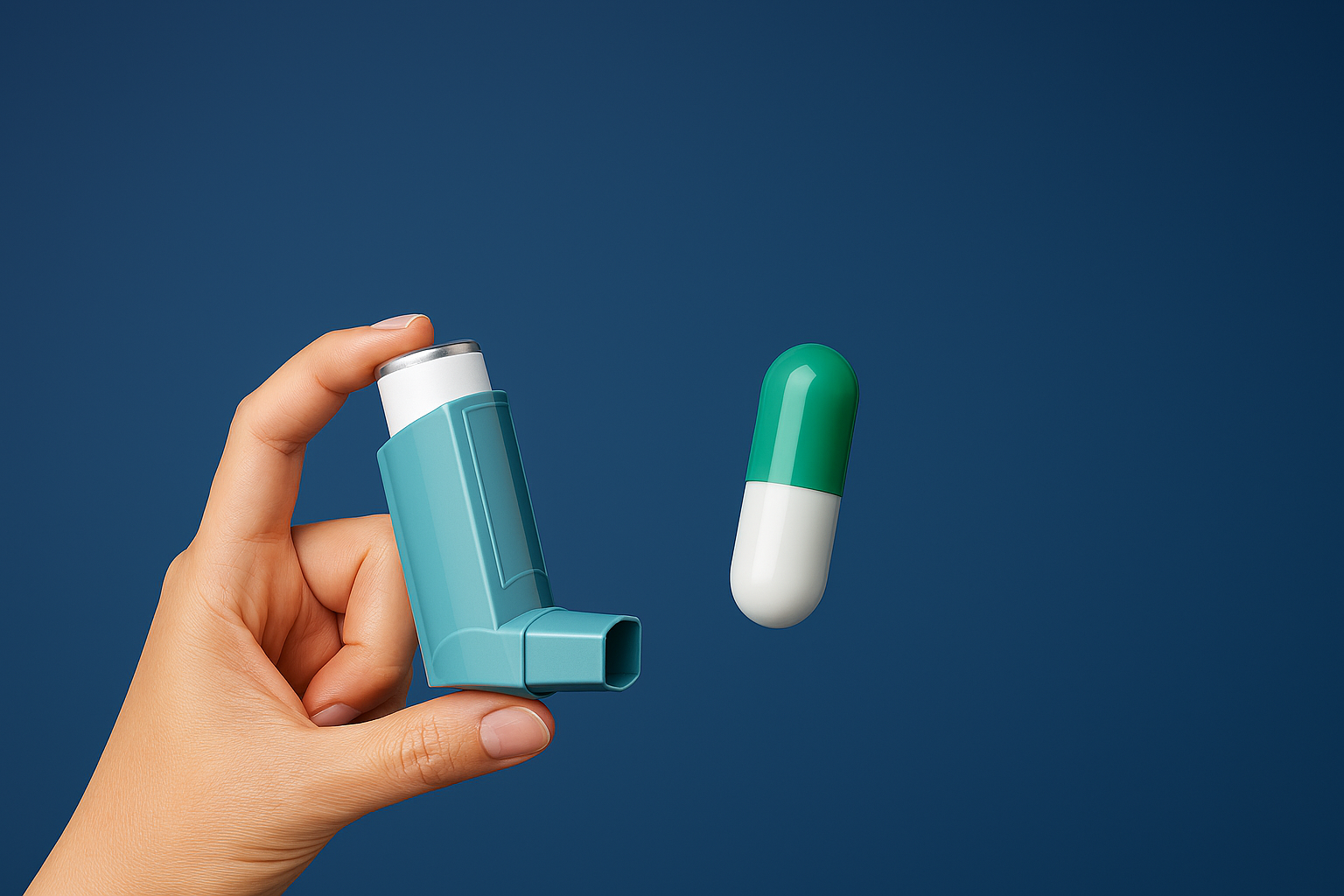
An asthmatic patient using an inhaler
Photo Credit: Freepik
How It Compares To Existing Treatments
Existing asthma treatments to address airway inflammation require dispensing inhaled corticosteroids or biologics, which work on the effectiveness and severity of asthma in patients.
Lunsekimig has the potential to replace or reduce inhaler use, as the device needs to be physically present to make sure the medication reaches the airways.
The inhalers dispense short-term medications that reduce airway inflammation and offer momentary relief from the inability to breathe. But if an effective drug can take its place, the factor of timely administration for relief can be addressed.
Implications For Asthma Care In India
Asthma care in India poses a significant health burden, especially because of worsening air pollution and challenges that can occur with established protocols. When it comes to this drug's specific implications for asthma care in India, the following challenges can be addressed once this drug is approved for asthma management:
- Currently, the first line of treatment in asthma care requires inhaled medication involving a combination of reliever and controller medications.
- Several challenges exist in the ability to provide accurate asthma management, such as improper inhaler technique, inappropriate dosages, and associated health issues that can lead to asthma remission.
- If the warning signs are delayed due to late exhibition of worsening conditions, then healthcare professionals face challenges with dispensing timely treatment.
Also Read: Muscle Loss And Reduced Strength Are Emerging As Major Health Concerns; Fortis Doctor Explains Why
Risks And Limitations With Lunsekimig
- The trial phase status is currently in phase 2 and requires further testing to prove its efficacy in people with varying degrees of asthma.
- There are regulatory frameworks that exist that need to be met by the new drug for safe use by asthma patients.
- The drug has not yet been approved for general use, and you need to keep a watch on how it can help with further testing.
What's Next?
The exact timeline for phase 3 trials and the approval process needs to be fulfilled to dispense it safely to reduce the asthma disease burden.
This drug can help people who are currently having asthma and facing challenges with its management. Either the medications that they are using via inhalers are not helping them get relief quickly, or their current asthma management protocol is not helping them function in their day-to-day lives.
The new asthma drug Lunsekimig shows promise in reducing inhaler dependency by targeting dual inflammatory pathways. You need to stay aware of the development in its trials and official announcements that can help you access the drug once it is available.
Disclaimer: This content, including advice, provides generic information only. It is in no way a substitute for a qualified medical opinion. Always consult a specialist or your own doctor for more information. NDTV does not claim responsibility for this information.