

)
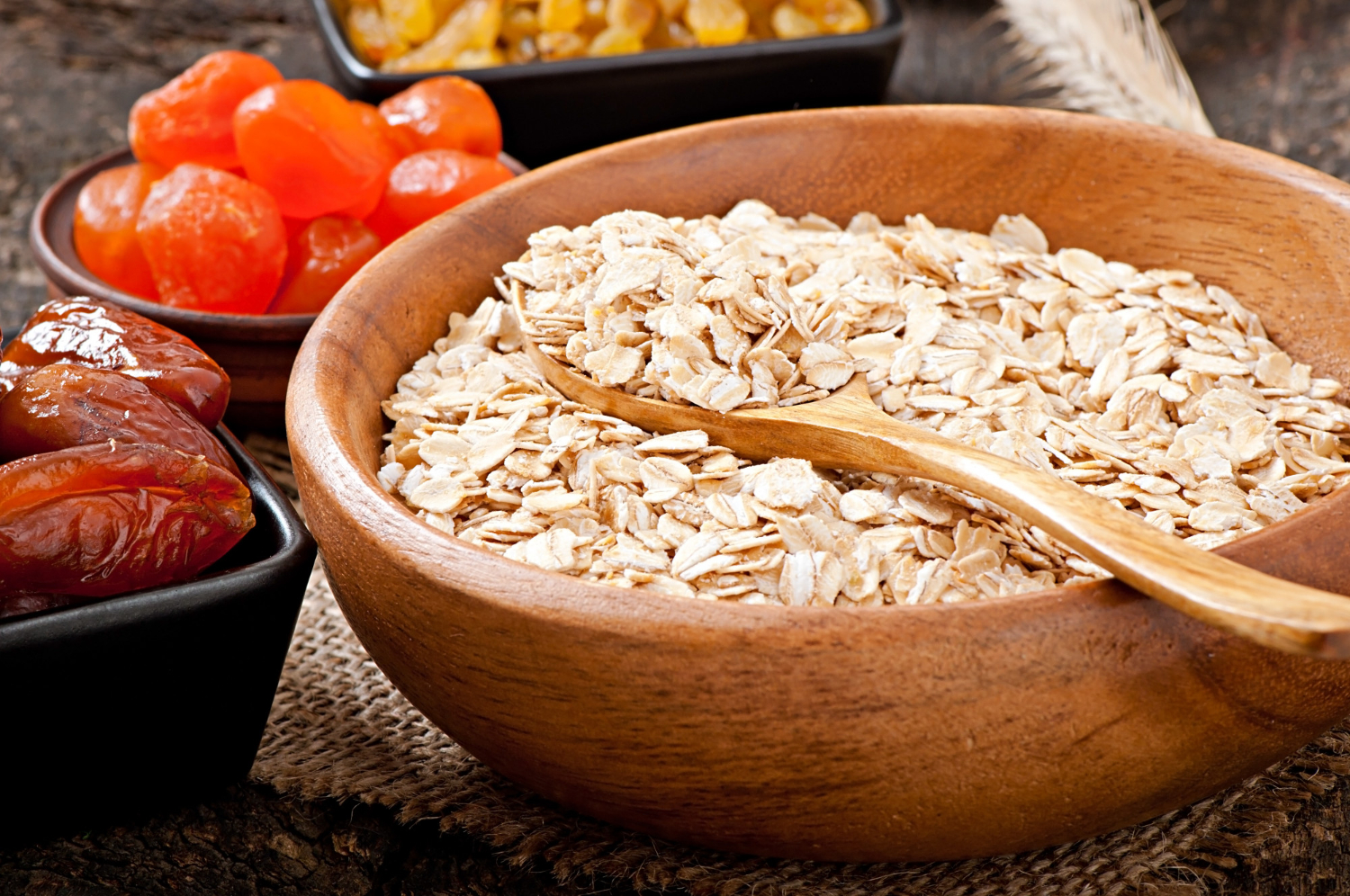
Oats are a healthy source of high protein that most people consume for breakfast. But assuming that your body's protein needs can be met with oats only is a dietary mistake. According to the Indian Council of Medical Research (ICMR) and National Institute of Nutrition (NIN) dietary guidelines, raw plain oats contain 13.6 g of protein per 100 g. While the protein needs of a healthy adult are 0.8 g to 1.0 g per kg of body weight, which translates to 56-70 g of protein for an individual who is 70 kg. Based on these measurements, it would be unrealistic to assume that consuming plain oats can fulfil your daily protein requirements. Besides protein, oats are also rich in dietary fibre, healthy fats, carbohydrates, energy, and heart-health-boosting health benefits. This makes consuming oats a nutritious and healthy option, but solely consuming them for their high protein content is a mistake.
Why Oats Are Often Seen As A High-Protein Food
Oats are categorised as a high-protein food due to their readily absorbable 0.8 to 1 g of protein per 100 g. It is important to consider that this nutritional benefit is for plain and steel-cut oats, not for flavoured mixed oats commonly sold in ready-to-eat packages. The breakfast staple is fibre-rich and protein-rich, but, for instance, an individual who weighs 70 kg would need to eat approximately 600 g of oats in a single sitting. This is not possible, as your body can't process so much fibre in one go, as oats are typically eaten cooked, and their ability to absorb a liquid such as plain water or milk can change their protein content.
How Much Protein Is Actually In A Bowl Of Oats?
According to the ICMR and NIN, rolled oats that are most commonly available for consumption contain 13.6 g of protein per 100 g. When this exact figure is compared with other high-protein foods, such as eggs, which have 6.0-6.7 g of protein, then oats have a higher amount of protein.
If instead of using milk, you add Greek yoghurt to your bowl of oats, then about 8-10 g of protein per 100 g of protein can be added.
Nutritionist Anjali Mukerjee explains, "Oats are a nutritious whole grain, but they are not a standalone high-protein food. Pairing oats with protein-rich foods such as Greek yoghurt, milk, eggs, or soy milk and almond milk can significantly improve the overall protein quality of the meal."
The Biggest Mistake People Make When Eating Oats For Protein
The biggest mistake that people make when consuming oats is eating them solely for protein. Do not assume that oats are enough to fulfil the complete protein requirements for your well-being. So, just consuming a bowl of plain oats is not enough for protein. The exact protein needs vary by age, gender, and activity level, and they need to be calculated and consumed accordingly.
Ignoring Total Protein Intake
The total protein intake throughout the day needs to be factored into the protein needs of any individual. It also plays a role in keeping you full and maintaining your muscle mass. This is especially true for those who are trying to increase their weight to build muscle by exercising regularly.
Are Oats A Complete Protein?
A complete protein refers to foods that contain 9 essential amino acids that can nourish the internal system. Amino acids are essential compounds that the body uses to make protein. Their presence in protein-rich foods needs to be in balance for them to become the go-to protein sources.
But complete protein foods such as oats should not be a standalone source of daily protein.
What Happens When Your Breakfast Lacks Enough Protein?
Your breakfast needs to be high in protein, as a lack of this essential component can lead to side effects. The potential side effects of eating breakfasts lacking protein can be the following:
- Hunger soon after eating is a common side effect, as protein plays a role in satiety (fullness).
- Increased snacking is a sign that your nutritional needs are not being met in the meals that you are consuming.
- Difficulty meeting daily protein goals is a common side effect that can affect your daily energy levels.
- Reduced muscle support, especially in older adults, can happen when people are protein-deficient.
How To Turn Oats Into A High-Protein Breakfast
To turn a simple bowl of oats into a high-protein breakfast, you need to add ingredients that contain protein as well as those that add essential vitamins and minerals to your bowl.
Add Greek Yoghurt
Nutritionist Leema Mahajan notes, "If you take rolled oats and pair them up with a high-quality dairy milk, yoghurt, or nut milk and pair them up with a source of protein, then you make yourself a breakfast of champions."
A simple addition of Greek yoghurt that has higher protein than plain curd can help boost the fullness of the breakfast bowl.
Use almond milk or soy milk instead of water to boost the protein dose.
The ICMR and NIN nutrition database shows that soy milk contains 2.6 to 3.0 g of protein per 100 ml. This is roughly equal to 6-8 g of protein per 240 ml per cup.
Include Nuts And Seeds
Nuts / Seeds and their protein (g/100 g)
- Soybeans (dry): 36-43 g
- Pumpkin Seeds: 30-32 g
- Watermelon Seeds : 28-30 g
- Hemp Seeds: 30-32 g
- Sunflower Seeds : 20-21 g
- Flax Seeds: 18-20 g
- Sesame Seeds (Til): 18-19 g
- Almonds: 20-21 g
- Pistachios: 19-20 g
- Peanuts: 25-26 g
- Cashews: 18-19 g
- Chia Seeds: 16-17 g
- Walnuts: 15-16 g
This protein density makes nuts and seeds a go-to choice to boost the protein quotient of the breakfast bowl.
Nutritionist-Approved Oatmeal Combinations
Clinical Nutritionist Shweta Shah explains that combining a bowl of plain rolled oats with the following additions can boost their nutritional and protein profile. Here are the combinations that you should try:
- Option 1: Oats, Greek Yoghurt, Chia Seeds, and Berries
- Option 2: Oats, Milk, Almonds, and Pumpkin Seeds
- Option 3: Overnight Oats, Soy Milk, and Peanut Butter
- Option 4: Savoury Oats, Paneer and Vegetables
Who Should Pay Special Attention To Breakfast Protein?
The exact amount of protein in your breakfast should be a matter of concern for those who need an extra boost to their energy levels. Here are the people who should pay special attention:
- Vegetarians and vegans
- Older adults
- Athletes and gym-goers
- People are trying to lose weight
- Busy professionals
Note: The kind of sweetener that you add to your breakfast bowl determines the blood sugar spike that your breakfast bowl may cause. Choosing naturally low blood sugar spike-causing sweeteners, such as honey. Raw brown sugar, date palm, maple syrup, or coconut sugar can make a difference. The exact quantity of the sweetener also matters.
Oats do have a high amount of protein as well as health benefits that your body needs. But it shouldn't be the only source of protein in your diet. Nutritionists such as Leema Mahajan and Shweta Shah recommend pairing rolled oats with nutritionally proven combinations to increase the protein level in your breakfast.
Also Read: Night Owls May Have More Belly Fat, Higher Blood Sugar, Poorer Lipid Profiles: Study
Disclaimer: This content including advice provides generic information only. It is in no way a substitute for a qualified medical opinion. Always consult a specialist or your own doctor for more information. NDTV does not claim responsibility for this information.