
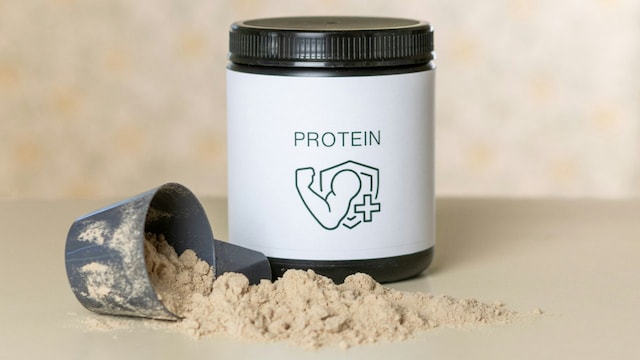
Walk into any gym today, and you will find protein powders occupying nearly as much space as the equipment itself. Whey, casein, plant-based blends, collagen boosters - the options are endless, and so is the enthusiasm with which people consume them. While adequate protein intake is undeniably important for muscle repair, immunity, and overall metabolic health, overconsumption of supplements can put a strain on the liver.
A growing number of patients, particularly young adults and fitness enthusiasts, have been seen with elevated liver enzymes and, in some cases, more significant hepatic injury, with no apparent cause other than high-dose protein powder use.
How can excessive protein powders strain the liver?
The liver is the body's primary metabolic powerhouse. Every gram of protein you consume, whether from food or a supplement, must be processed here. When protein intake is moderate and spread across meals, the liver handles this efficiently. But when large quantities of concentrated protein are consumed repeatedly through supplements, the liver is forced into overdrive. Here is what that looks like physiologically:
1. Nitrogen overload and urea cycle stress
Protein metabolism produces ammonia as a byproduct. The liver converts this ammonia into urea through the urea cycle, which is then excreted by the kidneys. When protein intake far exceeds the body's needs, the urea cycle is chronically overloaded. Over time, this metabolic stress can impair liver cell function and contribute to hepatic inflammation.
2. Additives, adulterants, and contaminants
Many commercially available protein powders contain artificial sweeteners, heavy metals (cadmium, lead, arsenic), anabolic compounds, herbal extracts, and undisclosed additives. Several of these have established hepatotoxic potential. Drug-induced liver injury (DILI) linked to supplements, often termed herb- and dietary supplement-induced liver injury (HDS-DILI), is a growing category in hepatology clinics worldwide.
3. Pre-existing metabolic vulnerability
Individuals with non-alcoholic fatty liver disease (NAFLD), insulin resistance, or metabolic syndrome, conditions that are increasingly prevalent in India, have a liver that is already functioning under stress. Superimposing high-protein supplementation on such a background can accelerate hepatic injury. Fructose-containing protein blends and calorie-dense mass gainers are particularly problematic in this context.
4. Displacement of a balanced diet
When protein powders replace whole meals rather than supplement them, the liver is deprived of the micronutrients like B vitamins, choline, and antioxidants that it requires for healthy functioning. This nutritional imbalance compounds the metabolic strain caused by excess protein processing.
5. Cumulative oxidative stress
High protein metabolism increases the production of reactive oxygen species (ROS) within the liver. Without adequate antioxidant support, which a supplement-heavy diet often fails to provide, oxidative stress accumulates, damaging hepatocytes (liver cells) and contributing to inflammation and fibrosis over time.
It is important to clarify that moderate protein supplementation in otherwise healthy individuals, consumed within recommended limits and sourced from reputable manufacturers, can be beneficial to overall health. The danger lies in excess, poor-quality products, and vulnerability - a combination that is more common than most people realise.
Tips for safe protein powder consumption
The goal is not to demonise protein supplementation but to use it intelligently. Assess your actual protein needs first. The average sedentary adult requires approximately 0.8 g of protein per kg of body weight per day. Even for regular gym-goers, 1.2-1.6 g/kg/day is generally sufficient. Calculate what you are already getting from food before reaching for a supplement.
Choose third-party-tested products. Look for certifications such as NSF Certified for Sport, Informed Choice, or USP Verified on the label. These indicate independent testing for contaminants and label accuracy. Be especially cautious with budget brands and unregulated online imports.
Stick to one scoop per serving. Most protein powders provide 20-25 g of protein per scoop, close to the maximum amount the body can efficiently use in one sitting for muscle protein synthesis. More is not better; it is simply more work for your liver.
Do not use protein powders as meal replacements. Supplements are meant to complement a diet, not replace it. Whole food sources like eggs, legumes, dairy, fish, and lean meat provide proteins in a matrix of fibre, micronutrients, and bioactive compounds that supplements cannot replicate.
Stay well hydrated. Increased protein metabolism generates additional nitrogenous waste. Adequate water intake supports renal clearance and reduces the metabolic burden on the liver.
Get periodic liver function tests. If you are consuming protein powders regularly, ask your doctor for a liver function test (LFT) every six months. Early detection of elevated transaminases (SGOT/SGPT) allows for timely intervention before significant injury occurs.
Stop supplementation and seek medical review if symptoms arise. Unexplained fatigue, nausea, abdominal discomfort, or yellowing of the skin and eyes (jaundice) in someone consuming protein supplements should prompt immediate medical evaluation and temporary discontinuation of the supplement.
Disclose supplement use to your doctor. Many patients do not consider protein powder supplements and therefore do not mention them during consultations. This omission can delay diagnosis. Always inform your gastroenterologist or physician about every supplement you take.
The liver is a resilient organ, but it is not invincible. Treating supplementation with the same caution you would apply to any other health intervention - informed, measured, and medically supervised when needed - is the most effective way to protect it.
Disclaimer: The opinions expressed within this article are the personal opinions of the author. NDTV is not responsible for the accuracy, completeness, suitability, or validity of any information on this article. All information is provided on an as-is basis. The information, facts or opinions appearing in the article do not reflect the views of NDTV and NDTV does not assume any responsibility or liability for the same.