

)
H1N1 cases are rising in Delhi-NCR, and doctors are reporting patients with influenza-like illness as well as some developing breathing complications. But while the increase has put respiratory symptoms under the spotlight, doctors stress that not every cough or episode of breathlessness during the current flu season means severe H1N1. Delhi has reported 1,449 H1N1 cases up to August 12, 2026, more than six times the 229 cases reported during the same period last year, according to National Centre for Disease Control (NCDC) data. Hospitals including Ram Manohar Lohia Hospital and Safdarjung Hospital have strengthened arrangements to manage influenza and possible complications.
"Not every H1N1 infected patient gets breathing complications and most of them get cured with support care,"says Dr Chirag Tandon, Director - Internal Medicine, ShardaCare - HealthCity. However, he says patients whose lower respiratory tract is affected can develop breathing problems and complications such as pneumonia.
Dr Manoj Kumar Goel, Principal Director & Unit Head - Pulmonology & Sleep Medicine, Fortis Memorial Research Institute, Gurgaon, similarly warns that severe infection can put the lungs under significant stress.
So, when does breathlessness during H1N1 become a serious warning sign?
Why Are Some H1N1 Patients Developing Breathing Problems?
H1N1 is an influenza A virus that primarily affects the respiratory tract. Most infections remain uncomplicated, with symptoms such as fever, cough, sore throat, headache, muscle aches and fatigue. WHO says most people with non-severe influenza recover without requiring medical attention.
But influenza can sometimes progress to lower respiratory tract infection and pneumonia. Dr Tandon explains that the virus can damage the airways and lung lining, with inflammation interfering with the lungs' ability to transfer oxygen into the bloodstream. "A serious case of this could cause pneumonia thereby impeding gas exchange, an adequate transmission of oxygen to the bloodstream from the lungs," he says.
Dr Goel adds that the concern is not simply the presence of a cough or fever, but whether the infection is beginning to impair lung function. WHO identifies shortness of breath, fast breathing, hypoxia and pneumonia as indicators of severe or complicated influenza. Patients can also develop acute respiratory distress syndrome (ARDS), sepsis or respiratory failure.
Also Read: Delhi Records 1,449 H1N1 Cases, Hospitals Step Up Preparedness
How Do You Know If Breathlessness Is Becoming Serious?
A person with flu may feel tired or slightly winded, particularly with fever. But new or worsening breathlessness is different. Dr Tandon says the symptoms to watch include "continuous cough and worsening breathlessness; increasing severity in chest pain and uncommon tiredness."
Dr Goel recommends particular attention to:
- Breathlessness at rest
- Rapidly worsening difficulty breathing
- Falling oxygen saturation
- Chest pain or pressure
- Very fast or laboured breathing
- Difficulty speaking or walking because of breathlessness
- Bluish or pale lips
- Severe drowsiness or confusion
- Sudden deterioration
WHO similarly lists breathlessness, difficulty breathing, turning blue, chest pain, fast or laboured breathing and hypoxia as signs requiring urgent review in influenza patients. The trajectory matters. Someone whose fever and cough are gradually improving is different from someone who initially seemed better but then develops worsening cough, breathlessness or persistent fever. WHO notes that influenza can progress rapidly, sometimes within 24 hours, from uncomplicated illness to severe disease.
What Does A Low Oxygen Reading Mean?
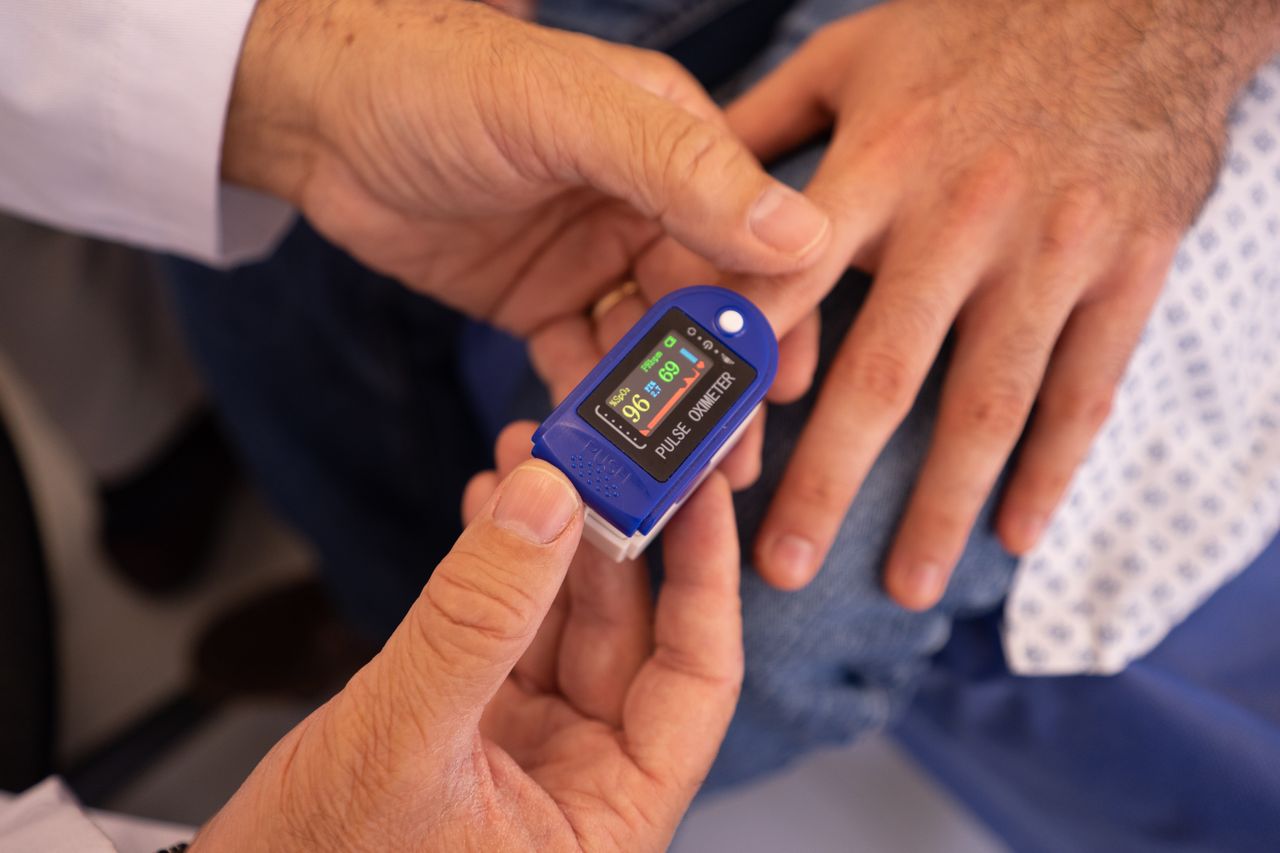
A pulse oximeter estimates blood oxygen saturation. A falling reading can indicate that the lungs are no longer transferring enough oxygen into the bloodstream. India's seasonal influenza clinical management protocol recommends oxygen therapy for patients with respiratory distress and oxygen saturation below 90%.
But doctors caution against treating one pulse-oximeter number as a diagnosis. Cold fingers, movement, poor circulation and incorrect positioning can affect readings. Therefore, a low reading should be checked properly, but a persistently low reading accompanied by breathlessness or other warning signs should not be ignored.
Dr Goel says oxygen support becomes important when a patient has low oxygen levels along with visible respiratory distress. "Low oxygen saturation levels, inability to speak and walk, pale bluish lips, extreme drowsiness, and confusion signifies a serious urgency and requires immediate intervention," he says.
Also Read: H1N1 Vaccine Is Critical Amid Delhi, Bengaluru Spikes: Who Should Get It And When?
Can H1N1 Cause Pneumonia And Respiratory Failure?
Yes. Influenza can cause primary viral pneumonia, while a person may also develop a secondary bacterial infection. Severe pneumonia can interfere with oxygen exchange and, in the most serious cases, progress to respiratory failure or ARDS.
This is why worsening breathlessness is more significant than simply having a high fever. Dr Tandon says some patients with lower respiratory tract involvement can develop pneumonia, while Dr Goel stresses that early recognition of deteriorating breathing is important because severe respiratory disease may require hospital-based oxygen or ventilatory support.
WHO's current influenza guidelines recognise severe pneumonia, ARDS and respiratory failure among complications requiring hospital-level care.
Who Is At Higher Risk?
Severe influenza can affect otherwise healthy people, but the risk is higher among certain groups.
These include:
- Older adults
- Young children
- Pregnant women
- People with asthma
- Those with chronic lung disease
- People with heart disease
- People with diabetes
- Those with weakened immunity
Dr Tandon says people with "asthma or any chronic lung, heart and diabetic conditions or elder patient may need more watchful care." WHO also identifies people with underlying chronic conditions and other risk factors as being more vulnerable to severe influenza.
Does Everyone With H1N1 Need Oxygen?
No. This is an important distinction.
Most people with influenza recover with supportive care and do not require oxygen. Oxygen is needed when there is hypoxaemia or respiratory distress, and the decision should be made based on the patient's oxygen level, symptoms, examination and overall clinical condition.
Dr Goel specifically cautions against attempting oxygen treatment without medical supervision. "One should avoid providing themselves with any kind of oxygen unless it has been confirmed and administered by a qualified medical practitioner," he says.
Severe cases may require oxygen through different forms of respiratory support and, when necessary, non-invasive or invasive ventilation.
What Should You Do If You Have H1N1 Symptoms?
For people with mild influenza, rest, adequate fluids and monitoring symptoms remain important. Dr Goel advises patients to "take rest and be sure to hydrate their bodies by taking lot of fluids and to keep a track of the symptoms."
People at high risk of complications should contact a doctor early. Antiviral treatment is an important part of managing influenza in patients at risk of severe disease, and WHO recommends antiviral therapy according to disease severity and risk profile.
Do not self-medicate with antibiotics or steroids.
Antibiotics do not treat H1N1 itself because it is a viral infection. They may be needed if a doctor identifies a secondary bacterial infection. Dr Goel also recommends respiratory precautions, including wearing a mask in crowded indoor settings and maintaining hand hygiene.
How This Fits Into Delhi's Current H1N1 Surge
The concern over breathing complications comes against the backdrop of a substantial increase in H1N1 cases in the capital. The latest NCDC-linked figure of 1,449 cases through August 12 confirms that influenza remains an important respiratory-health concern in the capital.
But the doctors' message is not to panic.
Rather, it is to recognise the difference between uncomplicated influenza and signs that suggest the infection is beginning to affect the lungs. The red flag is a change in the pattern of illness: worsening breathlessness, persistent low oxygen, chest pain, very rapid breathing, bluish lips, confusion, severe drowsiness or sudden deterioration.
As Dr Tandon puts it, "Not every H1N1 infected patient gets breathing complications and most of them get cured with support care." Dr Goel similarly emphasises that oxygen and other respiratory support should be guided by medical assessment rather than self-treatment.
The key takeaway is simple: don't panic over every cough, but don't normalise worsening breathlessness either. Recognising lower respiratory tract involvement early can make the difference between monitoring an infection at home and getting timely treatment for potentially life-threatening influenza complications.
Read More: H1N1 Cases On Rise: What To Eat And How To Rest For Quick Recovery
Disclaimer: This content including advice provides generic information only. It is in no way a substitute for a qualified medical opinion. Always consult a specialist or your own doctor for more information. NDTV does not claim responsibility for this information.