

)
Gut health can be influenced by more than just the food on your plate. Everyday choices around eating, sleeping, hydration, stress and physical activity can also affect how the digestive system functions.
Doctor Saurabh Sethi shares eight common habits that may be quietly taking a toll on gut health, many of which can easily become part of our daily routine.
8 habits quietly hurting your gut
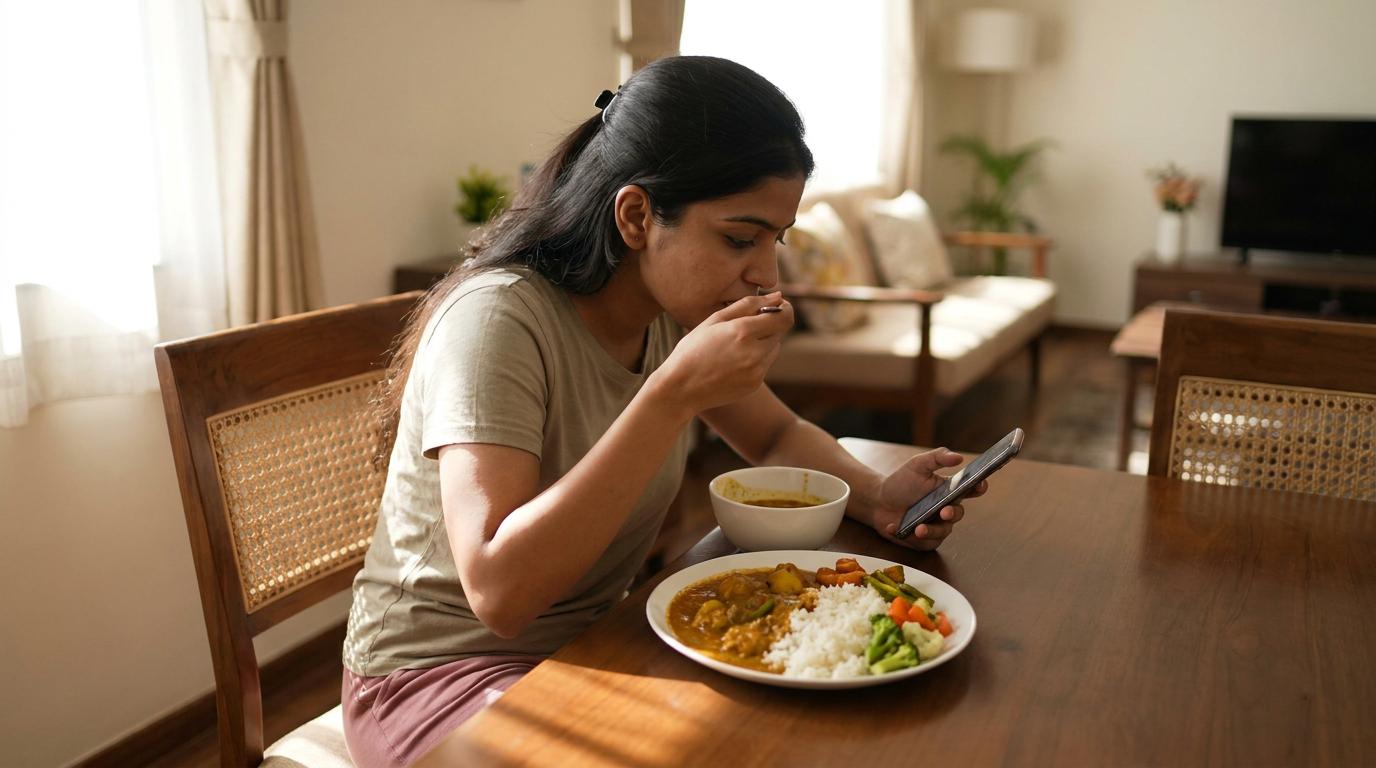
1. Eating while scrolling
Eating while scrolling disrupts digestion because the brain misses fullness cues and fails to properly activate the nervous system for enzyme release. "Studies show it can lead to eating more, especially later in the day," the doctor shares.
2. Random meal-skipping ≠ intermittent fasting
Randomly skipping meals due to stress or a busy schedule spikes stress hormones and disrupts gut motility. This erratic eating pattern fails to provide the consistency the digestive system requires. "Your gut generally does better with some consistency," he adds.
3. Ending every meal with something sweet
Sugar is the preferred food source for unfavourable gut microbes and yeasts. Overconsuming it can cause these populations to overgrow, which affects your "metabolic health or gut microbiome".
4. Popping ibuprofen for every minor ache
Frequent NSAID use can damage the protective lining of your stomach and small intestine, sometimes without obvious symptoms.
5. Hydrating only at night
Your gut and kidneys need water spread through the day, not dumped in one sitting. Timing matters more than most people think.
6. Ignoring the urge to go
Regularly holding in a bowel movement can contribute to constipation and make normal bowel habits harder to maintain over time.
7. Snacking constantly between meals
Your stomach and small intestine have a fasting clean-up pattern called the migrating motor complex. Eating interrupts it, so constant grazing gives your gut less time in that fasting state.
8. Eating right before bedtime
Late meals can worsen nighttime reflux, especially if you're prone to heartburn. Give yourself roughly 2 to 3 hours between your last meal and lying down.
Disclaimer: This content including advice provides generic information only. It is in no way a substitute for a qualified medical opinion. Always consult a specialist or your own doctor for more information. NDTV does not claim responsibility for this information.