

)
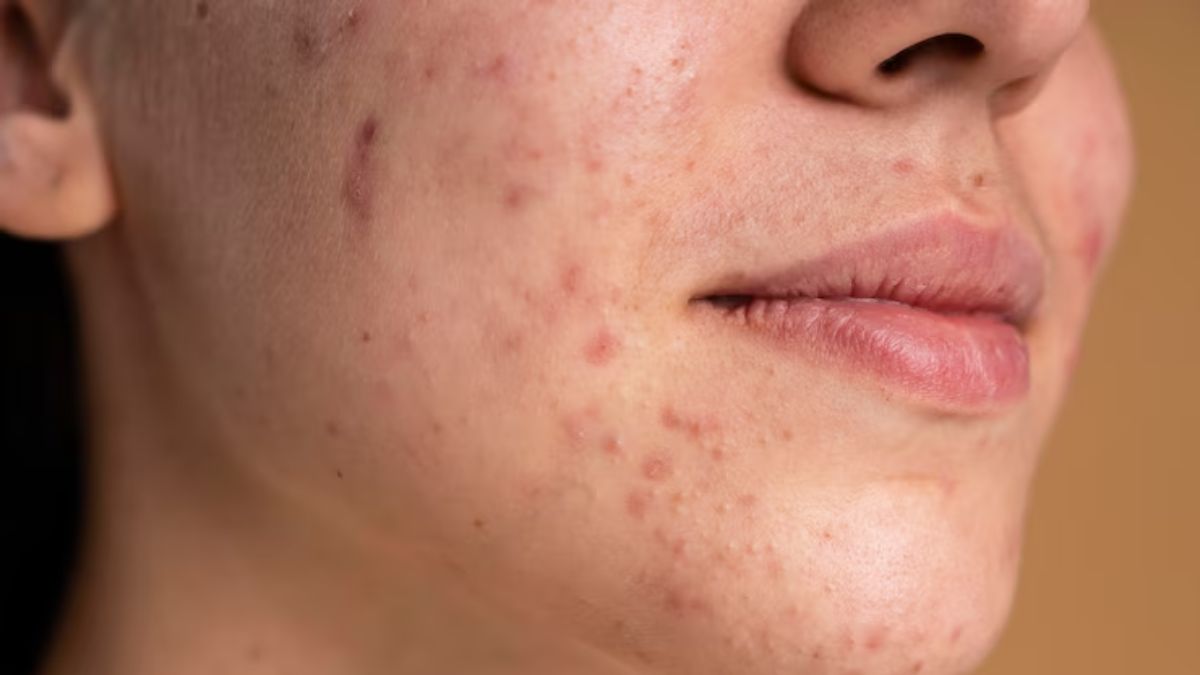
Acne is more than just the occasional pimple. For many, it is a persistent skin problem that can affect daily life and confidence. It usually begins when the skin's pores become clogged with excess oil, dead skin cells and bacteria, leading to breakouts such as pimples, blackheads and whiteheads on the face, chest, and back. While acne is most common during the teenage years due to hormonal changes, adults can struggle with it too. Along with the usual causes, clogged hair follicles, excess oil and bacteria, nutritionist Nmami Agarwal says several other factors can also trigger acne.
On Instagram, she says, “Your acne might not be a skincare problem… it might be more deep-rooted,” adding, “Breakouts often start inside before they show up on your face.”
“Your skin isn't being 'difficult'…It's just sending very visible emails,” she says.
Here Are 4 reasons For Acne Breakouts
1. Insulin Spikes
Nmami talks about certain lifestyle factors that lead to "Insulin Spikes," which in turn increase IGF-I. According to Nmami, this can stimulate excess oil (sebum) production and clogged pores, which can cause skin issues like acne and oily skin. She then notes the causes behind this, which are:
- Refined Carbs - Foods like white bread, pasta, and pastries have a high Glycemic Index (GI), meaning they break down into sugar very quickly.
- Sugar - Sugary drinks and snacks are often associated with insulin spikes.
- Low Protein - These help slow down the absorption of carbohydrates, which leads to faster glucose spikes.
- Stress - It triggers cortisol, which signals the liver to release stored glucose for "fight or flight" situations, thereby raising insulin levels.
2. Androgen Imbalance
The nutritionist reveals that Androgens activate sebaceous glands, which produce more oil, leading to acne. The main causes behind this, according to Nmami, are as follows:
- Poor Sleep
- PCOS/PCOD
- Processed Foods
- Irregular Menstrual Cycles
3. Gut Imbalance
According to the nutritionist, gut imbalance increases systemic inflammation and disrupts estrogen detoxification. She reveals the main causes behind this as follows:
- Poor Digestion
- Low Fibre
- Food Intolerances
- Frequent Antibiotics
4. Micronutrient Deficiency
Nmami reveals certain nutrients regulate skin cell turnover, reduce inflammation, and support hormone balance. However, the deficiencies can be the underlying "cause" of various skin and hormonal health issues, which are as follows:
-
Iron: This is essential for carrying oxygen to your cells. Low levels can lead to pale skin, brittle nails, and dullness due to insufficient oxygenated blood.
-
Zinc: A powerful anti-inflammatory nutrient which helps heal the skin and controls the production of oil (sebum). Zinc deficiency often leads to persistent acne or slow-healing wounds.
-
Vitamin A: Often called the "skin vitamin," it regulates cell turnover (the process of shedding old skin cells and producing new ones). Deficiency of this makes the skin dry, bumpy, or prone to clogged pores.
-
Omega-3: It is known for strengthening the skin barrier and lowering systemic inflammation, which helps prevent dry, itchy, or red skin.
By keeping the causes of acne breakouts mentioned above in check, you can efficiently prevent skin issues.
Disclaimer: This content including advice provides generic information only. It is in no way a substitute for a qualified medical opinion. Always consult a specialist or your own doctor for more information. NDTV does not claim responsibility for this information.