

)
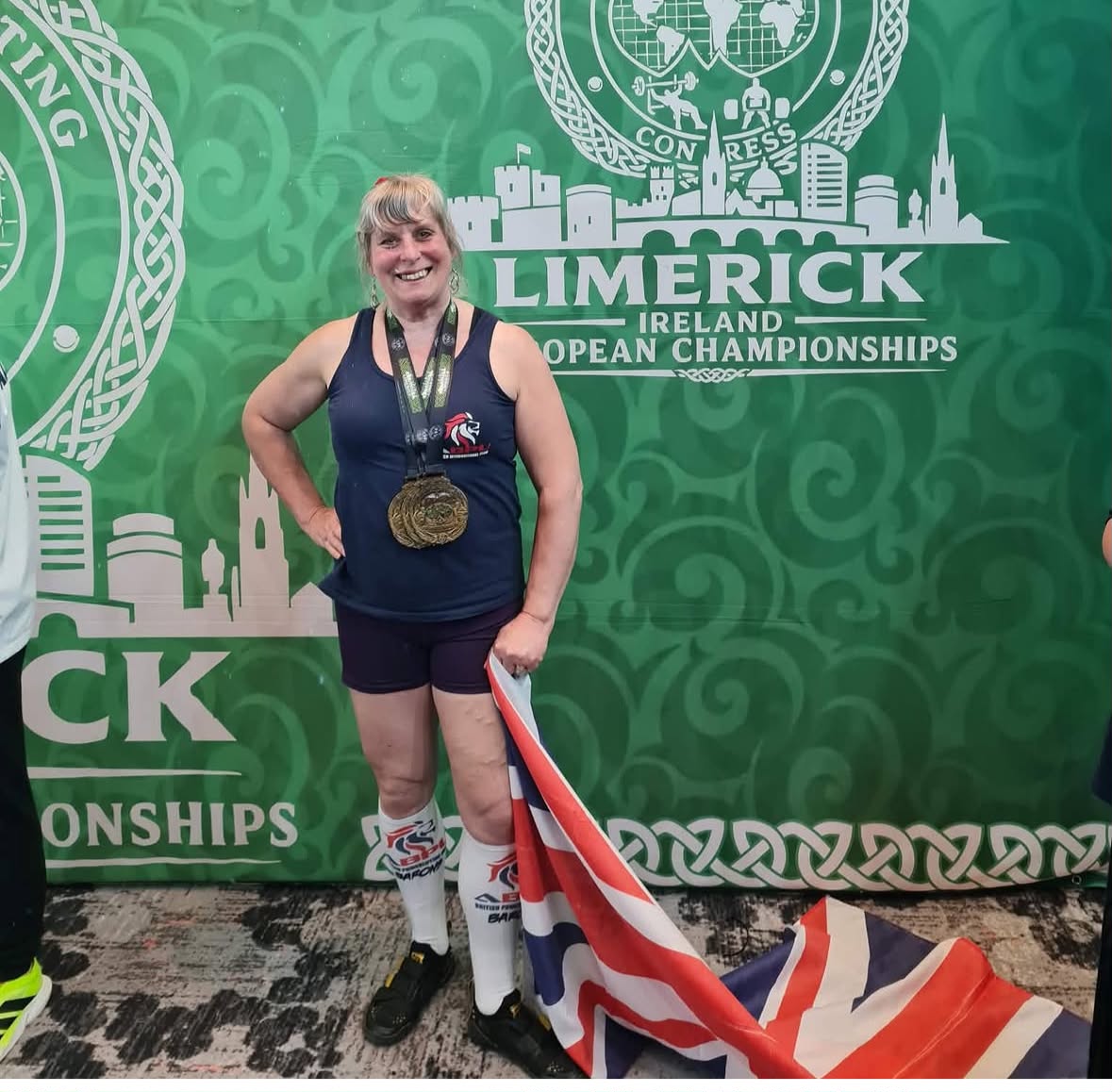
At 65, Martine Barons is showing that getting older does not necessarily mean stepping away from strength training. The grandmother from Stratford-upon-Avon recently won her third world powerlifting title, despite taking up weightlifting less than three years ago. Barons competed in the 65-85 age category at the AWPC World Powerlifting Championships on September 14, 2026. Her achievement is more than a sporting milestone. It also highlights an important aspect of healthy ageing: maintaining muscle strength can play a key role in helping older adults remain mobile, independent and physically capable. While most people do not need to train like a competitive powerlifter, regular strength training can become increasingly important with age. According to Dr Dharam Pandey, Physiotherapy, ShardaCare - Healthcity, ageing is naturally accompanied by a gradual decline in muscle mass and strength, known as sarcopenia. Over time, this can affect mobility, balance, posture and the ability to carry out everyday activities independently. Here is why strength training can matter as we get older.
1. It Helps Preserve Muscle Strength
Muscle loss is a natural part of ageing, but physical activity can help slow the decline. Resistance training places a controlled load on the muscles, encouraging them to adapt and become stronger. Maintaining strength in the legs, hips, back and core can make everyday movements easier. Activities such as climbing stairs, getting up from a chair, carrying shopping bags or lifting household objects all require a certain level of muscular strength. The objective is not necessarily to build large muscles. For older adults, maintaining functional strength can be far more important.
2. It Can Help Older Adults Stay Independent
One of the biggest benefits of maintaining strength later in life is the ability to continue performing everyday tasks without depending on others. Strength training does not have to mean lifting extremely heavy weights. Exercises can be adapted to an individual's abilities and can focus on movements that translate into everyday activities.
Barons has spoken about being able to move furniture, play with her grandchildren and feel more physically capable since taking up the sport. That is an important distinction. Strength is not only about what a person can lift in a gym. It can also determine how confidently they can move through everyday life.
3. It Can Support Balance And Help Reduce Fall Risk
Falls are an important concern as people age, particularly when muscle weakness and reduced mobility affect stability. Strengthening the legs and core can support physical stability. Exercises that specifically challenge balance and functional movement can also be incorporated into an older person's routine.
For people with reduced mobility, improving strength and balance may help them feel more confident while walking, standing up or navigating everyday environments. However, exercises should be selected according to an individual's ability. Someone with poor balance may need supervision or professional guidance when starting a new programme.
4. Strength Training Supports Bone Health
Muscles are not the only tissues that respond to physical loading. Resistance and weight-bearing exercises provide mechanical stimulus to the bones and can form part of an overall strategy for maintaining bone strength.
This becomes particularly relevant with advancing age, when bone density can decline and the consequences of a fall can become more serious. However, people with osteoporosis or a high fracture risk should not automatically begin heavy lifting. Their exercise programme should be appropriately assessed and progressed under professional guidance.
5. It Can Help Maintain Metabolic Health
Muscle tissue also plays an important role in how the body handles glucose. Maintaining muscle mass through regular physical activity can therefore form part of a broader approach to metabolic health as people age. Strength training can be combined with aerobic activities such as walking, cycling or swimming to create a more balanced exercise routine. The focus should be on regular movement rather than relying on one type of exercise alone.
6. Stronger Muscles Can Improve Confidence
The benefits of strength training are not limited to physical measurements. Being able to get up from a chair more easily, carry something that once felt heavy or climb stairs without struggling can change how a person feels about their physical abilities. This can create a greater sense of confidence and encourage continued physical activity. Barons has reported improvements in her posture, confidence and physical capability since taking up powerlifting.
For older adults, this sense of physical confidence can be particularly valuable because fear of falling or feeling physically weak can sometimes lead people to become less active, which can further reduce strength and mobility.
How Much Strength Training Do Older Adults Need?
Adults aged 65 and above are generally advised to include muscle-strengthening activities on at least two days a week, targeting the major muscle groups. They should also aim for regular aerobic activity and exercises that help improve balance. That does not mean every older adult needs to become a powerlifter.
Strength training can take many forms, including resistance bands, body-weight exercises, gym machines, dumbbells and appropriately prescribed free weights. For someone who has never strength-trained before, starting with manageable resistance and gradually increasing the challenge is generally more appropriate than immediately attempting heavy lifts.
Simple Strength Exercises Older Adults Can Try
Depending on an individual's fitness level and physical limitations, exercises such as sit-to-stands, squats to a chair, step-ups, resistance-band rows, wall or modified push-ups, hip bridges and light dumbbell exercises can provide a starting point. The emphasis should be on performing the movement safely and with good control. "Progressive resistance rather than simply exercising harder is the important principle," says Dr Pandey. The programme should be adapted to factors such as a person's fitness level, joint health, balance, previous injuries and existing medical conditions.
Strength Training Does Not Have An Age Limit
Martine Barons' story offers an important reminder that strength training does not have to stop simply because someone reaches their 60s or beyond. At the same time, her achievement as a competitive powerlifter should not be used as a benchmark for everyone. Competitive lifting involves specialised training and should not be confused with the amount of exercise an average older adult needs for healthy ageing.
For most people, the goal is much simpler: preserve strength, maintain mobility and remain capable of carrying out everyday activities independently. And sometimes, the best time to start working on strength is not when you are young. It is whenever you are ready to begin. Anyone with significant medical conditions, osteoporosis, cardiovascular disease, persistent joint pain or a history of falls should seek appropriate professional guidance before starting vigorous or heavy resistance training.
Disclaimer: This content including advice provides generic information only. It is in no way a substitute for a qualified medical opinion. Always consult a specialist or your own doctor for more information. NDTV does not claim responsibility for this information.