




- Fruits in India face adulteration risks like wax coatings and chemical residues that harm health
- Calcium carbide used in mango ripening causes neurological and gastrointestinal problems despite bans
- Oxytocin injected into watermelons can disrupt hormones and affect reproductive health
Fruits are packed with nutrients that are necessary for overall health. But the rising cases of fruit adulteration in India have led to certain health risks like food poisoning, cancer, nutrient deficiencies, or even increased chances of contracting serious diseases. Even though you may be eating healthy fruits, the effect on your body may be reversed. The so-called healthy fruits are sourced from local farms, vegetable markets, retail stores, or online delivery platforms, but these fruits on your table may be laced with possible adulterants if you miss the signs of it.
These most insidious chemicals on fruits are not visible to the human eye and need to be disinfected before consumption for safety reasons. Even though the Food Safety and Standards Authority of India (FSSAI) oversees adulteration in foods, especially fruits and vegetables, alongside issuing bans and advisories, the prevalence of fruit adulteration is present. As the recent case of fruit vendors who were arrested for using rat poison on fruits in Mumbai, so that rats don't eat the fruits during storage, has made people realise that awareness is necessary.
6 Hidden Health Risks In Fruits That You Need To Know
1. Wax-Coated Apples
Apples are generally considered to be one of the healthiest fruits, but their outside coating may be laced with chemicals. These chemicals give the apples a whitish, waxy feel upon touching, which needs to be thoroughly washed off before consumption. The FFSAI has established strict regulations that only food-grade wax can be used on fruits, specifically beeswax, carnauba wax, and shellac, provided they meet safety standards. But they are also cracking down on the possible use of synthetic wax and ripening agents that may be used by individuals to enhance the appearance of apples.
Here are the risks associated with possible chemical ingestion from waxy apples:
- Digestive issues, as the potential chemicals could irritate the intestinal lining and cause discomfort.
- The fruit coating chemicals need stringent regulation on a hyper-local level to stop possible contamination from happening, which leads to significant health-related issues.
- Here are some tips to thoroughly clean your apples before consumption if you are doubtful that the wax on them may be of chemical origin:
- Dip the apples in a solution of lukewarm salted water and keep them in it for 5 minutes.
- If the leftover water has residue, then there may be possible chemicals in it.
2. Calcium Carbide In Mangoes
Calcium carbide is a serious artificial ripening agent that is used to ripen mangoes. And it poses serious health risks, as it leaves toxic residues on the flesh of the mangoes that are generally touched during consuming the fruit. While its use has been banned since 2011 due to the serious health risks it poses, there are instances of its usage. The FFSAI has issued notices and implemented strict actions against the usage of calcium carbide for ripening mangoes. Health risks that are associated with the use of calcium carbide in mangoes may cause:
- Neurological (brain-related) issues like dizziness, headaches, memory loss, and cognitive impairments.
- Gastrointestinal (digestive) issues wherein ulcers, inflamed intestines, and vomiting are common.
- Toxic residue may be a byproduct of the flesh of the mangoes when they are disinfected.
- Here are some tips to identify whether the mangoes are possibly artificially ripened:
- Carbide-ripened mangoes often appear attractive but with black marks or spots on them.
- They lack natural aroma, texture, and taste, so if you are doubtful, then you need to thoroughly inspect the mango before eating it.
Also Read: Better Sleep To Immunity, 5 Reasons To Add Ber Fruit Or Indian Jujube To Your Healthy Diet
3. Oxytocin In Watermelons
Oxytocin is a hormone and neurotransmitter that regulates reproductive functioning. While it is banned by the FSSAI due to its harmful effects on the human body. There have been instances wherein oxytocin has been injected into watermelons to increase their size and juiciness, but their flavour is compromised.
- There are numerous side effects associated with the use of injectable oxytocin in watermelons; these can be:
- Hormonal imbalance can occur as an oxytocin endocrine function when it is ingested through food.
- There can be reproductive health concerns due to potential effects on fertility.
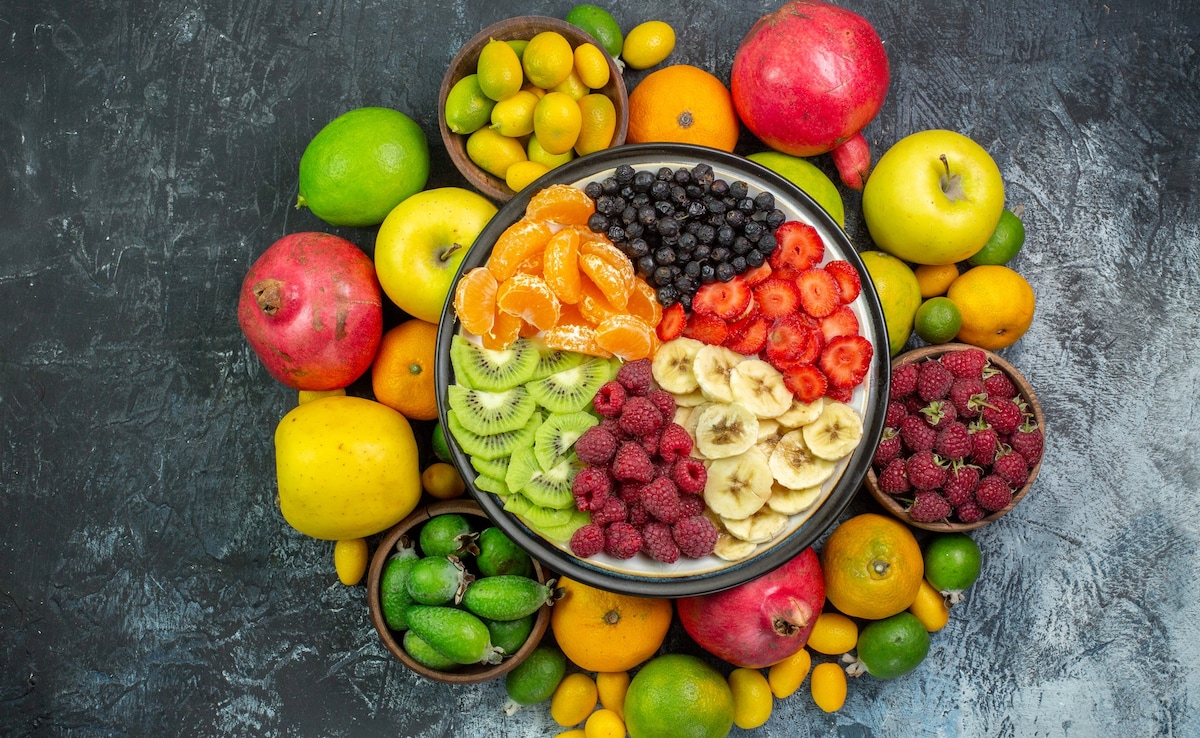
Fruits
Photo Credit: Freepik
4. Artificial Sweeteners In Grapes
While there are no confirmed cases of chemical adulterants being used in grapes, there are instances wherein grapes were injected with artificial sweeteners to boost their sweetness. There are also concerns related to possible pesticide residue that can be left over on the surface of the grapes, leading to health risks if not properly disinfected. Numerous health risks may be associated with grapes due to these concerns, which need attention:
- Metabolic disorders may occur, which may interfere with how the body processes and digests the fruit.
- Diabetes complications can be caused by artificial sugary fruits that spike blood sugar levels, and the pesticide residue may even interfere with diabetes medication.
5. Colouring Agents In Pomegranates
Pomegranates are considered to be nutrient-dense, and often the attractive red colour is what draws people in to consume the fruit. But there are instances, despite strict regulations by the FSSAI on the use of synthetic dyes to boost the vibrancy of the fruit. As of February 2026, the FFSAI has aligned Indian standards with global standards to curb the use of non-food-grade dyes being used as colour enhancers. Here are the possible health risks that you need to be aware of:
- There may be chances of cancer-causing chemicals being ingested if adulterated pomegranates are consumed.
- Hypersensitive individuals can develop allergic reactions to possible chemical dyes.
Also Read: Overnight Oats For Breakfast: How Healthy Is This On-The-Go Morning Meal?
6. Formalin In Imported Fruits
Formalin is a solution of formaldehyde in water that is normally used to extend the shelf life of imported fruits. With a great demand for exotic imported fruits in India, the health concerns involved with the use of formalin can occur, as they can cause the following issues:
- Potential risk of cancer, as formaldehyde can damage healthy tissue and cell function.
- There is also a chance for kidney damage, as the toxin load on the kidneys can increase due to long-term exposure.
The possible list of adulterants in fruits is a lesson to wash them thoroughly, preferably buy local, and always inspect the fruits before consuming them.
Disclaimer: This content, including advice, provides generic information only. It is in no way a substitute for a qualified medical opinion. Always consult a specialist or your own doctor for more information. NDTV does not claim responsibility for this information.
Track Latest News Live on NDTV.com and get news updates from India and around the world

