

)
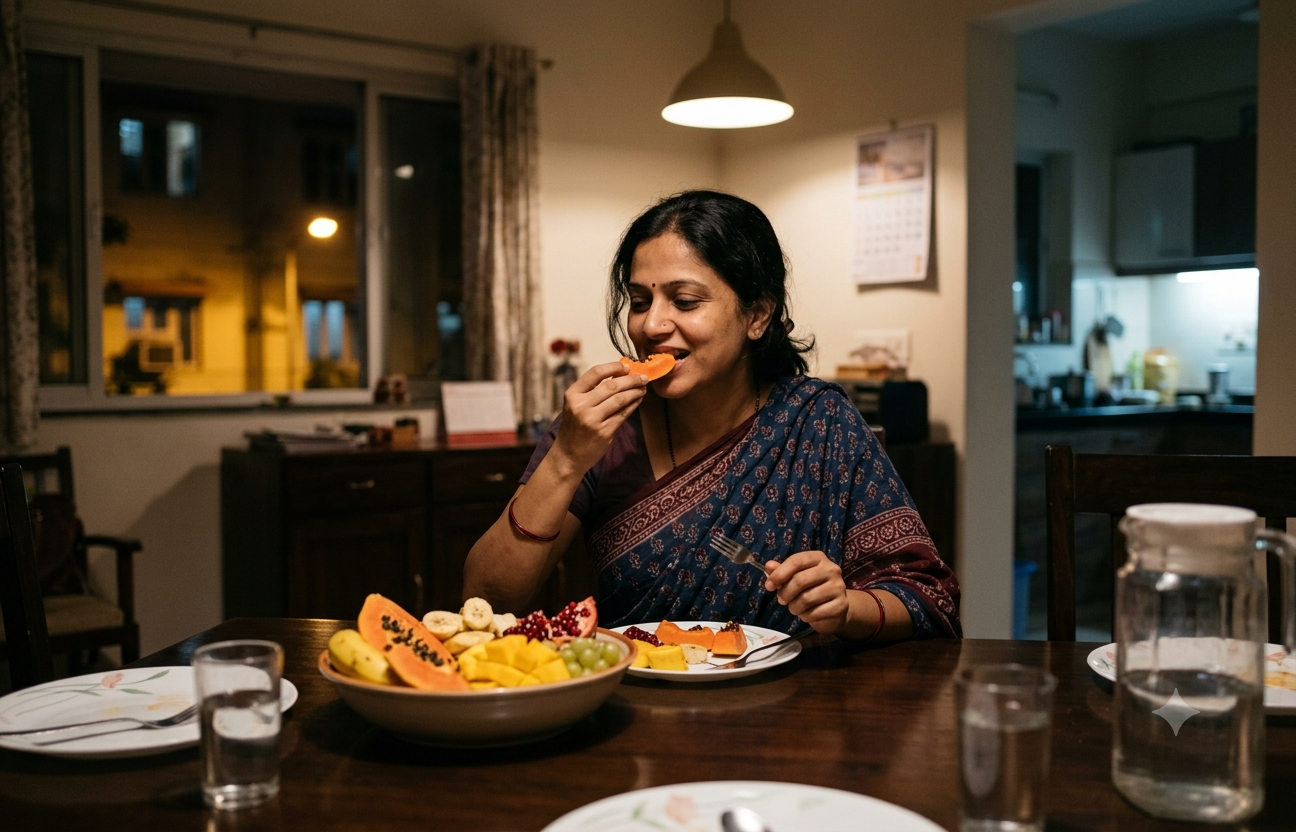
The monsoon season may bring relief from the heat, but it can also be challenging for your digestive system. Changes in temperature, contaminated water, unhygienic food and increased exposure to food-borne infections can trigger diarrhoea, bloating, indigestion and other stomach problems. While there is no need for expensive "gut detox" drinks or restrictive diets, choosing fresh, simple and nutritious foods can help support digestive health during the rainy season. From homemade curd and bananas to moong dal khichdi and fermented foods, some everyday foods can provide probiotics, prebiotic fibre and other nutrients that support a healthier gut environment.
Why Does Gut Health Need Extra Attention During Monsoon?
The rainy season can increase the risk of consuming contaminated food and water. Humidity and warm conditions can also encourage the growth of microorganisms in food that is improperly stored or left uncovered. "It's not monsoon time to 'detox' your gut with colourful street juices. It's the season to keep food fresh, simple and safe," says Dr Mahendra Singh Rajput, Senior Consultant, Digestive Diseases, Gastroenterology and Hepatology, Amrita Hospital, Faridabad. Good hygiene, safe drinking water and freshly prepared food remain the most important ways to protect digestive health.
1. Homemade Curd
Fresh homemade curd can provide probiotics, or beneficial microorganisms, that support the gut microbiome. It may also aid digestion and help maintain a healthy balance of gut bacteria. Dr Rubal Gupta, Additional Director, Gastroenterology, Fortis Escorts Heart Institute, recommends choosing fresh homemade curd whenever possible. Dr Rajput adds that homemade curd can be a useful option during monsoon, provided a person tolerates dairy well. "Homemade curd, if you can tolerate dairy, contains good bacteria and should be eaten fresh," he says.
2. Fermented Foods
Fermented foods such as idli and dosa made from properly fermented batter can contribute beneficial microorganisms to the diet. Fermentation may also make certain foods easier to digest. "Fresh idli is fermented, steamed and usually easier on the stomach than deep-fried breakfast options," says Dr Rajput. However, hygiene remains important. Fermented foods should be prepared and stored properly to avoid contamination.
3. Bananas
A ripe banana is an easy-to-digest fruit and contains fibre, including prebiotic fibre that can help nourish beneficial gut bacteria. Its pectin content may also help regulate bowel movements. "Bananas are particularly helpful if you're recovering from mild stomach upset," says Dr Gupta. Dr Rajput also recommends ripe bananas as one of the simple foods that can be included during the monsoon.
4. Ginger
Ginger has traditionally been used to support digestion and may help with symptoms such as nausea, bloating and indigestion. You can add fresh ginger to meals or have it as ginger tea. However, it should be viewed as a food that may support digestion rather than a treatment for persistent gastrointestinal symptoms.
5. Moong Dal Khichdi
When your stomach feels unsettled, a simple bowl of moong dal khichdi can be easier to tolerate than heavy, oily meals. It provides a combination of carbohydrates, protein and fibre while remaining relatively light and easy to digest. "Moong dal khichdi gives an easy day to the digestive system. It is light, nourishing and much kinder than fried snacks," says Dr Rajput.
6. Well-Cooked Vegetables
Vegetables such as lauki, tori, pumpkin and carrots can provide fibre and other nutrients without the heaviness associated with oily or deep-fried foods. Dr Rajput recommends well-cooked vegetables during the rainy season, particularly for people who find raw or heavily spiced foods difficult to digest. Cooking vegetables thoroughly can also make them easier to tolerate for people experiencing temporary digestive discomfort.
What About Oats And Dalia?
Oats and dalia can also be useful additions to a gut-friendly diet. Both provide dietary fibre, which supports regular bowel movements and can contribute to a healthier gut environment. They can be prepared simply with vegetables or other nutritious ingredients rather than being loaded with sugar, butter or excessive salt.
Why Is Fibre Important For Gut Health?
Dietary fibre plays an important role in maintaining digestive health. Certain types of fibre are fermented by gut bacteria and can help support beneficial microorganisms. Fibre-rich foods such as bananas, oats, dalia, vegetables, fruits and legumes can therefore be part of a balanced diet that supports the gut microbiome. However, suddenly increasing fibre intake substantially can cause bloating in some people. It is better to increase fibre gradually and drink enough water.
Monsoon Gut Health: Hygiene Matters More Than Any 'Superfood'
While certain foods can support gut health, experts emphasise that food safety is particularly important during monsoon. "Even 'healthy' food can be dangerous if it's contaminated," says Dr Rajput. Simple precautions include:
- Drink purified, filtered or boiled water.
- Eat freshly cooked food whenever possible.
- Avoid food that has been sitting out for long periods.
- Wash fruits and vegetables thoroughly before eating or cooking.
- Avoid pre-cut fruits from unreliable sources.
- Be cautious with uncovered chutneys and roadside food.
- Limit deep-fried and excessively spicy foods if you have a sensitive stomach.
- Stay adequately hydrated even when the weather is cooler.
Should You Avoid Street Food During Monsoon?
People with sensitive digestion may benefit from limiting roadside food during the rainy season, particularly foods that are exposed to the environment or prepared using questionable water. Street-side juices, pre-cut fruits, uncovered chutneys and foods that have been sitting out can carry a higher risk of contamination if hygiene standards are poor. Rather than relying on "detox" drinks, prioritise food that is fresh, properly cooked and safely stored.
When Should You See A Doctor?
Not every episode of diarrhoea or indigestion requires medical attention, but persistent or severe symptoms should not be ignored. "Never self-treat persistent diarrhoea, vomiting, fever, blood in stools or severe abdominal pain," Dr Rajput cautions. Medical evaluation is particularly important if symptoms are severe, persistent, associated with dehydration, or occur in young children, older adults or people with underlying medical conditions. Your gut does not need an expensive cleanse to stay healthy during monsoon. Fresh homemade curd, fermented foods, ripe bananas, ginger, moong dal khichdi, oats, dalia and well-cooked vegetables can all be incorporated into a balanced diet to support digestion and a healthy gut environment.
But the biggest monsoon health habit is not a particular food, it is hygiene. Safe drinking water, proper food storage, thorough washing and freshly cooked meals can go a long way towards preventing digestive infections. As Dr Rajput puts it, the gut needs "clean food, sensible portions and less experimentation on the roadside."