

)
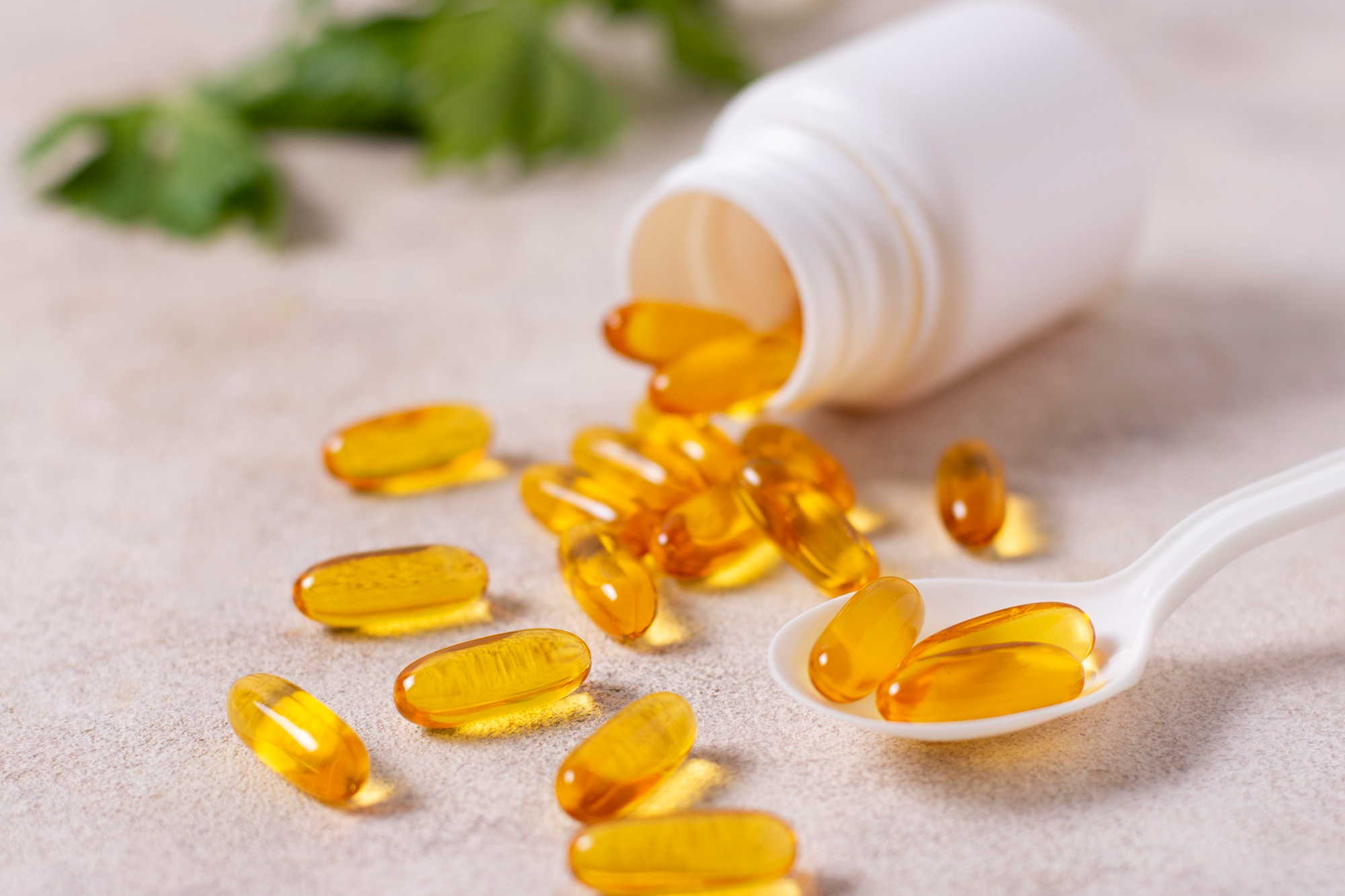
In recent years, fish oil has become a staple in wellness cabinets. People swallow these golden capsules with the blind belief that they are shielding their hearts and warding off inflammation. But a startling new study performed on mice from Michigan Medicine and MD Anderson Cancer Center, published in the Cellular and Molecular Gastroenterology and Hepatology journal, suggests the science has been oversimplified. It turns out, for a significant number of people, daily supplements might not just be expelled by their body, and they could actually be doing more harm than good.
The research highlights a critical biological gatekeeper, an enzyme called ALOX15. Without it, the very fatty acids meant to protect the human body can become fuel for the things that are feared most, specifically colorectal tumour growth. 'Colorectal tumour' is a term used to refer to abnormal cells in the colon and rectum region that can multiply uncontrollably, forming a lump or tumour. Colon cancer can occur as a result which is a type of cancer needs to be understood, as it is affecting the younger generation of India and is often diagnosed at a later stage, where recovery becomes complicated. Colorectal cancer is the fourth most common cancer in India, with over 64,000 new cases and 38,000 deaths reported in 2022. That is why what supplements you are taking on a daily basis matter.
It's a classic case of personalised medicine meeting mass-market marketing, and the gap between the two is where the actual health may be falling through. Here is why your fish oil might be failing you and the red flags you need to watch out for.
5 Reasons Your Fish Oil Supplement Might Not Be Working
1. The Missing Biological Key
The biggest takeaway from the latest research is that fish oil doesn't work in a vacuum; it requires a specific enzyme called ALOX15 to convert the essential fatty acids like eicosapentaenoic acid (EPA) and docosahexaenoic acid (DHA) into resolvins, the molecules that actually fight inflammation. Many people, especially those already battling chronic inflammation or early-stage cancer, have the ALOX15 gene switched off. The main risk with this enzyme has been highlighted in the study, which found that fish oil, particularly DHA, can actually accelerate tumour growth in mice. And if your body can't process the oil, you're essentially worsening your body's ability to fight the growth of cancer cells.
2. Not All Oils Are Created Equal
If you look at the Omega-3 label of your supplement bottle, and assume the contents are universal. However, the study revealed that the chemical form of the supplement (ethyl esters or free fatty acids) can drastically change the outcome. Interestingly, EPA-only supplements showed a better ability to reduce tumour size even when enzyme levels were low, whereas DHA variants were largely ineffective or harmful without ALOX15. The main distinguishing factor is that many over-the-counter supplements use synthetic ethyl ester forms, which are harder for the body to absorb compared to the triglyceride forms found in actual fish.
Also Read: Daily Fish Oil Supplement Reduces Serious Cardiovascular Risks In Dialysis Patients, Finds Study
3. Effect In High-Risk Groups
For years, everyone has assumed that consuming fish oil is great for "prevention". But for those with existing colon polyps or a family history of colorectal issues, the advice is shifting. While fish oil is anti-inflammatory, in a body that is already highly inflamed, the metabolic pathways can get hijacked, leading to unexpected pro-tumour effects.
The timing is as important as the actual ingredients in the supplement. And taking these supplements during certain stages of cellular mutation might provide the extra lipids that cancer cells need to build their membranes and multiply.
Fish oil supplement
Photo Credit: Freepik
4. Poor Quality And Rancidity
Because fish oil is an unstable polyunsaturated fat, it is incredibly prone to oxidation. A fishy burp isn't just a nuisance; it's often a sign of a supplement gone bad. The main issue lies in consuming rancid oil; you are ingesting free radicals. So, instead of reducing oxidative stress, you are adding to it, which can damage DNA and promote cellular ageing. Another reason to consider is that high temperatures in warehouses or sitting on a bright retail shelf can turn a healthy product into a pro-inflammatory one before you even open the bottle.
Also Read: Should You Take Fish Oil Supplements For Heart, Joints Or Mood?
5. Lack Of Genetic Testing
In an era where everything is tracked from the steps taken to sleep, yet supplementation is done blindly. The Michigan study suggests that blanket recommendations for fish oil are outdated. In the future, doctors may need to test for ALOX15 activity before prescribing high-dose omega-3s. For many, eating the fish itself, where the oils are bound to proteins and antioxidants, remains safer and more effective than a processed pill because the food matrix helps the body manage the metabolism of these fats more naturally.
But don't panic and toss your supplements just yet, but do stop and think about the 'more is better' approach. If you have a history of gut issues or are concerned about cancer risk, talk to your doctor about whether your current fish oil regimen is actually serving your DNA or working against it.
Disclaimer: This content, including advice, provides generic information only. It is in no way a substitute for a qualified medical opinion. Always consult a specialist or your own doctor for more information. NDTV does not claim responsibility for this information.