



- Chia seeds contain more ALA omega-3 than flaxseeds and don't require grinding
- Walnuts are the richest omega-3 nuts, offering about 2.5g ALA per 1-ounce serving
- Soybeans provide omega-6 fatty acids along with protein, fibre, and essential vitamins
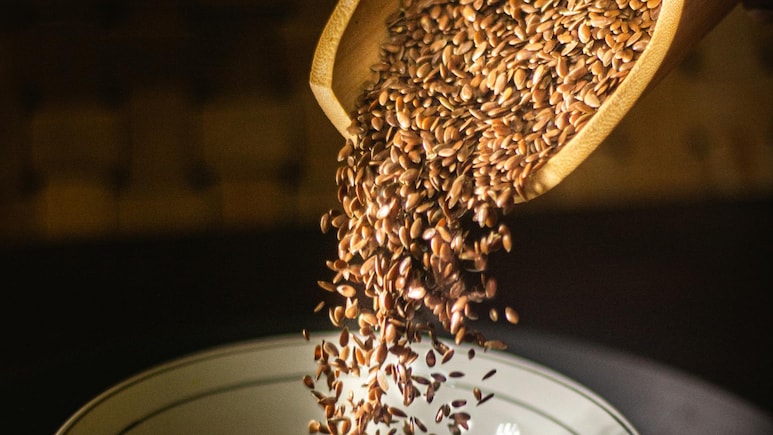
Flaxseeds are recognised as a plant-based omega-3 powerhouse. And rightly so. They are rich in ALA, short for alpha-linolenic acid, a type of omega-3 fatty acid which is linked to good heart and brain health. But here is something many people do not realise. There are foods that contain even more omega-3s than flaxseeds, especially when it comes to the more potent forms known as EPA and DHA, which the body uses more efficiently. If you are looking to boost your omega-3 intake, here are five foods that can outshine flaxseeds. Here are 5 foods you can consume to meet your omega-3 fatty acid demands.
5 Foods With More Omega-3s Than Flaxseeds
1. Chia Seeds
Chia seeds are tiny but nutritionally dense. Gram for gram, they contain slightly more ALA than flaxseeds. According to journal Nutrients, about 60% of the fats in chia seeds consist of the omega-3 alpha-linolenic acid (ALA). Two tablespoons of chia seeds provide a substantial dose of omega-3s, along with fibre, protein and antioxidants. Unlike flaxseeds, chia seeds do not need to be ground to improve absorption, which makes them easier to use. You can add them to your smoothies, or even make chia pudding as a healthy snack.
Also read: 5 Reasons Your Fish Oil Supplement Might Not Be Working And When It Could Be Harmful
2. Walnuts
Walnuts are one of the richest omega-3 nuts available. A small handful delivers a solid amount of ALA along with healthy fats, protein and polyphenols. As per US Department of Food and Agriculture, walnut stand out as the richest source of omega-3 fatty acids among all nuts, delivering about 2.5 grams per 1-ounce serving.They are especially beneficial for heart health. Regular walnut consumption has been linked to improved cholesterol levels and reduced inflammation. Sprinkle them over salads, mix them into oatmeal or eat them as a mid-afternoon snack.
3. Soyabean
Soybeans are dense in nutrient; they are rich in fibre and plant-based protein. They also provide essential vitamins and minerals such as riboflavin, folate, vitamin K, magnesium, and potassium. In addition, soybeans contain a high amount of omega-6 fatty acids. While earlier studies suggested that excessive omega-6 intake might contribute to inflammation, recent research indicates the relationship is more nuanced and may depend on overall dietary balance and context.
4. Salmon
Salmon is another omega-3 champion. It delivers high amounts of EPA and DHA along with high-quality protein and vitamin D. Compared to flaxseeds, salmon offers omega-3s in a form the body can immediately use without needing conversion. Grilled, baked or lightly pan-seared salmon can be a powerful addition to a balanced diet focused on heart and metabolic health.
5. Sardines
Small but mighty, sardines pack an impressive omega-3 punch. They are also rich in calcium, vitamin B12 and selenium. Because sardines are eaten whole, including bones, they provide additional nutrients that support bone health. They are affordable, widely available and require minimal preparation. Add them to toast, salads or pasta dishes for a nutrient boost.
Also read: Why You Should Consider Taking Omega-3 Supplements
Why the Type of Omega-3 Matters
Flaxseeds mainly provide ALA. While ALA is beneficial, the body must convert it into EPA and DHA. This conversion process is limited and inefficient in many people. Fish and seafood provide EPA and DHA directly, making them more potent sources for cardiovascular and cognitive benefits. If you follow a vegetarian or vegan diet, flaxseeds and chia seeds are excellent options. However, you may need consistent intake to meet your needs.
While flaxseeds are certainly nutritious, they are not the only omega-3 superstars in your pantry. Chia seeds and walnuts can match them in terms of plant-sourced ALA, while fatty fish such as salmon, and sardines contain more potent forms of omega-3. To reap the best health benefits, it is essential to have diversity in your diet. By incorporating both plant and sea-sourced omega-3s, you can be sure that your body is getting the best benefits from these nutrients. Sometimes, it is the smallest change that can make the biggest difference in your health.
Disclaimer: This content including advice provides generic information only. It is in no way a substitute for a qualified medical opinion. Always consult a specialist or your own doctor for more information. NDTV does not claim responsibility for this information.
Track Latest News Live on NDTV.com and get news updates from India and around the world

