

)
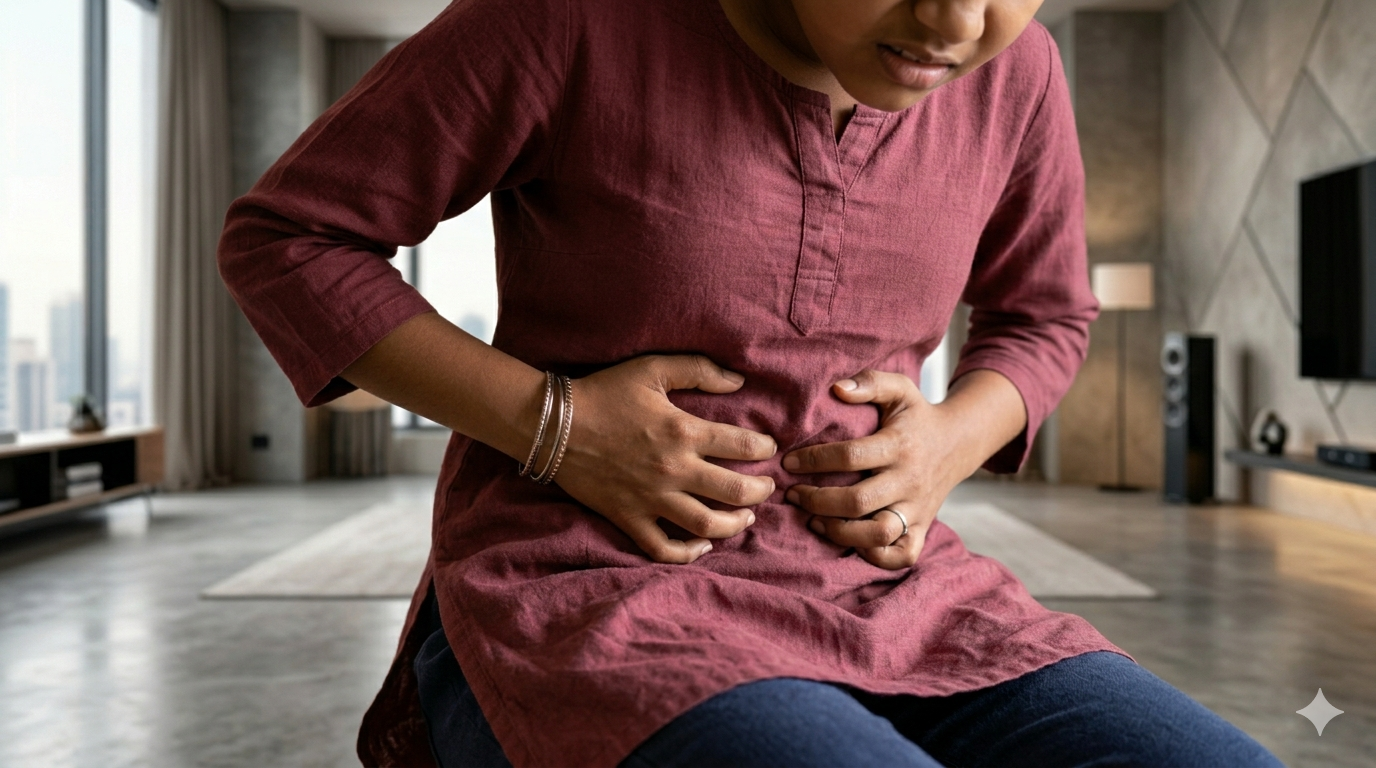
The recent diagnosis of a 10-year-old girl in Delhi NCR with chronic pancreatitis (CP) has sent shockwaves through the Indian medical community. Historically, CP was viewed as a "lifestyle disease" of the middle-aged, primarily the result of decades of alcohol consumption or heavy smoking. However, this case from the Fortis Memorial Research Institute serves as a grim milestone in India's shifting epidemiological landscape. When Dr Amit Javed's team intervened, the damage was already profound: the child's pancreas had undergone irreversible scarring, leading to the early onset of Fibro-Calculous Pancreatic Diabetes (FCPD). What's worse, doctors report that this is not an isolated case any more.
The surge in paediatric chronic pancreatitis cases is part of a broader, more troubling trend. According to data from the Indian Pancreas Club, there is an increasing incidence of "Tropical Calcific Pancreatitis", a unique form of the disease found predominantly in developing nations. Unlike adult CP, paediatric pancreatitis in India is often aggressive, progressing silently until the organ's endocrine and exocrine functions are crippled. This medical emergency highlights a critical failure in early detection; when a child complains of "stomach aches", the default assumption is often worms, indigestion, or "school-related stress". By the time the true culprit, the pancreas, is identified, the window for non-surgical intervention has often closed, leaving a lifetime of insulin dependence and digestive enzyme replacement in its wake.
The Hidden Crisis: Why Paediatric Pancreatitis Is Rising In India
While adult chronic pancreatitis is frequently linked to alcohol and tobacco, the paediatric variant in India is vastly different and significantly more complex.
1. The Genetic Blueprint
In India, there is a high prevalence of tropical calcific pancreatitis (TCP). Research published in the International Journal of Contemporary Paediatrics (2023) indicates that Indian children are uniquely susceptible to specific genetic mutations.
Unlike the Western world, where cystic fibrosis genes (CFTR) are common, Indian paediatric patients frequently carry mutations in the SPINK1 (Serine Protease Inhibitor Kazal-type 1) and PRSS1 genes.
These mutations act as a "genetic time bomb". The SPINK1 gene is supposed to act as a safety valve, neutralising digestive enzymes that accidentally activate inside the pancreas. When it malfunctions, these enzymes begin a process of autodigestion, literally eating the organ from the inside out. This leads to the rapid formation of pancreatic calculi (stones) and severe scarring.
2. The Gut-Pancreas Axis
The emerging field of the "gut-pancreas axis" is shedding light on how our environment influences these genetic predispositions. Chronic inflammation is often worsened by intestinal dysbiosis, an imbalance in gut bacteria. In many Indian urban settings, poor water quality and the overuse of antibiotics can compromise the gut barrier. This allows harmful microbes to migrate to the pancreas (bacterial translocation), fuelling the inflammatory fire and accelerating the transition from occasional "attacks" to permanent chronic damage.
Also Read: The Indian Gut vs The World: 5 Things You Didn't Know About Your Microbiome
Protecting Your Child: A Two-Pronged Strategy
To prevent more cases like the one in Delhi, the medical paradigm must shift from reactive treatment (surgery) to proactive screening.
Step 1: Normalising Genetic Screening
People must move away from the stigma of genetic testing and embrace next-generation sequencing (NGS) for high-risk families.
- Prenatal Screening: For families with a history of early-onset diabetes or recurring abdominal issues, identifying genetic vulnerabilities early allows for "metabolic mapping" from birth.
- Post-Birth Testing: If a child suffers from even two episodes of unexplained acute pancreatitis, testing for SPINK1, PRSS1, and CFTR mutations should be mandatory. Early identification allows doctors to implement low-fat diets and antioxidant therapies that can slow the disease's progression by years.
Step 2: Recognising The "Red Flags"
Parents are the first line of defence. You must look beyond the standard "indigestion" diagnosis if the following symptoms persist:
- Recurrent Abdominal Pain: Specifically, pain that radiates to the back or intensifies after eating oily or heavy meals.
- Failure to Thrive: If a child is losing weight or failing to grow despite a normal diet, it may be because their pancreas isn't producing the enzymes needed to absorb nutrients.
- Steatorrhea (Oily Stools): Stools that appear greasy, are difficult to flush, or have a particularly foul odour are a hallmark sign of pancreatic insufficiency.
- Early Signs of Diabetes: Increased thirst (polydipsia) and frequent urination (polyuria) in a child are not just "growth phases" they are often the first signs that the pancreas's insulin-producing cells are being destroyed.
Also Read: This Is Exactly Why You Must Combat Insulin Resistance Immediately
The Path Forward: From Scalpel to Screening
The successful laparoscopic lateral pancreaticojejunostomy performed on the 10-year-old girl in Delhi was a surgical triumph, but in many ways, it was also a tragedy. It represents a point where medicine could no longer save the organ, only bypass the damage.
The goal of modern paediatrics must be to ensure children never reach the surgical table. This requires:
- Paediatric-Specific Protocols: Recognising that children are not "small adults" and their pancreatitis requires different diagnostic thresholds.
- Nutritional Education: Moving away from highly processed, "pro-inflammatory" diets that stress a vulnerable pancreas.
- Aggressive Awareness: Training primary care paediatricians to refer "chronic tummy ache" cases to gastroenterologists earlier.
Your child's "stomach ache" might be a whisper from an organ in distress. In a country where genetic and environmental factors create a perfect storm for pancreatic disease, it is time people start listening. Protecting the next generation requires people's advice, to respect the complexity of their biology and act long before the first stone forms.
Disclaimer: This content, including advice, provides generic information only. It is in no way a substitute for a qualified medical opinion. Always consult a specialist or your own doctor for more information. NDTV does not claim responsibility for this information.