





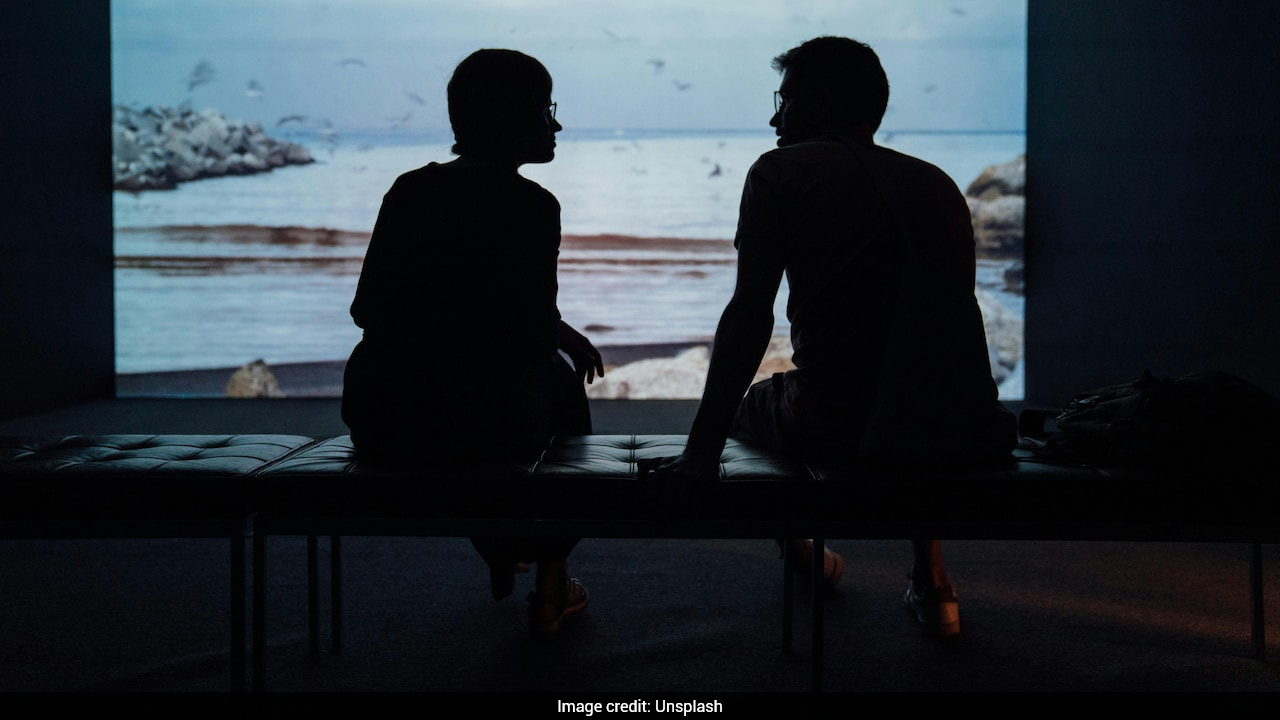
It turns out we are speaking noticeably less than we used to. As per the researchers who track daily human speech patterns, the average person's daily spoken word count dropped by about 338 words every single year between 2005 and 2019. Over 15 years, that adds up to a massive 28% drop in overall verbal communication. What does that actually look like in real life? It is not that we suddenly stopped having deep conversations. Instead, we are quietly dropping all the small interactions that used to fill a normal day.
While smartphones and social media get most of the blame, and they certainly play a big role, the bigger issue is how much of our physical environment has been automated.
-

-
 "High Inflation Is Like Tax On Everyone": RBI Governor At NDTV World Summit
 -
 AI Agents To Outnumber Humans Soon? What Futurist Mike Walsh Told NDTV
 -
 This Delhi Boy Has 3 Michelin Stars. His Heart Still Goes To Rajindar Da Dhaba
 -
 Ashwini Vaishnaw Explains Semiconductor Complexity: 'Everything On This Tiny Nail'
 -
 Indian-Branded Mobile Phones By October 23, 2028, Says Ashwini Vaishnaw
 -
 AI Law In India Soon? What Ashwini Vaishnaw Said At NDTV World Summit
 -
 'Need To Look At Next 10 Years': Bondada Chairperson To NDTV On Solar Energy
 -
 World's 1st AI Actor Tilly Norwood Was Asked If She Knew Hindi. A Conversation Followed
 -
 AI Law In India Soon? What Ashwini Vaishnaw Said At NDTV World Summit
 -
 Iran's Supreme Leader's Representative Says India Can Play 'Big Role' In Middle East Peace
Also read | In A Historic First, Elderly Population Outnumbers Young Children Worldwide
Although the decline touches every demographic, it hits younger generations the hardest. Younger adults, who grew up with screen-first communication, are shifting away from spoken words at a much faster rate. But because older adults are talking less too, scientists emphasise that this is a broad societal shift, not just a youth phase.
The trend was recognised when a group of scientists tried to replicate an old paper on how much men and women talk. The latest findings were published in the journal Perspectives on Psychological Science.
"We were replicating an earlier paper on gender differences in how many words men and women speak per day. My collaborator, Valeria Pfeifer, came to me with the word counts from the replication analyses using the same methodology as our 2007 paper, but with 2,200 new participants across 22 studies," Matthias Mehl, a psychology professor at the University of Arizona, said, as quoted by Earth.com.
Photo Credit: Unsplash
Also read | "Now Is The Time": Japanese Woman Welcomes 7th Child To Help Boost Birth Rates, Goes Viral
"Our estimate of daily spoken word average came in at around 12,700 words. Our 2007 estimate had been 15,900. I told her there had to be a mistake. But she rechecked everything, and the number held. Something had genuinely changed."
The researchers used word counts from 22 different studies, which were conducted between 2005 and 2019. The studies involved around 2,200 people. While analysing the data, they found a huge gap of several thousand words per day.
To understand it better, think about how much ground you used to cover verbally just running errands, such as asking a store clerk where to find an item on a shelf, having a quick exchange with a cashier at checkout, and asking a stranger for directions or chatting with a neighbour in the hallway.
Nowadays, self-checkout kiosks, mobile ordering apps, GPS, and text messaging have quietly erased those micro-conversations.
"When we plotted the daily spoken word counts against the year each study was collected, we found a consistent linear decline," Mehl said as quoted. "Every year, the estimate of daily spoken words dropped by 338. That is how you get from around 16,000 in 2005 to around 12,700 by 2019. Speaking 338 fewer words every day adds up to more than 120,000 fewer words per year."
The studies that were analysed were about all kinds of topics, such as health, relationships, coping, and meditation. "These studies were conducted for entirely different purposes - coping with breast cancer, adjustment after divorce, the social effects of meditation, relationship dynamics. None of them was designed to track how much people talk over time," Mehl said.
"Participants had no idea their word counts would ever be analysed this way, which rules out any concern that people adjusted their behaviour to fit a hypothesis."
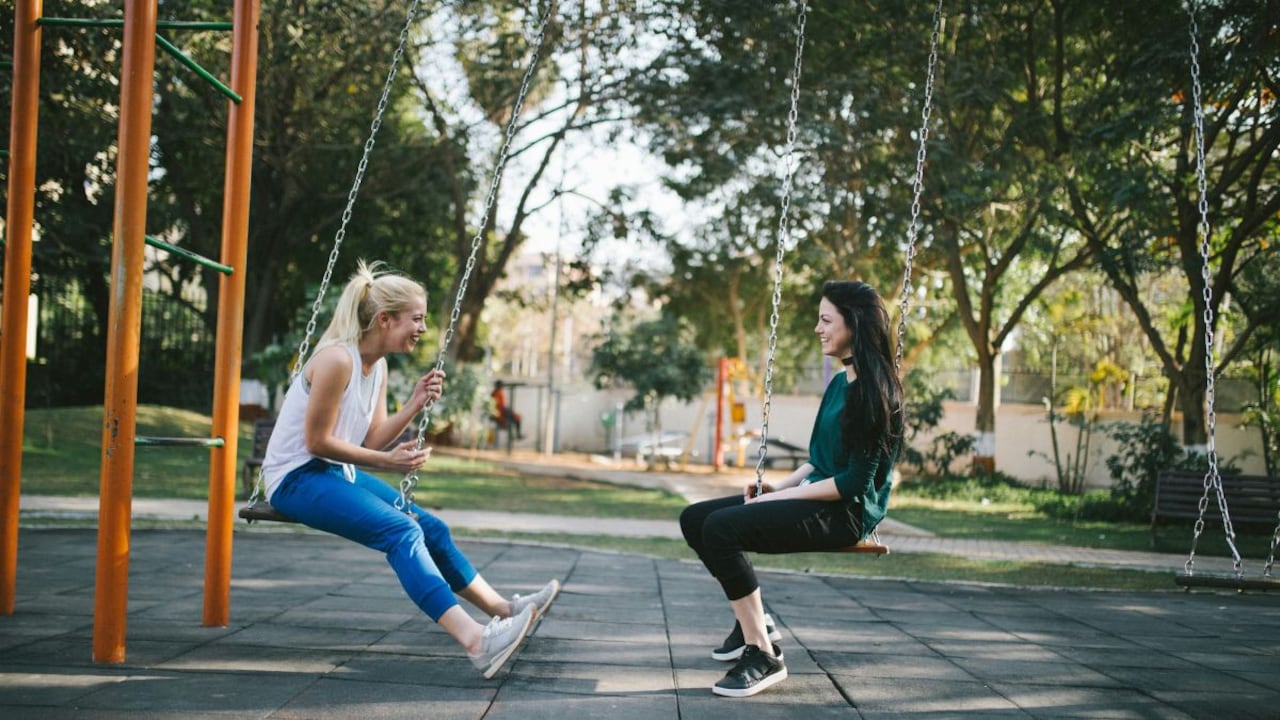
Photo Credit: Unsplash
Why texting isn't a direct swap
People may type as many words into phones and keyboards as they used to say out loud. But psychologists argue that text cannot fully replace voice.
Spoken conversation carries emotional warmth, tone, laughter, subtle pauses, and real-time connection. Losing those casual, spontaneous moments chips away at the "social glue" that makes people feel connected to their communities.
Health experts warn that as daily spoken contact shrinks, it subtly fuels the growing global problem of social isolation and loneliness.
Track Latest News Live on NDTV.com and get news updates from India and around the world

