





- Heavy police aided DDA and MCD in demolishing 32 Yamuna Bazar ghats on Thursday
- 310 families were served eviction notices since May for illegal floodplain settlements
- Residents lost homes, belongings, and access to water and electricity amid demolition
Armed with heavy police deployment, the Delhi Development Authority (DDA) and the Municipal Corporation of Delhi (MCD) executed a sweeping demolition drive across 32 ghats in the Yamuna Bazar area on Thursday morning. The action followed multiple eviction notices served to 310 local families since May 7.
The Delhi Development Authority (DDA) carried out a demolition drive in Delhi's Yamuna Bazar area, targeting settlements between Ghat No. 2 and 32 on the Yamuna floodplain. The action followed notices issued to residents asking them to vacate the area.
Fresh notices served on June 23 warned that the settlements were "illegal encroachments" and that failure to vacate voluntarily would lead to their removal.
Authorities identified the stretch as part of the Yamuna's O-Zone, a protected no-construction floodplain under DDA's jurisdiction, citing recurring flood risk as the primary reason for eviction.
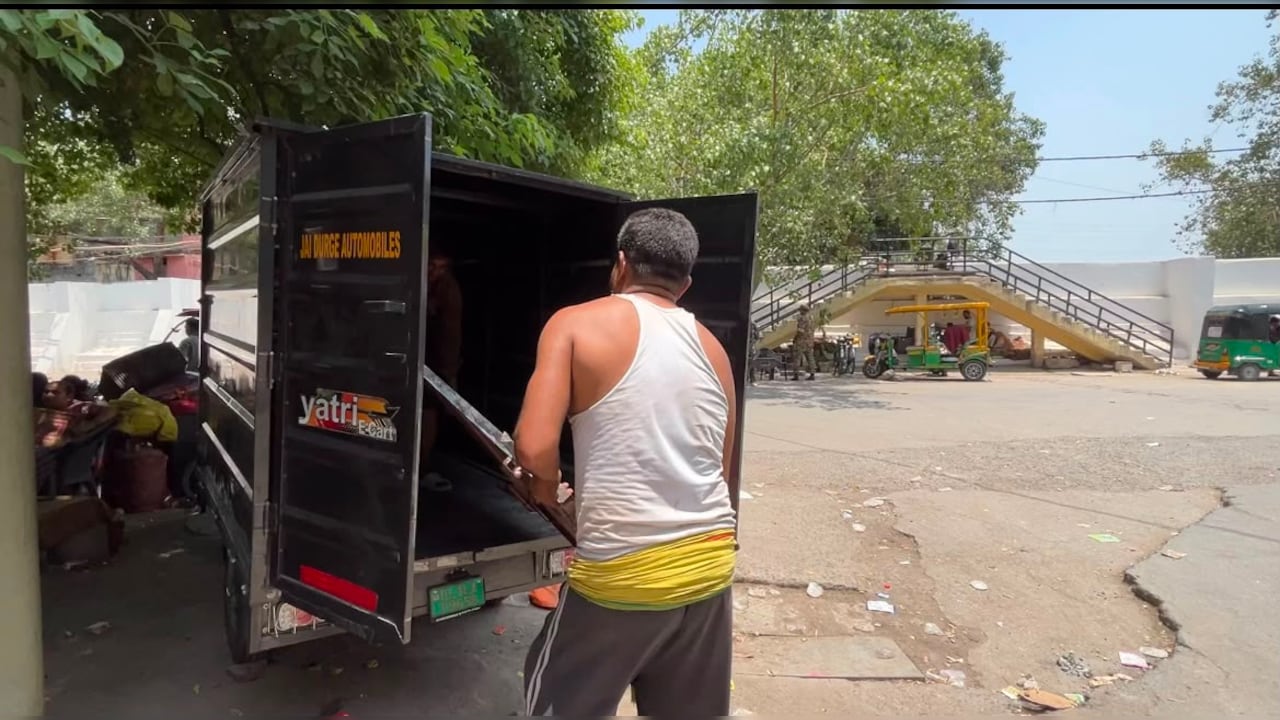
While a portion of the residents had already relocated their belongings to nearby rented accommodations, many stayed behind hoping for relief. Residents moved their belongings especially doors and windows out of their houses to safety as earthmovers began dismantling the structures on the ghat.
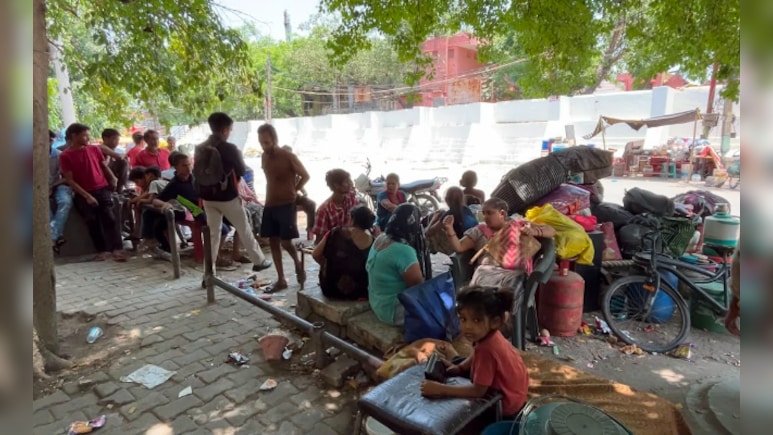
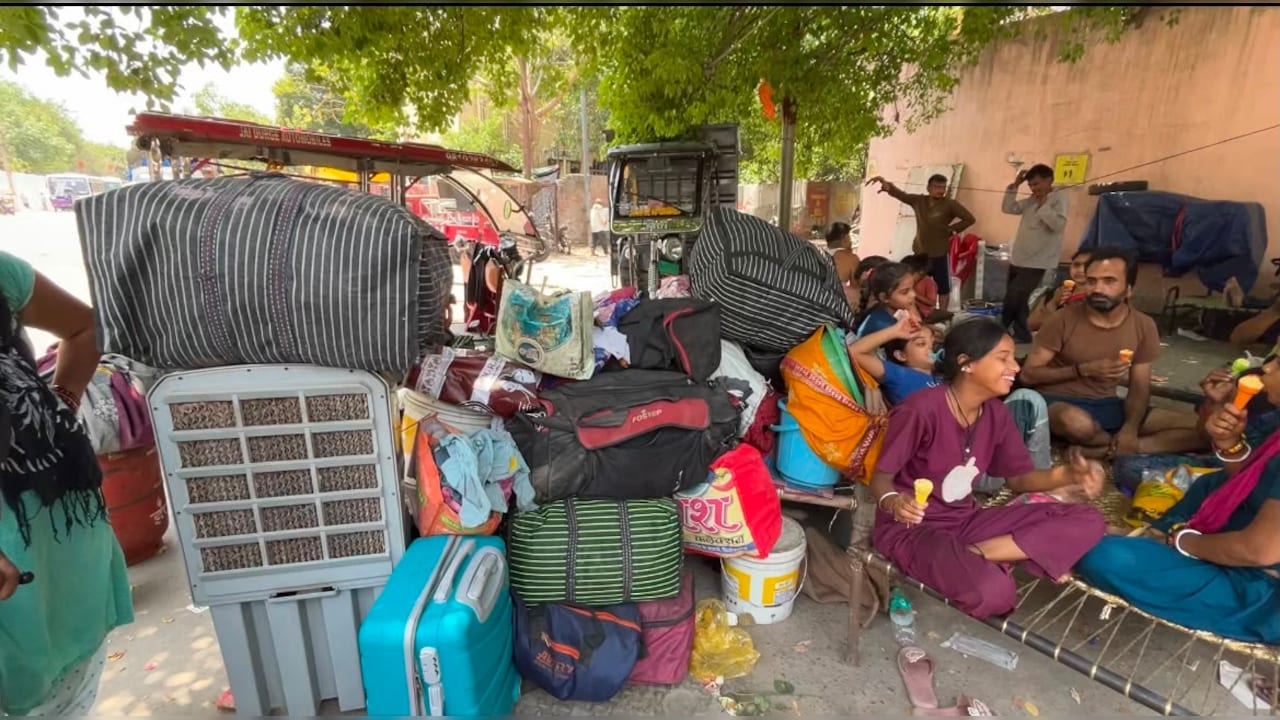
A day after the demolition drive, the ghats now stand cordoned off with no scope of entry. Some residents have now moved into other accommodations. Right near the steps of the ghat, families who have lost their homes sit with a lifetime's worth of belongings. The sea of residents sitting in the scorching heat is hard to miss even from a mile away. Upon going closer, one notices the buffet of items clubbed and kept together as if gathered in a hurry.
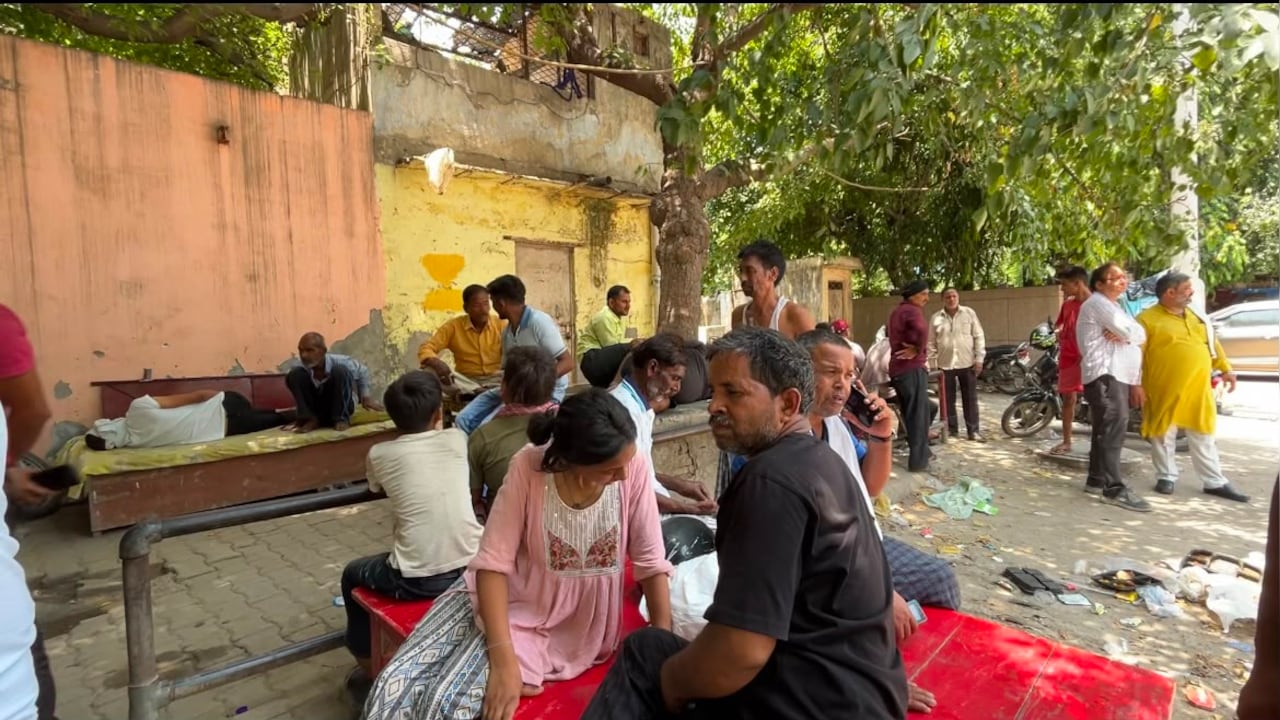
Amidst the sea of people sits a young 16-year-old girl called Kavita Kumari, who followed reporters around and readily briefed them on what they were seeing. Currently enrolled in Class 10 in a government school, she said that her future hangs in the balance as her only home now stands demolished.
"I was born here in Yamuna Bazaar in 2011. My parents were also married here. I will have to appear for class 10 papers soon. You tell me where I go, how do I study?", she said.
Sorting out the last of what she has left, Kavita continued, "We did not even have the chance to sort out our belongings, many of which are still locked away in our houses that have now turned into rubble."
As she tells media personnel her ordeal, numerous women sitting right next to her jump in and give their two cents. Kavita's paternal aunt, Rajkumari Yadav, also a resident of Yamuna Ghat, said, "For years, the Yamuna has nurtured us, now we have to part ways with it. We do not know how we will eat and live."
Rajkumari, who worked as a flower vendor on the banks of the river, expressed anxiety over her livelihood and wondered if she would ever be able to return to the job that fed her family for years.
"We lived there and sold flowers to devotees daily. We earned our bread and butter from here. What will I do now? Where will I work? I am not qualified for any other job as such," Rajkumari said.
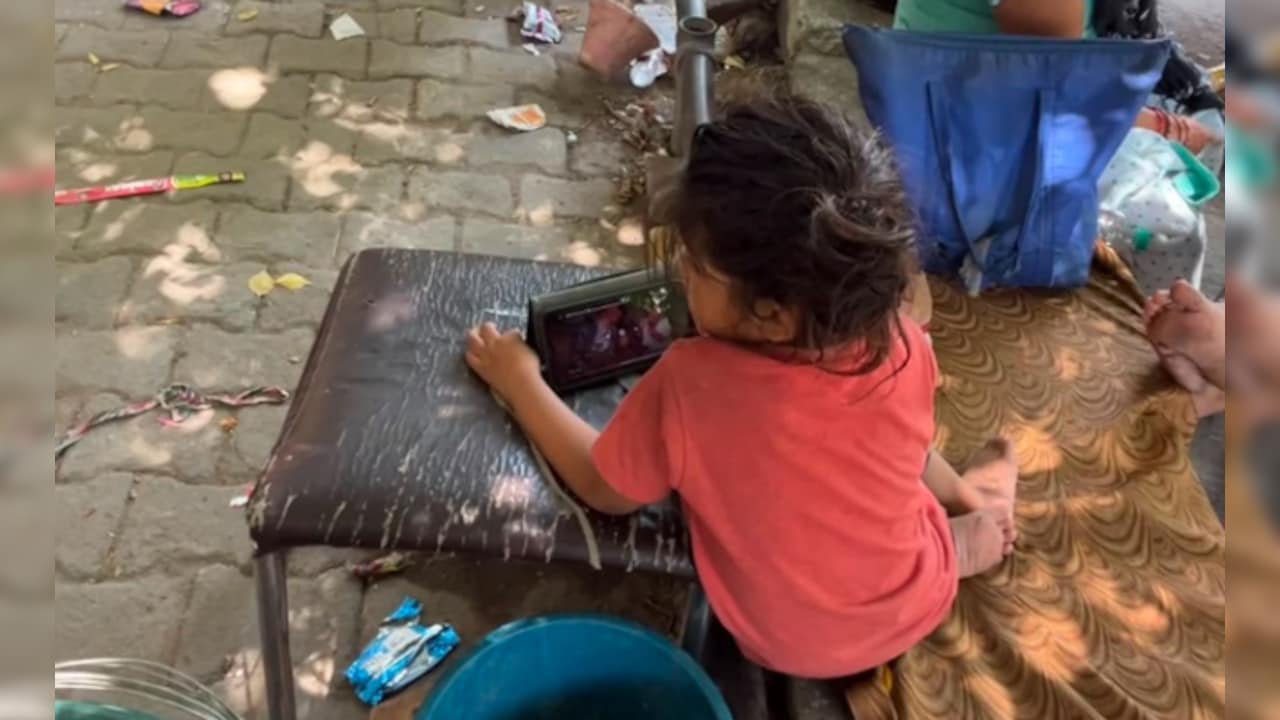
As Kavita and Rajkumari narrate their anxieties, a young girl plays on her parents' phone nearby. Oblivious to what has happened around her, the video that she watches on her parents' phone is all that breaks the silence in a tense environment.
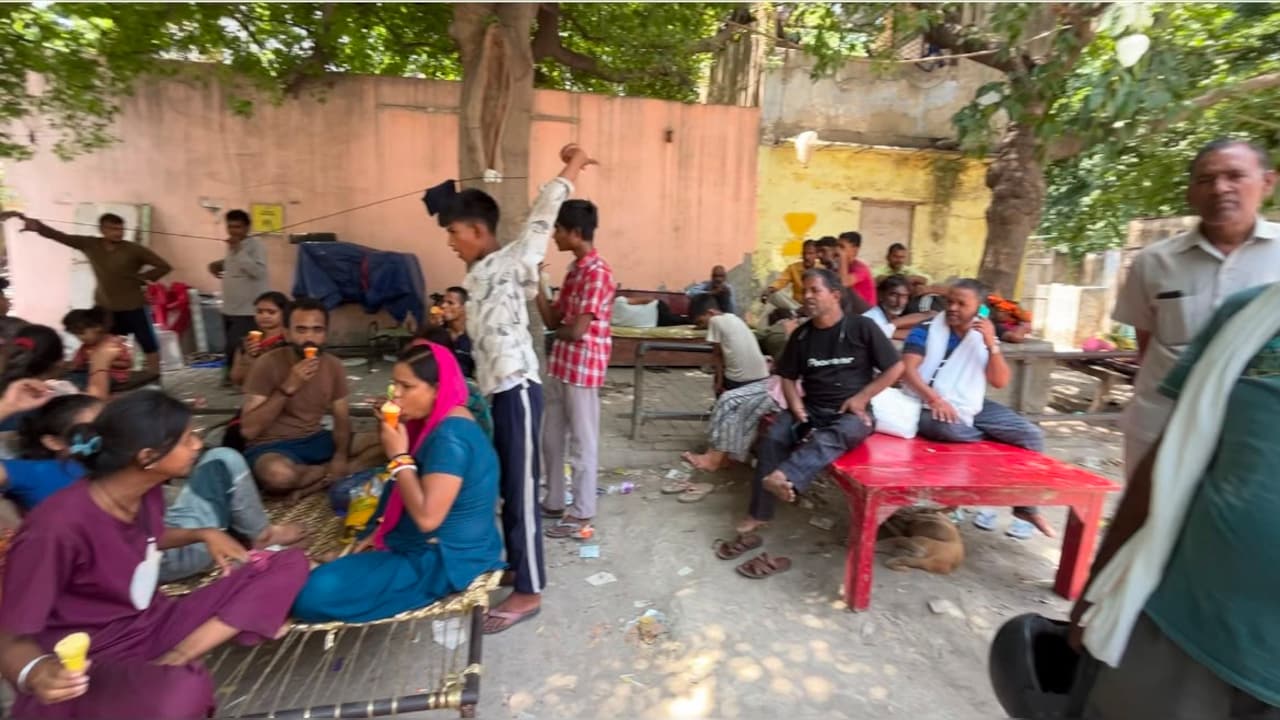
Her father, Ashish Upadhaya, a labourer who works in Chandni Chowk, questioned why the government allowed the residents to settle there in the first place if it was incorrect. "How did the government wake up after so many years, after so many houses were built? If this was illegal, then how come all official documentation has been issued to us at this address? We have electricity coming in, and water pipelines from all official departments. How will this work out?"
The dejected father now goes on to speak breathlessly. "We cannot afford expensive accommodations. Rooms priced at Rs 7,000-Rs8,000 are beyond our budget. We spent years nurturing this house."
Upon being asked if he would take shelter in any government-mandated place, he quickly intervened. "The government suggested we move into Rain Baseras, but those shelters see all kinds of people coming in. From drug addicts to alcoholics, how can I as a father of young children move in there?"
Upadhaya also said that the distance to his workplace will increase if he moves anywhere else. From his children's school to his workplace, he believes that with the house being gone, the family's problems will only mount.
Many residents in the area even argue that they were served multiple notices, but the last notice issued to them said that they had to vacate by July 4, yet the demolition took place a couple of days prior to that.
Jyoti Yadav, a resident of the area, said that she finds it hard to use the washroom. Regarding the loss of electricity and water, she added, "We have not gone to the washroom since the demolition began. The nearby government toilet is free for women and charges Rs 5 for men, but it is always overcrowded."
Neetu Kumari, who has been staying there for the past 20 years, said, "We don't even have a place to sleep, so how will we cook and eat? We are surviving on packaged food items and bottled water, which is burning a hole in our pockets." She argued that the government should have helped the families with alternative provisions before the demolition took place.
Kumari said, "You can see our children roaming around in the heat. You have cut the electricity and water since yesterday. There is no provision of water and light. How do we make provisions? We are labourers that get paid at the end of every month. How do we make arrangements when our pockets are depleted, and our salaries are not in?"
Having packed their entire lives into suitcases, the evicted residents sit, waiting for a ray of sunshine to fall to help them through. The families say they have been surviving on packaged food items, mostly fast food, and are bathing in public toilets.
As they look to find a new place, they look back at the ghat that fed and fostered them with the hope that they do not have to part ways with another home, again.
Track Latest News Live on NDTV.com and get news updates from India and around the world

