





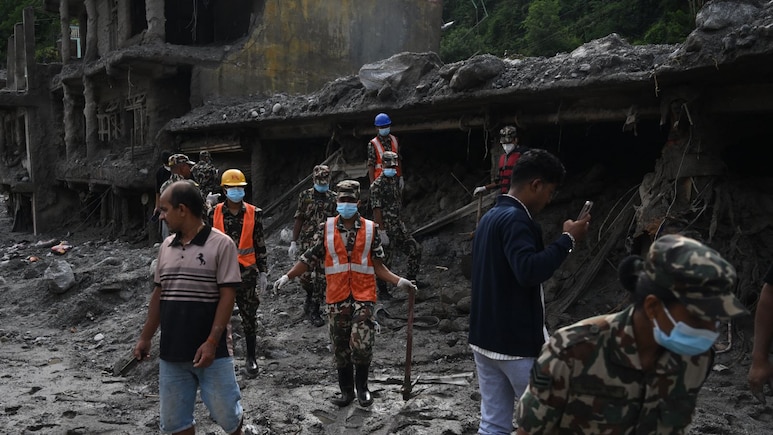
Nepal Floods: Imagine waking up to find that the house you spent years building is simply gone.
Not damaged. Not cracked. Gone.
That is the brutal reality facing families caught in the catastrophic flash floods in Nepal. The disaster has killed hundreds and left thousands missing. But once the rescue teams leave and the waters recede, another difficult question will confront survivors: Who pays to rebuild a home that the flood has swept away?
The answer may lie in insurance. But there is a big catch.
A Washed-Away House Can Be An Insurance Claim
According to Chetan Vasudeva, Senior Vice President - Business Development at Elephant.in, Alliance Insurance Brokers, a home that has been completely destroyed by a flood could potentially be covered if the homeowner had an active policy covering the relevant natural perils.
"In case of homeowners who already have policies in place and have sufficient coverage against flood and other natural disasters, insurance could play a significant role in helping them recover," Vasudeva told NDTV.
But the amount a family can recover will depend on the policy. A standard home insurance policy does not automatically mean every natural disaster is covered.
The policy must specifically provide cover against risks such as flood, inundation, landslide or storms.
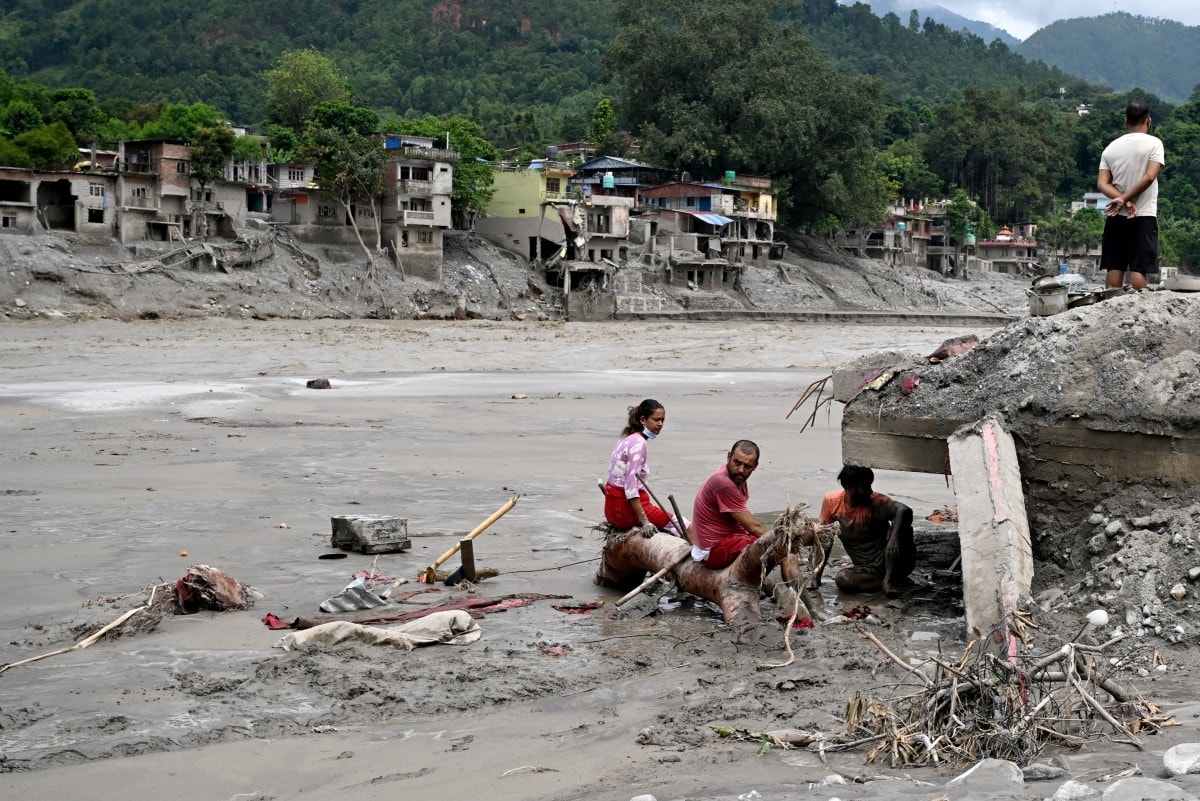
Photo Credit: AFP
Home Insurance Does Not Always Mean Flood Insurance
This is where many homeowners could be caught off guard. A policy may cover the house against certain risks but exclude others. Some policies do offer protection against floods, landslides and inundation as insured perils.
But homeowners cannot assume that simply buying "home insurance" means they are protected against every disaster. Vasudeva stressed that the policy wording and the perils covered are critical when assessing whether a claim can be made.
In other words, the question is not simply: Did the flood destroy my house? It is: Did my policy cover the flood that destroyed my house?
What If The Entire House Is Gone?
If the property has been washed away and the loss is assessed as a total loss, the claim would generally be considered based on the sum insured and the policy terms.
This is where the amount of insurance purchased matters. A homeowner who insured a property for an amount significantly below its actual value could find that the payout is not enough to rebuild the house.
And there is another important distinction. The house and everything inside it are not necessarily covered in the same way.
Your House May Be Covered. Your Sofa May Not Be
A homeowner may have insurance for the physical structure but not necessarily for all the belongings inside it.
Furniture. Television. Refrigerator. Appliances. Jewellery. Important documents.
These may require separate contents coverage or specific declarations under the policy. The same applies to expenses such as temporary accommodation, depending on what the policy provides.
So, even if the insurer accepts the claim for the damaged structure, a family should not assume that every item lost in the flood will automatically be reimbursed.
What Should Flood Victims Do After The Disaster?
This is where documentation becomes extremely important. Chetan Vasudeva said policyholders should inform their insurer or broker promptly after the flood, while first ensuring their own safety. They should preserve whatever evidence is still available. That could include:
- Photographs and videos of the damage
- Location details
- Proof of ownership
- Insurance policy documents
- Policy schedules
- Purchase receipts
- An inventory of damaged belongings
- Any other records that can establish the loss
In a disaster where an entire building can disappear under water and debris, physical evidence may be difficult to recover. But whatever remains should be documented. "Prompt notification and damage records may help," Vasudeva added.
Track Latest News Live on NDTV.com and get news updates from India and around the world

