





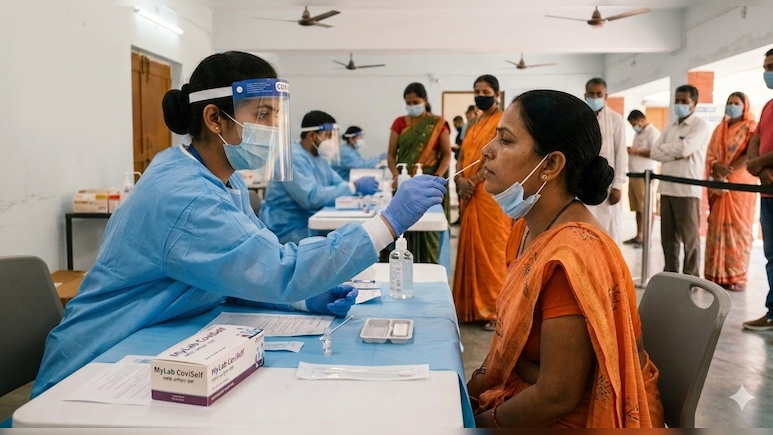
- Recent rise in Covid cases in India remains localized without hospital surges
- Widespread vaccination and past infections reduce severe illness risks now
- Health insurance coverage for Covid varies by policy and treatment type
Covid Cases India 2026: The recent rise in Covid-19 cases across parts of India has brought back uneasy memories. Reports of Covid-linked deaths in Andhra Pradesh and fresh infections in a few cities have once again put the spotlight on the virus.
But doctors say this is not 2021 all over again. The increase in cases remains localised. Hospitals are not seeing the rush of patients, oxygen shortages or overwhelmed ICUs that marked earlier waves. Widespread vaccination and immunity built through previous infections have helped reduce the risk of severe illness for most people.
Still, the resurgence carries an important reminder: illness can strike without warning. And that's exactly why this may be the right time to review your health insurance policy.
According to Arun Ramamurthy, co-founder, Staywell.Health, many people wrongly assume that every Covid-related expense is automatically covered by their health insurance. In reality, the extent of coverage depends entirely on the policy terms.
Most comprehensive health insurance plans now treat Covid-19 like any other illness. Hospitalisation, ICU care, doctor's visits during admission and diagnostic tests are generally covered, provided the treatment falls within the policy conditions.
However, that doesn't mean every expense will be reimbursed. Arun Ramamurthy says one of the biggest areas people overlook is home treatment. Many Covid patients recover without being admitted to a hospital. But expenses such as pulse oximeters, masks, sanitisers, supplements and even some medicines may not be covered unless the policy specifically includes domiciliary care. Similarly, tele-consultations or home nursing services are only covered if they are part of the insurance plan.
Another important point is the hospital itself. Cashless treatment is available only at network hospitals. If you receive treatment at a non-network hospital, you may have to pay the bill first and seek reimbursement later. That process can take time and depends on the insurer's claim conditions.
Rising Medical Costs
Arun Ramamurthy also advises policyholders to review their sum insured. Medical costs have risen sharply over the past few years. A health insurance cover that looked sufficient five years ago may no longer be enough to handle a prolonged hospital stay today. If needed, a super top-up plan can provide additional financial protection at a relatively low cost.
Waiting periods and policy exclusions continue to matter as well. If your policy is still under its initial waiting period or excludes certain conditions, your claim may not be approved. Understanding these clauses before an emergency can prevent unpleasant surprises later.
Documentation is equally important. Keeping prescriptions, diagnostic reports, hospital bills, discharge summaries and pharmacy invoices organised can speed up both cashless approvals and reimbursement claims.
Those relying only on employer-provided health insurance should also think twice. Group policies are linked to your job and may have lower coverage limits or fewer benefits than an individual policy.
Arun Ramamurthy says health insurance should not be viewed as a document you buy and forget. It needs regular review as healthcare costs, personal needs and policy terms change over time.
Track Latest News Live on NDTV.com and get news updates from India and around the world

