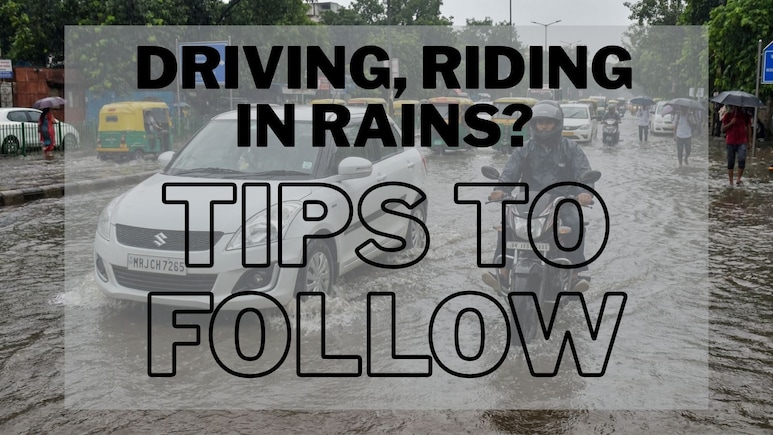
The National Capital Region is practically underwater. With the IMD recording over 100mm of rainfall in the last 24 hours and predicting another 200mm over the next two to three days, a severe Red Alert has been issued across parts of Delhi, Noida, and Gurugram. Videos on the internet show that arterial roads are choked, underpasses are heavily flooded, and the daily commute has turned into a high-risk obstacle course.
If you absolutely cannot avoid stepping out during this deluge, winging it is not an option. Driving or riding through deep water without the right technique can cost you a seized engine, or worse, trap you in a life-threatening situation. Here is a simple, no-nonsense survival guide to navigating flooded streets.
Critical Rules for Car Drivers
Respect The Wading Depth
Do not guess. As a rule of thumb, if the standing water is above the center of your wheels (the hubcaps) or touching the lower edge of your doors, reverse and find another route. Standard sedans and hatchbacks are not built to wade through more than 150-200mm of water.
Heavy monsoon rain hits Delhi-NCR with waterlogging reported in key areas
— NDTV (@ndtv) July 9, 2026
Track LIVE weather updates: https://t.co/n166FucEMC#Delhi #Heavyrain #waterlogging pic.twitter.com/d3ifE3SCBP
Keep Revs High In First Gear
When entering a flooded stretch, shift to first gear. Slip the clutch slightly and keep the accelerator pressed to maintain constant, high RPMs. This creates continuous outward pressure in the exhaust system, preventing water from rushing up the tailpipe.
Also Read - Watch: Man Refuses To Let Go Of Car In Flood, Viral Video Leaves Internet Heartbroken
The Golden Rule: Never Restart A Stalled Engine
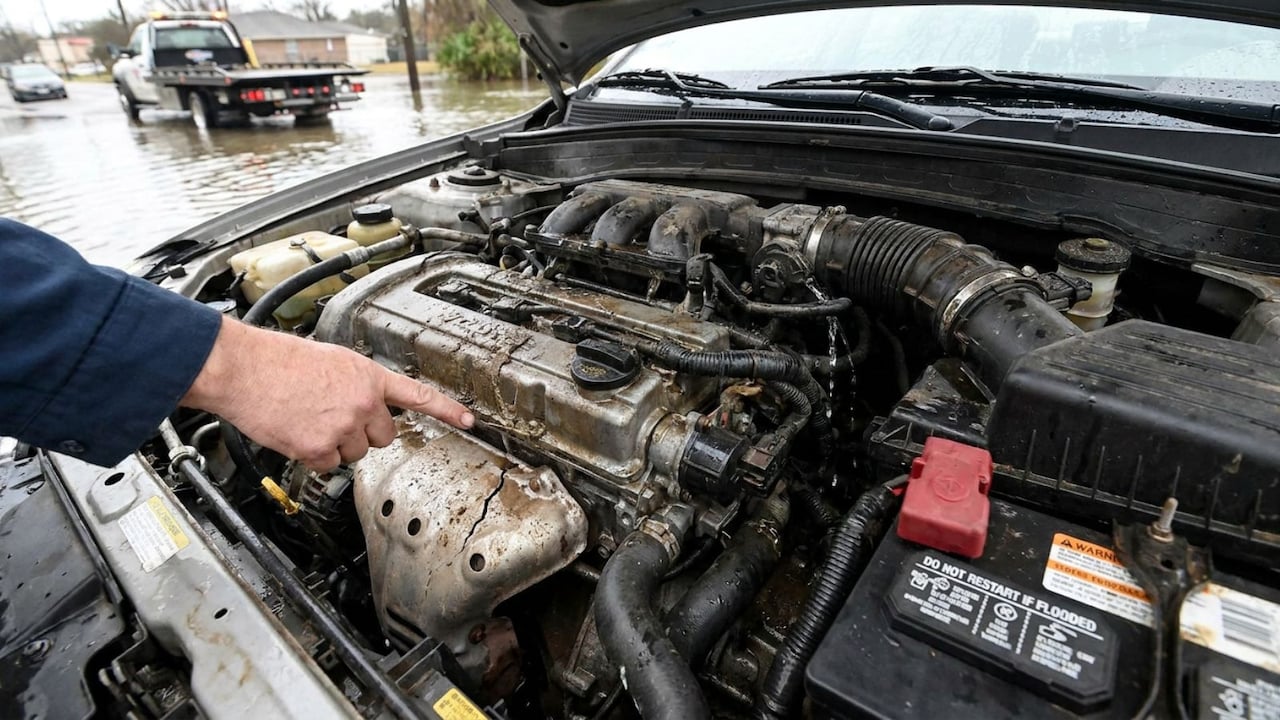
If your car dies mid-puddle, do not turn the ignition key. Attempting to crank it will suck water directly into the air intake and engine cylinders, causing a "hydro-lock" (bent piston rods and a destroyed engine). Push the car out and call a flatbed.
Crack The Windows Open
Modern cars are packed with electronics that will short-circuit instantly in deep water, permanently locking the doors. Before entering a severe waterlogged area, roll your windows down an inch or two to secure an escape route.
Also Read - 2026 Land Rover Defender Breaks Cover With New Vertex Variant
Dry Your Brakes
Once you clear the flooded section, your brake pads will be soaked, severely compromising stopping power. Drive at a slow speed and lightly tap your brake pedal a few times. The friction generates heat and dries the rotors quickly.
Survival Tactics for Two-Wheeler Riders
Stick To The Center Lane
Urban roads are cambered (sloped toward the edges for drainage). The edges of the road are where water is deepest and where the deadliest hazards - submerged open manholes, deep craters, and debris - lurk. Stay strictly in the middle lane.
Ride The Clutch, Don't Chop The Throttle
Keep your bike in first gear and keep the engine revving higher than usual. Regulate your speed purely by slipping the clutch. If you completely close the throttle, water will enter the exhaust and kill the engine instantly.
Read The Bow Wave
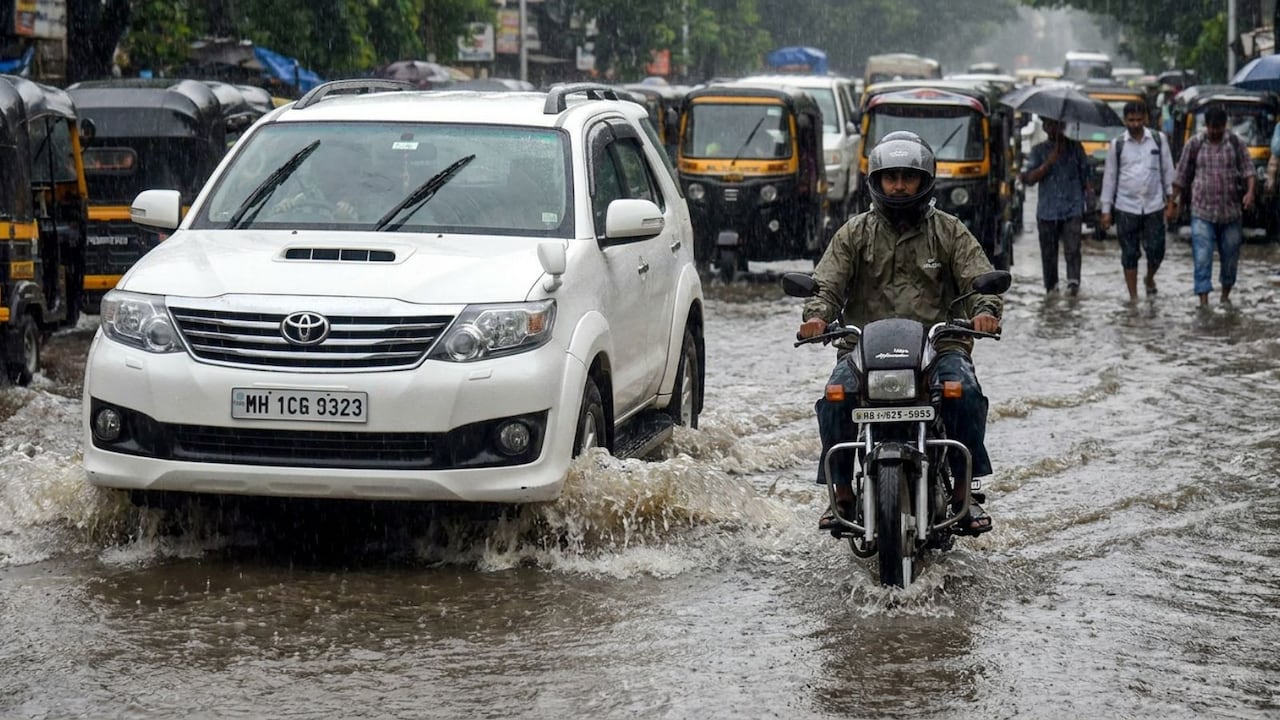
Let a larger vehicle, like an SUV or a bus, proceed ahead of you. It will displace the water, creating a shallower path. However, keep a massive following distance so you aren't knocked off balance by the wake (the wave of water pushing back).
Anticipate Total Brake Fade
Submerged drum brakes trap water and lose 90% of their stopping power. Disc brakes will also lack initial bite. Rely heavily on engine braking (downshifting) to slow down, and keep your speeds strictly under 20 kmph.
Also Read - Kids Scratch Rs 5.04 Crore Ferrari While Playing, Owner Drags Parents To Court
Post-Ride Hygiene
Flood water is highly corrosive. Once home, wash the grime off your radiator fins to prevent overheating on your next ride, and heavily lube your drive chain, which will have been stripped of all its grease.
Track Latest News Live on NDTV.com and get news updates from India and around the world
