





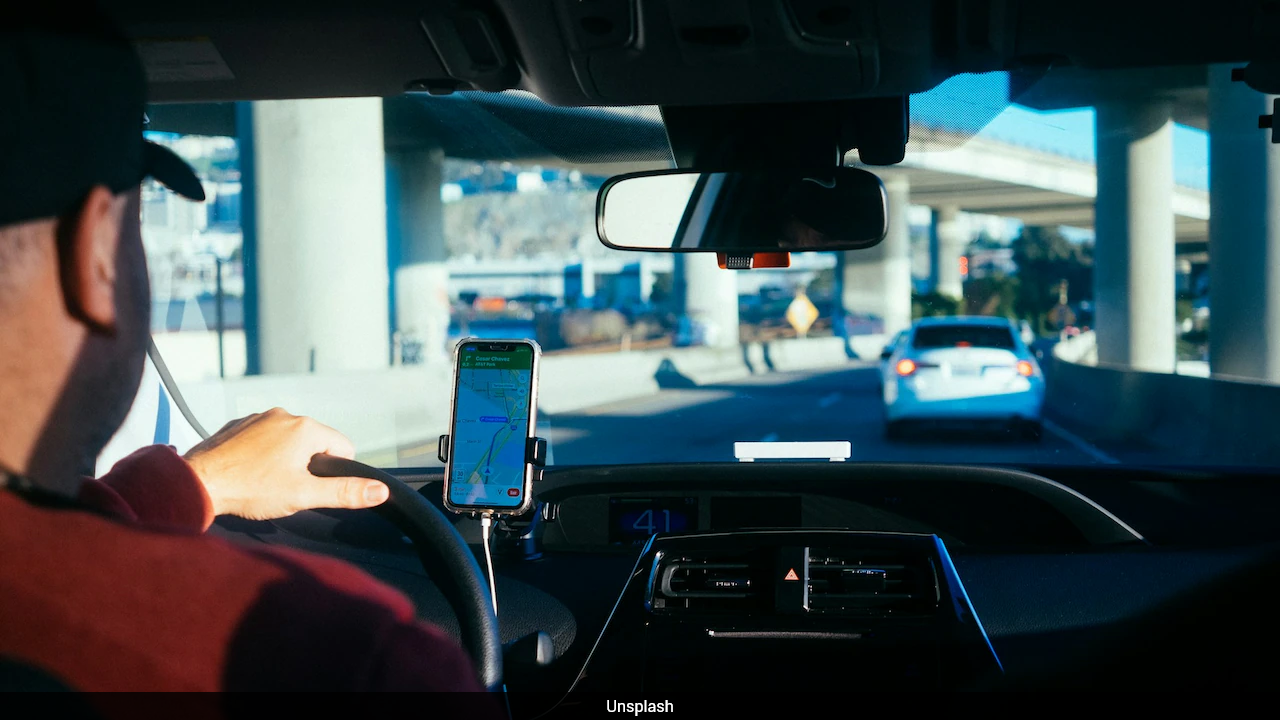
If you have ever opened Uber and wondered why a ride suddenly costs much more than expected, artificial intelligence could be part of the answer. According to a report by Business Insider, Uber has increasingly turned to AI and sophisticated algorithms to determine how much passengers pay for rides. The system takes into account a range of factors, including demand, driver availability, traffic, weather, location and the estimated time of a journey.
The report also raises questions about whether the technology could result in different passengers being offered different prices for what appears to be the same journey.
Why can the same Uber ride cost different amounts?
Business Insider reported that its employees requesting the same UberX ride at around the same time received different fare estimates. In one example cited by the publication, the difference between the highest and lowest quoted fares was nearly 21%.
The issue has also been examined by Consumer Reports. TheStreet, reporting on the findings, said tests involving Uber and Lyft found substantial differences between the lowest and highest prices offered for the same routes.
In one example cited in the report, one rider was quoted $94.96 while another was shown an undiscounted fare of $65.95 for the same route at roughly the same time.
These findings have raised questions about how much pricing decisions are influenced by algorithms and whether customers can easily understand why they are being charged a particular amount.
Uber disputes personalised pricing claims
Uber has rejected the suggestion that it uses individual customer characteristics to determine base fares.
As reported by TheStreet, Uber argued that ride prices can change rapidly because the marketplace is constantly changing. Driver supply, estimated arrival times, traffic, routing and other factors can all affect the price shown to a customer.
The company also disputed the methodology used in the Consumer Reports investigation, saying the analysis did not fully account for the factors that can influence the cost of a ride.
Lyft has similarly said that differences in fares can be explained by real-time market conditions, including demand, driver availability, location, weather, traffic and promotional offers, according to the report.
Uber's position is that this is different from using personal information to decide how much a particular customer is willing to pay.
AI is used for much more than pricing
Pricing is only one part of Uber's wider use of artificial intelligence.
Brandlab, in its analysis of Uber's AI strategy, said the company uses AI and machine learning across its platform to forecast demand, improve driver positioning, optimise routes, estimate arrival times, detect fraud and personalise the customer experience.
According to Brandlab, these technologies are ultimately aimed at increasing the number of trips, improving revenue and encouraging customers to continue using the platform.
The use of AI also allows Uber to make predictions about what is likely to happen before and after a ride is booked. The technology can help the company anticipate demand in particular areas and determine where drivers are likely to be needed.
What does this mean for passengers?
For most passengers, the technology remains largely invisible.
A customer enters a destination, receives an upfront fare and decides whether to book. Behind the scenes, however, algorithms may be processing a large amount of real-time information before that price appears on the screen.
The reporting by Business Insider and TheStreet, has highlighted concerns about the transparency of these systems, particularly when different customers appear to receive different prices for similar journeys.
Uber, however, maintains that changing fares reflect the realities of its marketplace rather than an attempt to charge individual passengers more based on their personal behaviour.
The debate is likely to become more important as Uber and other ride-hailing companies rely increasingly on AI to manage everything from driver supply and demand forecasting to pricing and customer retention.
For passengers, the basic question remains straightforward: when two people request the same ride at almost the same time, why can they sometimes see different prices?
The answer, increasingly, lies in the algorithms working behind the app.
Track Latest News Live on NDTV.com and get news updates from India and around the world

