The Awami League has been the face of Bangladesh's pro-India politics for decades. Under former Prime Minister Sheikh Hasina, the party built strong ties with New Delhi, focusing on trade, transport, border security, and water-sharing agreements.
India's support during the 1971 Liberation War helped shape the very birth of Bangladesh, and the Awami League's influence has long stabilised regional tensions.
History, though, is now shifting. The political upheaval of 2024, led by a student-led uprising, has left Sheikh Hasina in exile in India and her party barred from contesting the upcoming election. India has expressed concern over the ban.
The absence of the party that once championed close India ties has left a gap, giving the Bangladesh Nationalist Party (BNP) and its allies, including Jamaat-e-Islami, a chance to change the country's foreign policy.
BNP's Approach
With the Awami League out of the race, the BNP and Jamaat are now the main players. Party chief Tarique Rahman's return from 17 years of political exile has strengthened the BNP's position, and the death of former Prime Minister Khaleda Zia has also consolidated support.
BNP is reported to be ahead in the poll race, although Jamaat and its new Gen-Z ally are mounting a strong challenge.
Both parties are actively trying to win over Awami League supporters, particularly in key constituencies. The Hindu minority vote may become a swing factor, with BNP having an edge due to Jamaat's hardline image.
BNP's Foreign Policy
Unlike the Awami League's pro-India tilt, the BNP believes in a different approach to maintain relations with global powers. Tarique Rahman has promised that Dhaka will prioritise national interest (Bangladesh first policy) and maintain equal respect for India, China, and the US.
US engagement, including a visa granted to Rahman, is seen by political analysts as Washington's effort to encourage democratic participation and counter China's growing influence.
China has also increased its presence in Bangladesh, offering investment and infrastructure support without historical tensions. A BNP-led government may therefore pursue a triangular foreign policy, balancing India, the US, and China.
The Jamaat Stance
Jamaat-e-Islami, historically controversial for its role during the 1971 war, is seeking to improve its image. Jamaat's Gen-Z ally has met Chinese diplomats, which may show Beijing's growing role in Bangladesh. A Jamaat-led government might reportedly tilt towards Pakistan.
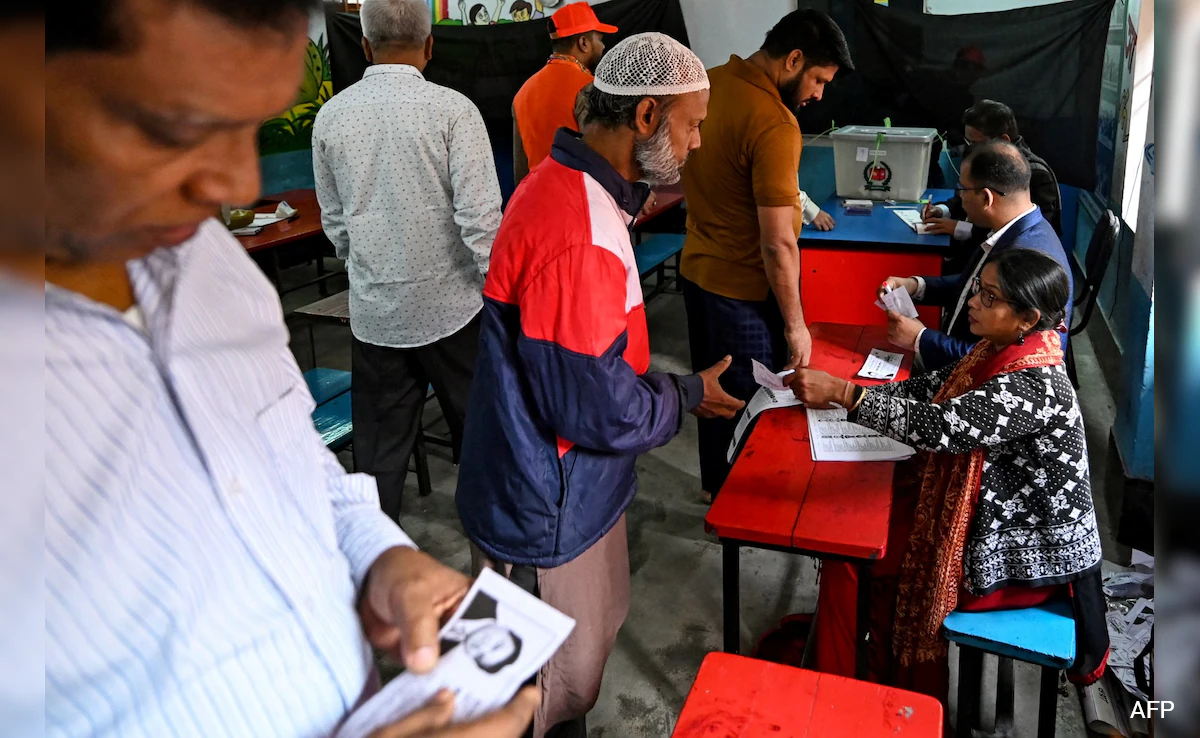
The Bangladesh election on February 12 will be held across 299 constituencies using paper ballots and transparent boxes. The interim government, led by Nobel laureate Muhammad Yunus, has introduced strict security measures amid pre-election violence.
Track Latest News Live on NDTV.com and get news updates from India and around the world


