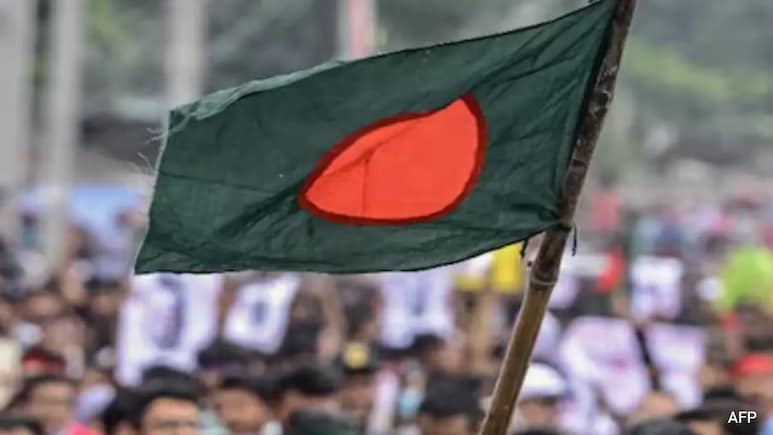
As Bangladesh prepares for its national elections scheduled for Thursday, long-running tensions over free speech, dissent, and political authority remain unresolved.
One of the clearest markers of this struggle came in 2015, when a series of secular and atheist bloggers were attacked and killed.
In May 2015, blogger Ananta Bijoy Das was hacked to death in Sylhet while on his way to work. He wrote for Mukto-Mona, a secular platform linked to Avijit Roy, who had been killed in Dhaka three months earlier. Around the same time, other secular voices, including Washiqur Rahman and Ahmed Rajib Haider, were also murdered or attacked.
Human Rights Violations
Human Rights Watch (HRW) described the attacks as “an alarming trend of violent intolerance toward freedom of religion and speech in Bangladesh.”
The government, under now-deposed Prime Minister Sheikh Hasina, pledged to act against anyone who “hurt religious sentiments”. HRW said this sent the wrong signal.
“When the authorities jail atheist or secular bloggers for nothing more than expressing their opinion about religion, it suggests that the government agrees with radicals who are butchering people on Bangladesh's streets,” said Brad Adams, then Asia director of HRW.
The government said it had identified suspects in earlier attacks and linked them to extremist religious groups. Investigations were announced after each killing.
Bloggers still faced arrests and cases under laws related to religious sentiment.
Blogger ‘Hit List'
Many targeted bloggers appeared on a 2013 list of 84 “atheist bloggers” compiled by Islamic groups and submitted to the government for prosecution. The list later spread online.
In August 2015, Niloy Neel, also on the list, was murdered inside his home. The killing erased any sense of safety.
One blogger described the country as an “open prison”, as per the BBC. Another asked, after Neel's death, “How can I think my house is safe?”
Why The Violence
Bangladesh was already locked in a bitter standoff between the ruling Awami League and opposition parties, including the Bangladesh National Party and Jamaat-e-Islami.
Over several years, editors, opposition figures, and civil society leaders faced arrests and charges for reports critical of the government. In 2013, four atheist bloggers were jailed. Six more were later arrested and bailed on charges of hurting religious sentiments.
Why Bloggers Were Targeted
Violence against bloggers intensified after the 2013 war crimes verdicts linked to the 1971 independence war, especially the case of Abdul Qadir Molla. The Shahbagh movement demanded harsher punishment for war crimes and drew support from secular activists and minorities.
Islamist groups opposed the protests and accused Shahbagh-linked bloggers of being anti-Islam. Some bloggers were atheists, others were secular critics of political Islam. Their shared opinions made them targets.
Since then, Bangladesh's political order has changed again.
Former Prime Minister Sheikh Hasina has now been found guilty of crimes against humanity linked to her government's crackdown on protests during the 2024 student uprising. More than 1,400 protesters, mostly students and teenagers, were killed on her orders. Her party, the Awami League, has been banned from contesting the upcoming elections.
Track Latest News Live on NDTV.com and get news updates from India and around the world


