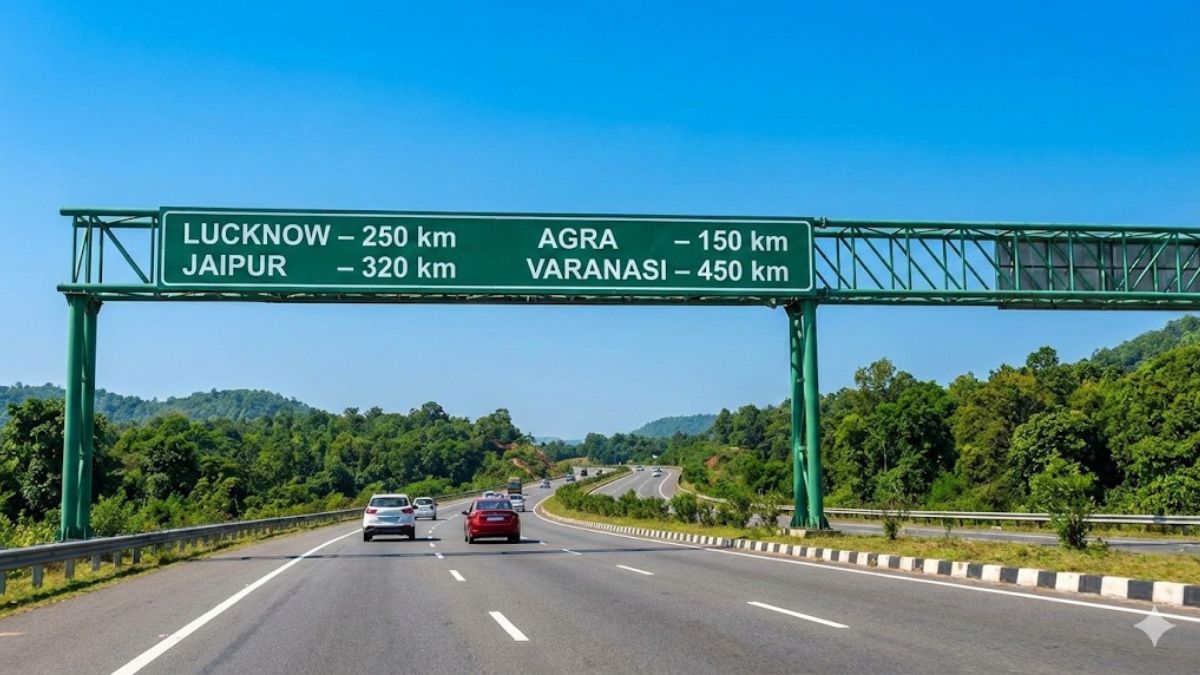
You have probably driven on Indian highways and noticed the familiar green signboards with white lettering guiding you to cities, exits, and distances. But have you ever wondered why green was chosen instead of red, blue, or yellow? Road sign colours are not random; they are the result of decades of research in traffic safety, human psychology, and international standardisation. Green signs serve a purpose, and understanding why these signs are green not only satisfies curiosity but also highlights how traffic design aims to make long drives safer, clearer, and easier to navigate.
Also Read: Transit Visas Explained: What They Are, When Indians Need Them, And How To Apply
Here's Why the Highway Signs Are Green
1. Green Designates Directional And Guide Signs On Highways
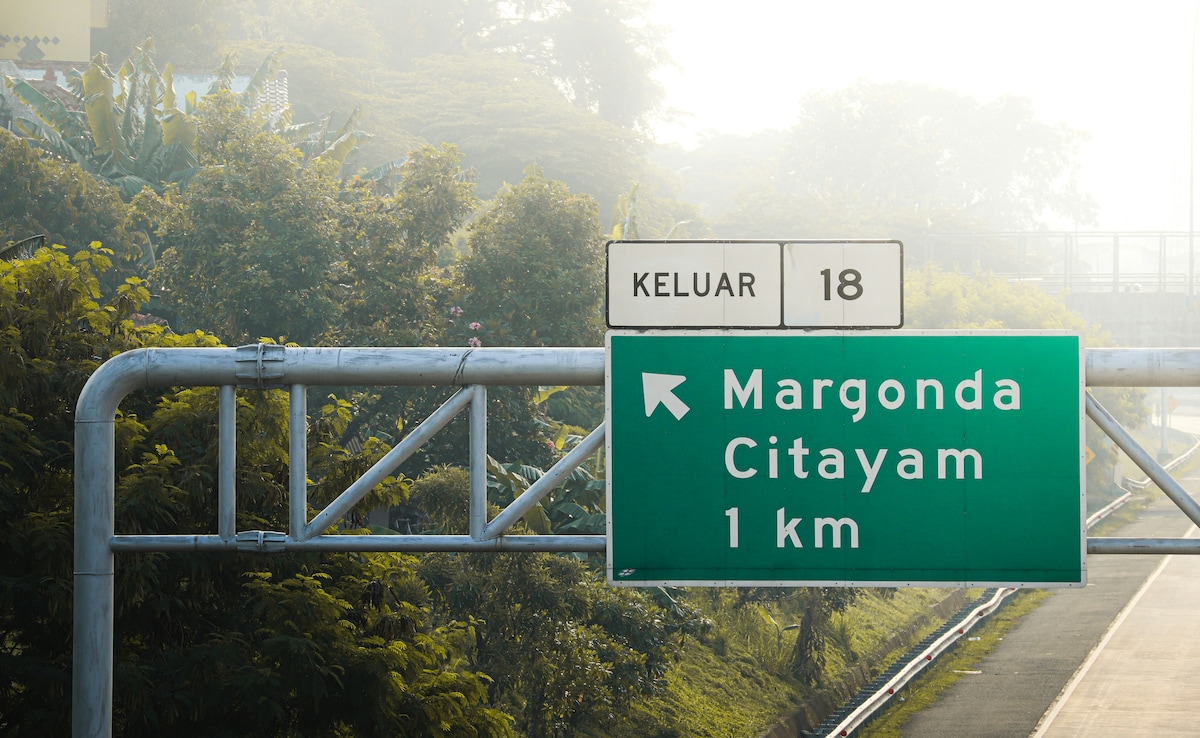
Photo: Unsplash
In India, directional and informational road signs on national highways, state highways, and major district roads use a green background with white text. These guide signs show cities, exits, junctions, and route numbers, making it easy for drivers to plan their route at highway speeds. The Indian Roads Congress (IRC) Code of Practice for Road Signs clearly specifies this colour scheme for primary route information, helping motorists instantly recognise the type of sign they are seeing.
2. High Visibility And Contrast For Safety
Green boards use white lettering to create a strong contrast that is easy to read from a distance - a crucial factor when travelling at high speeds on highways. This contrast is specified in Indian road sign standards to ensure legibility during day and night. The green/white combination helps drivers spot important directional details early, reducing sudden lane changes or last-minute decisions.
3. It Helps Drivers Identify Road Types Quickly
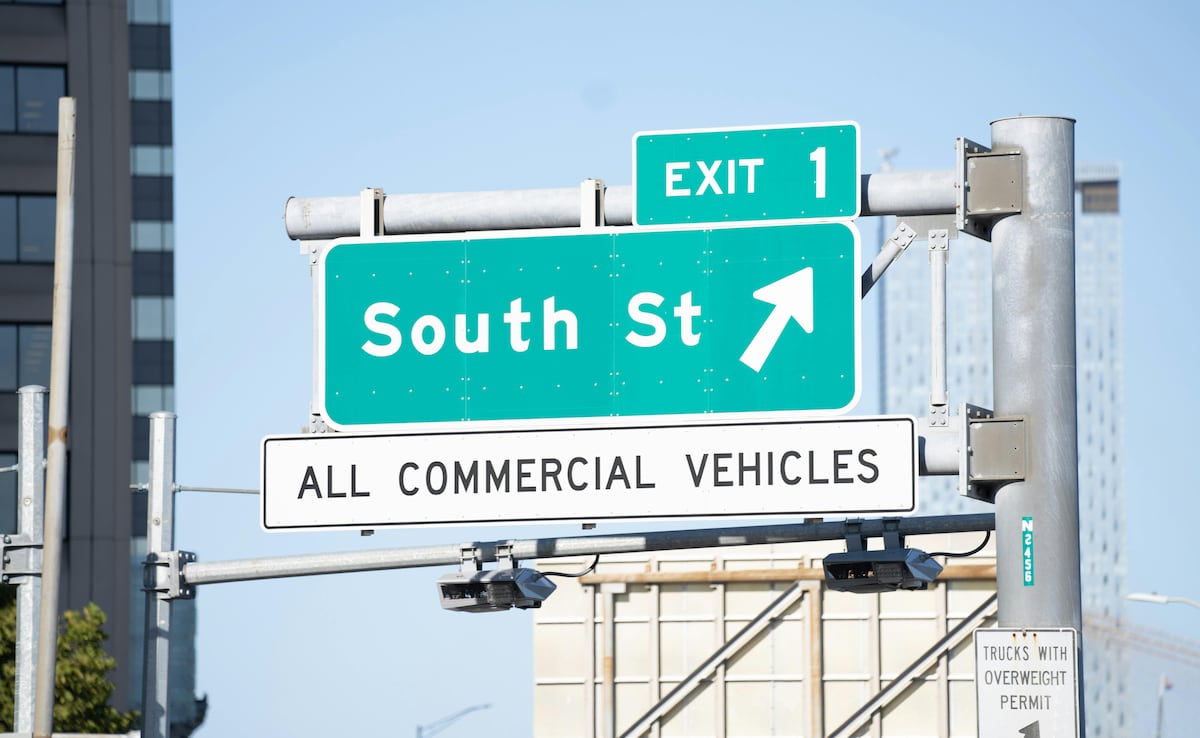
Photo: Pexels
Colour coding on Indian roads isn't random, but it helps drivers know what kind of road they are on. Green signboards indicate primary long-distance routes like NHs and SHs, while signs on urban or city roads are typically blue. This instant visual cue helps motorists adjust expectations, from highway cruising to slower urban navigation, improving both safety and awareness.
4. Green Is Calming And Reduces Driver Fatigue
Though not explicitly stated in traffic codes, global traffic design research highlights that green is a neutral, non-distracting colour compared with bright yellow or red, which are reserved for warnings and prohibitions. This calmness helps drivers maintain focus during long journeys, reducing stress and visual fatigue on extended road trips. Such psychological effects contribute to overall highway safety.
5. Standardised Across Road Networks For Consistency
Green highway signs follow both Indian standards (IRC:67-2022) and international conventions that recommend distinctive colours for guide sign categories. By using green consistently for route and distance information across states and expressways, traffic authorities ensure that drivers, including those from different regions or backgrounds, can quickly decode and react to signage without confusion.
India vs The World: The Colour Code For Highways
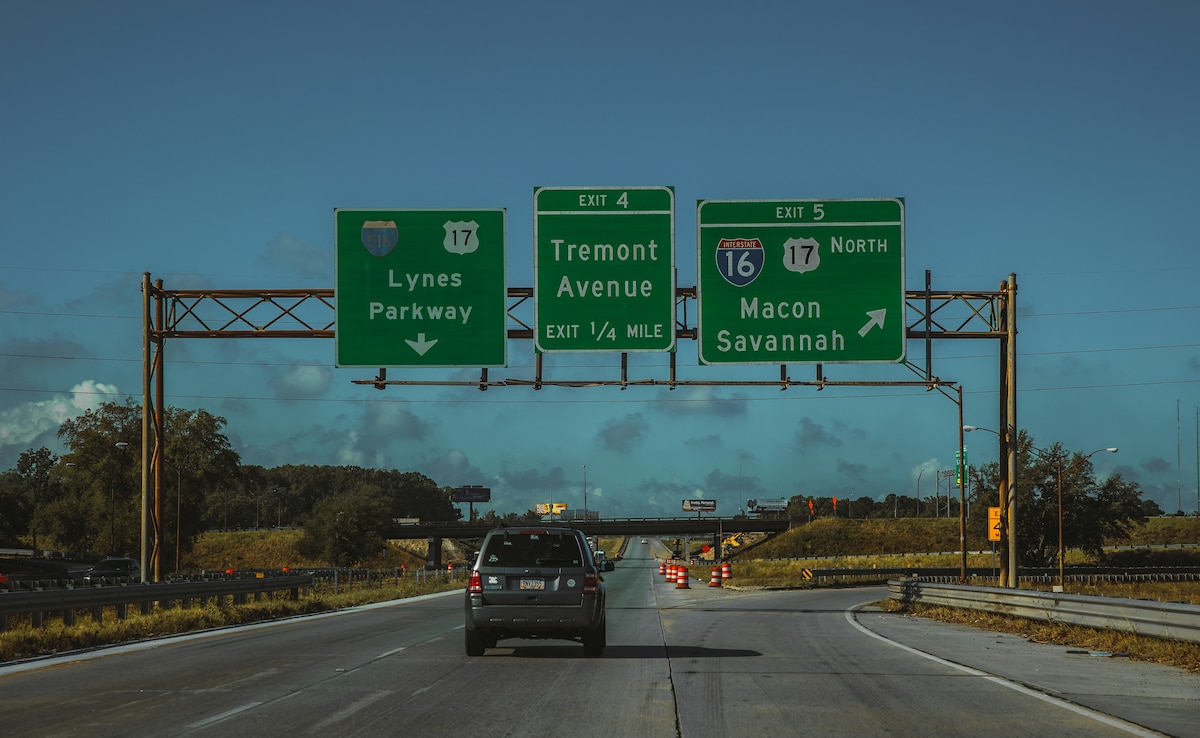
Photo: Unsplash
India's choice of green for highway guide signs is not vague; it mirrors global traffic standards designed for clarity and consistency. Across the world, colour coding for directional signs follows international conventions:
United States And Canada: Highways use green backgrounds with white text for guide signs, as per the Manual on Uniform Traffic Control Devices (MUTCD). These signs indicate exits, destinations, and route numbers, just like in India.
Europe: Many European countries adopt white-on-green for motorways and long-distance routes, while others prefer white-on-blue. Both colour schemes are recognised under the Vienna Convention on Road Signs and Signals, which India also aligns with.
Asia-Pacific: Countries like Japan and Australia similarly use green for expressways and major routes, ensuring drivers can quickly identify directional information at high speeds.
Also Read: Travelling In Trains In Europe? Dos And Don'ts You Must Know
This global consistency means travellers find Indian highways familiar and intuitive, reducing confusion and improving safety for domestic and international motorists alike.
So, now you know why the signs are green. Now go on and share this information with your friends and family.
Track Latest News Live on NDTV.com and get news updates from India and around the world


