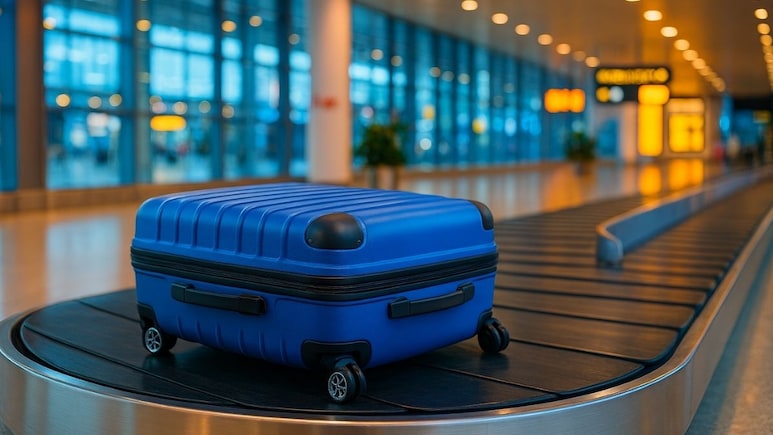
Travel days can be chaotic with long layovers, tight connections, and the general rush of trying to get out of the airport as quickly as possible. In that rush, some passengers forget to collect their suitcases from the baggage carousel, leaving behind everything from clothes and electronics to gifts and personal essentials. While it may look like the bag simply keeps circling endlessly, airports follow a strict and systematic process for handling unclaimed luggage. Understanding this journey not only satisfies curiosity but also reveals how airports balance passenger service, security, and logistics. Here are five things that typically happen to suitcases left behind at baggage claim.
Also Read: Why Are Highway Signs Green? 5 Key Reasons You Might Not Know
Here Are 5 Things That Happen to Suitcases Left at Baggage Claim
1. Suitcases Are Moved To Lost And Found Or The Airline's Baggage Office

Photo: Unsplash
Once a suitcase remains uncollected on the carousel beyond a reasonable window, airport staff remove it and transfer it to the Lost & Found or the respective airline's baggage office. There, the luggage is logged, tagged for reference, and stored securely for short-term holding - usually 24 to 72 hours. Staff examine baggage tags, internal identifiers, and routing labels to determine ownership. This initial phase prioritises security and ensures the bag is protected from tampering or accidental removal.
2. Airlines Actively Try To Contact The Passenger
After the initial intake, airlines begin tracing efforts using reservation details linked to the baggage tag. Contact numbers, email IDs, and alternate references provided during booking allow staff to notify passengers promptly. Many passengers receive messages offering doorstep delivery or instructions for airport pickup. Sometimes, airlines coordinate with the arrival airport if the passenger has flown onward or missed a connection. This stage often resolves most cases, as quick communication helps reunite travellers with their luggage before it enters longer-term storage.
3. Unclaimed Bags Are Held For An Extended Period
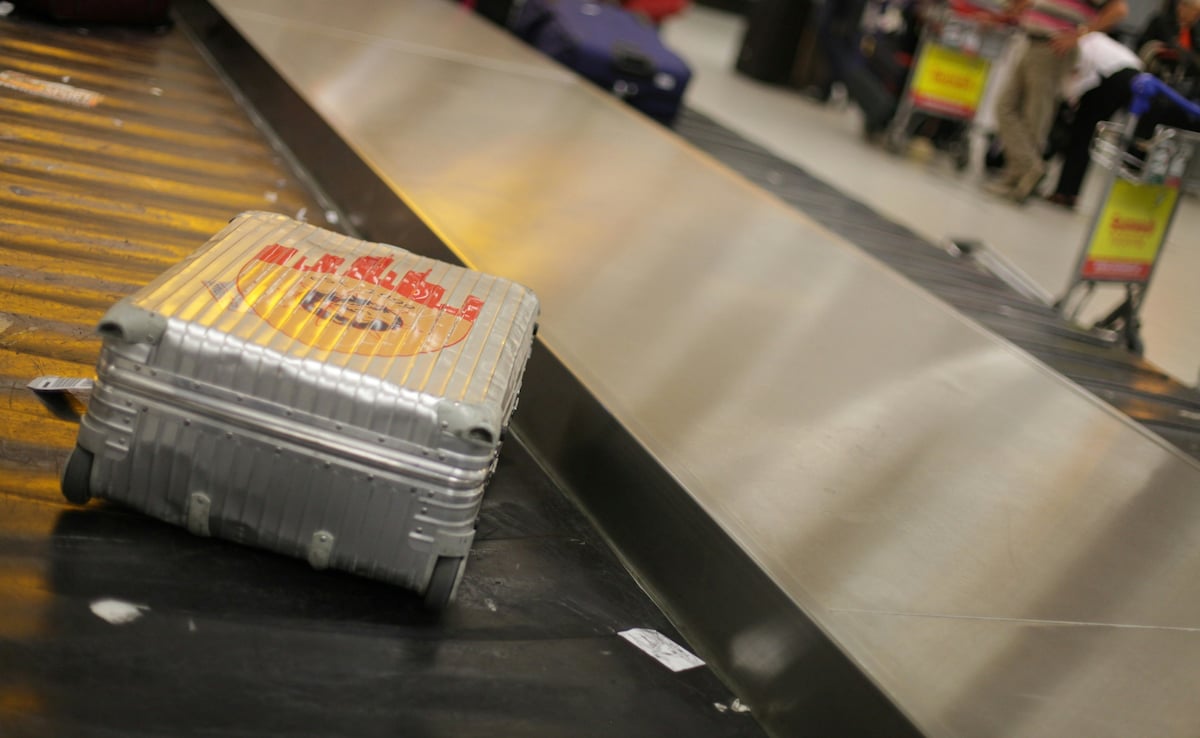
Photo: Unsplash
If the owner doesn't respond promptly, the suitcase enters an extended holding phase that varies by country and airline. In India, regulations typically allow airlines to retain unclaimed luggage for up to 21 days before declaring it officially unclaimed. Internationally, this period can stretch to 60 or even 90 days, depending on local policies. Throughout this time, bags are kept in secure, access-controlled storage zones. Additional follow-ups may occur if identification documents, medications, or sensitive personal items are found inside.
4. Bags May Be Auctioned, Donated, Or Resold
Once the legally mandated holding period lapses, the suitcase is reclassified as unclaimed property. Airports or airlines then follow approved disposal channels, which may include public auctions, donations to social organisations, or sale to authorised resellers. Some countries have long-established markets for such goods; for instance, companies like Unclaimed Baggage in the U.S. purchase and resell items after inspection. This process ensures transparency, prevents waste, and gives luggage a second life instead of letting it sit indefinitely in storage.
5. Perishable Items Are Discarded Immediately

Photo: Pexels
Not everything in unclaimed luggage can be retained. Perishable goods such as food items, liquids prone to spoilage, or temperature-sensitive products are removed and discarded immediately according to hygiene and airport safety standards. This prevents contamination, odour issues, and pest risks within storage facilities. Airports maintain strict disposal protocols to ensure that such items do not compromise other stored luggage. The rest of the suitcase, once cleared of perishables, continues through the usual tracing and retention cycle.
What Happens If A Suitcase Is Damaged Or Missing Tags?

Photo: Unsplash
Sometimes luggage arrives at the carousel in less‑than‑ideal condition — torn fabric, missing wheels, or, in more confusing cases, no visible baggage tags at all. When this happens, airports and airlines follow a more detailed verification process. Staff first check for any internal identifiers such as name cards, travel itineraries, or unique markers placed by the passenger. If the suitcase still cannot be matched immediately, it undergoes additional checks to determine ownership.
To manage such cases, airlines typically rely on:
- Internal inspection for identity clues like boarding passes, visiting cards, or labelled compartments.
- Scanning systems that detect hidden or partially torn barcodes inside tag sleeves.
- Cross‑referencing bags with delayed baggage reports filed by passengers.
Photographic comparison with missing luggage descriptions submitted by travellers.
This ensures that even damaged or untagged suitcases have a fair chance of being reunited with their owners without compromising airport security protocols.
Also Read: 10 Things To Never Pack In Your Hand Luggage At Indian Airports
How To Ensure Your Bag Never Gets Left Behind
Photo: Unsplash
It's surprisingly easy to walk away without your suitcase, especially after long flights or late‑night arrivals. A few simple habits can drastically reduce the chances of leaving your bag on the carousel.
Personalise Your Luggage Clearly
Add a bright tag, ribbon, or luggage strap so your suitcase stands out instantly. Unique markers reduce confusion and help you spot your bag before it circles back.- Use Tracking Devices
Smart trackers like AirTags or Tile help you monitor your luggage's location through your phone. These tools send alerts if your bag stops moving or remains on the carousel longer than expected.
So, go on and share this information with your friends and family!
Track Latest News Live on NDTV.com and get news updates from India and around the world


