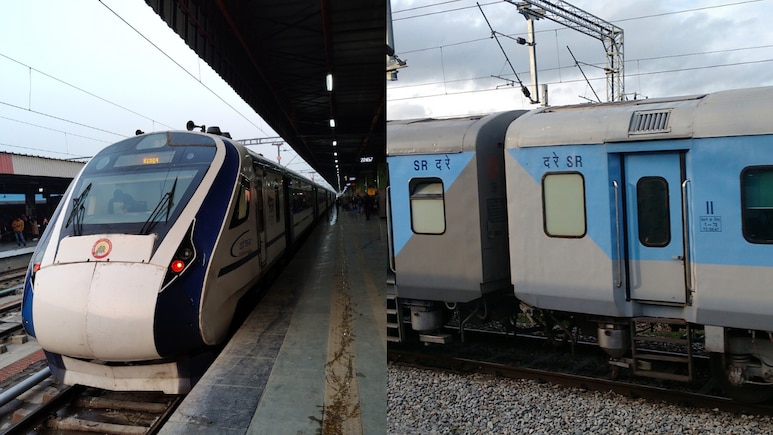
For years, Shatabdi was the train many travellers turned to for a quick daytime journey between major cities. Vande Bharat has brought a newer version of that experience, with a different train design, higher operating speeds on some sections and more modern interiors. Both are fully air-conditioned day trains with Chair Car and Executive Chair Car options. Both serve meals on applicable services. But once you look beyond the name, there are some clear differences between them.
Speed Is One Of The Biggest Differences
Vande Bharat can operate at up to 160 kmph on sections where the railway infrastructure allows it. That maximum is currently achieved on the Tughlakabad-Agra section. The train is also designed to pick up speed quickly.
Shatabdi trains generally operate at lower speeds, with 130 kmph as the current maximum on the relevant routes. That does not mean a Vande Bharat will always get you to the destination sooner. The actual journey time depends on the route, number of stops, track conditions and traffic.
The difference is clear on the New Delhi-Chandigarh route. Vande Bharat covers the 266-km journey in 2 hours 48 minutes, with just one halt. The Shatabdi takes 3 hours 19 minutes for the same distance and makes four halts.
Designed For Daytime Travel
The regular Vande Bharat and Shatabdi services are designed around seating rather than overnight travel. Vande Bharat services were introduced for medium and long-distance journeys, generally connecting cities that are less than about 800 km apart or can be reached in under 10 hours with existing services. Shatabdi routes vary in length. The trains are also known for their same-day return schedules.
Also Read: Why Do Airplanes Still Have Ashtrays When Smoking Is Banned?
Similar Classes But Different Experience
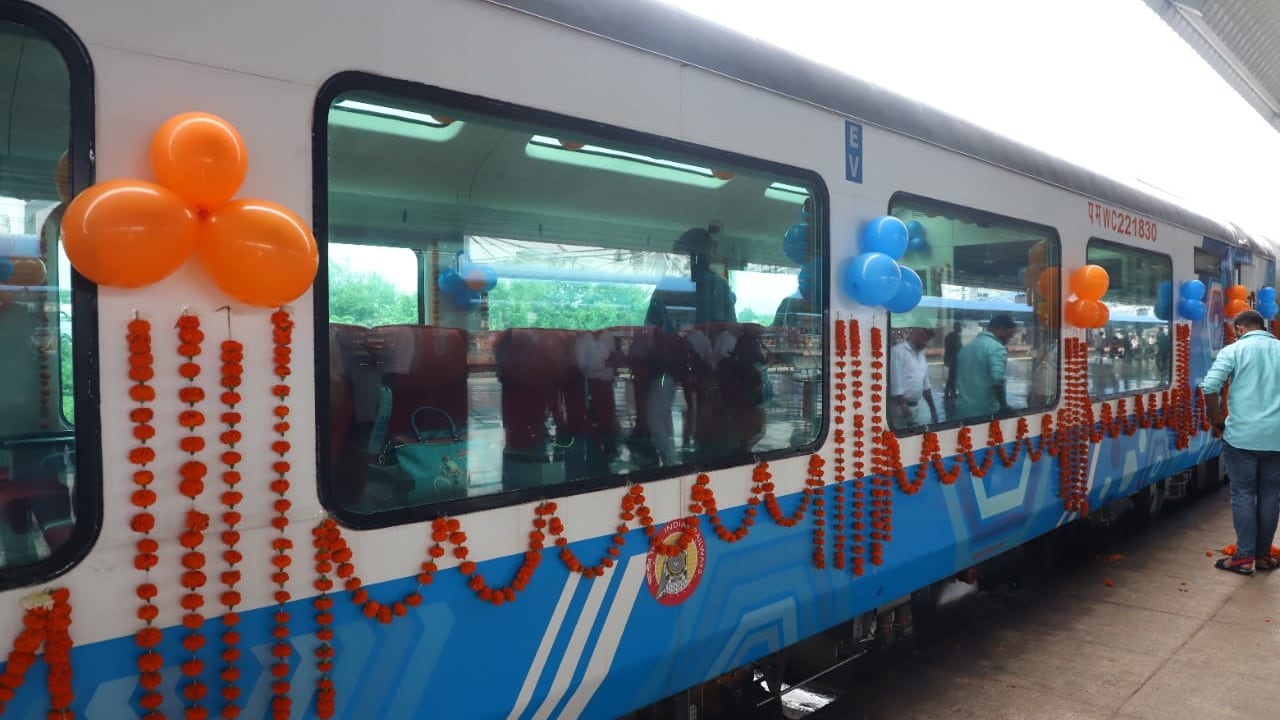
For the regular daytime services, both trains offer AC Chair Car (CC) and Executive Chair Car (EC). CC is the standard seating class, while EC offers a more spacious seating arrangement.
Vande Bharat's newer interiors include reclining seats, charging points and individual reading lights. The Executive Class seats can even rotate, depending on the coach configuration, so you can face the window and enjoy the views outside.
Shatabdi also has Chair Car and Executive Chair Car seating. But what Shatabdi has and Vande Bharat doesn't are Vistadome coaches. With such large windows, glass roof sections and rotatable seats, the journey turns into an experience. These are available only on selected routes.
If we compare the same Delhi to Chandigarh route, the fare difference is small in Chair Car. A New Delhi-Chandigarh Vande Bharat ticket starts at Rs 714. The same seat on the Shatabdi starts at Rs 715. In Executive Class, however, the difference is more noticeable, with Vande Bharat at Rs 1,411 compared with Rs 1,120 for Shatabdi.
The Features That Stand Out
Vande Bharat has automatic passenger doors, passenger information displays, GPS-based information systems, CCTV, bio-vacuum toilets and onboard infotainment. Charging points and reading lights are also part of the newer trainset design. One of biggest features every passenger loves is the rotating seats that turn an ordinary journey into a scenic one.
Sure, Shatabdi has also evolved over the years as well. Its older coaches were replaced by newer LHB coaches, and some services have additional features such as onboard entertainment. These enhancements have certainly played a role in keeping the train service still relevant.
Food Is Exceptional On Both Services
On both Vande Bharat and Shatabdi Express, passengers are served morning tea, breakfast, lunch or dinner and evening snacks, depending on the timing of the journey. But depending on the route and region, the menu can differ largely.
Vande Bharat's current menus also have small extras built into the meal service. Depending on the service and class, passengers can get things such as fruit, muffins or brownies, dry fruits, chikki, caramel popcorn and regional snacks apart from the main meal.
The highlight for Shatabdi passengers has to be the IRCTC eCatering on eligible routes. So, passengers can choose from restaurants and food vendors at selected stations and have the order delivered to their seat.
Also Read: How To Find And Book Vacant Train Seats On Indian Railways After Chart Preparation
The Way The Trains Are Built
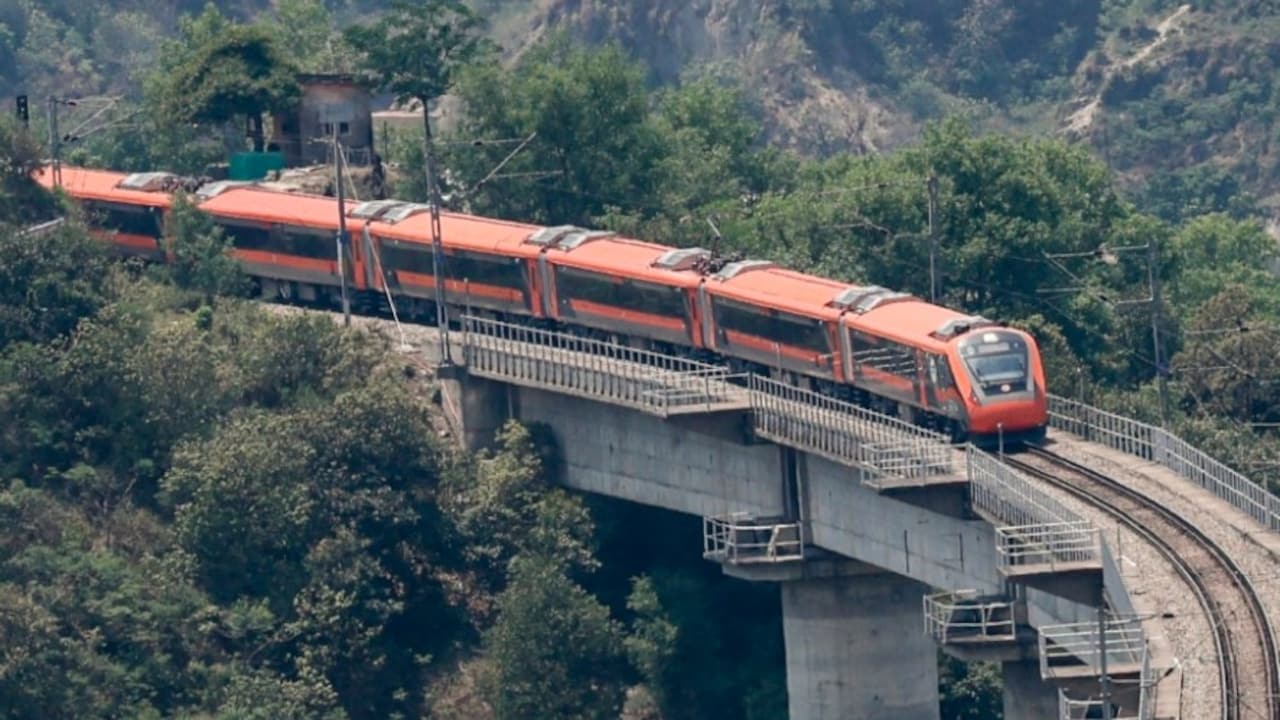
Vande Bharat is a self-powered electric trainset, so it does not depend on a separate locomotive pulling all the coaches. Shatabdi, on the other hand, is a locomotive-hauled train, where a locomotive pulls the passenger coaches.
Vande Bharat trainsets come with 8, 16 or 20 coaches. But since Shatabdi uses conventional rakes, the composition depends on the particular service.
Since Vande Bharat is the newer service, it's charm is undeniable. The little details on the coaches bring a premium feel most Indian trains lacked for a long time. No wonder a journey on this service is usually called an experience.
The two trains have a lot in common. Both are air-conditioned daytime services with reserved seating and onboard food. The difference is that Vande Bharat brings a newer trainset, faster acceleration and a higher operating speed on suitable sections, while Shatabdi remains an established intercity service with its own network and, on selected routes, options such as Vistadome coaches.
Track Latest News Live on NDTV.com and get news updates from India and around the world


