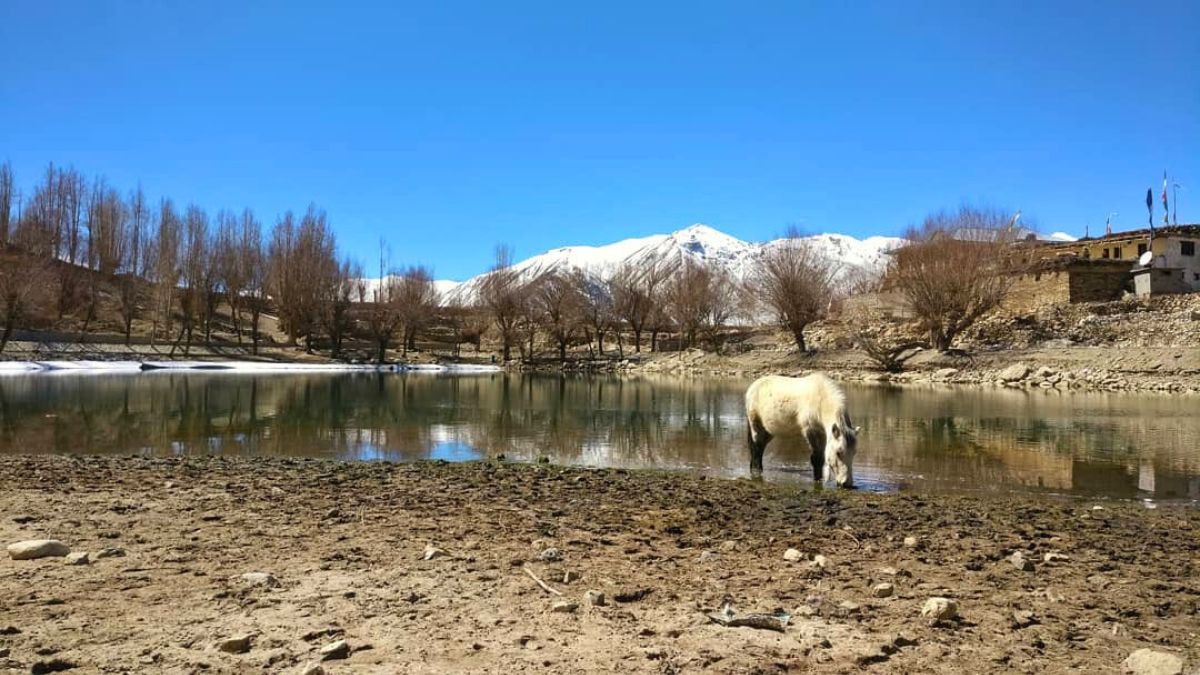
Winter arrives early in Nako. Mornings begin with frost settling over rooftops, the air sharp enough to sting the lungs, and the lake at the centre of the village slowly losing its sheen. By peak winter, it stops reflecting the sky altogether. The water turns solid, pale and still, changing not just the view but the rhythm of life around it. In a country where winter travel is often associated with busy hill towns and snowfall selfies, Nako feels like a pause. There are no crowds waiting for the season to perform. The village carries on quietly, shaped by cold, geography and habit. For travellers willing to go slow, this frozen lake becomes a window into a very different Himalayan winter.
Also Read: What A Rs 50,000 Jaisalmer Trip Actually Looks Like
Where Nako Village Is Located And Why The Lake Freezes
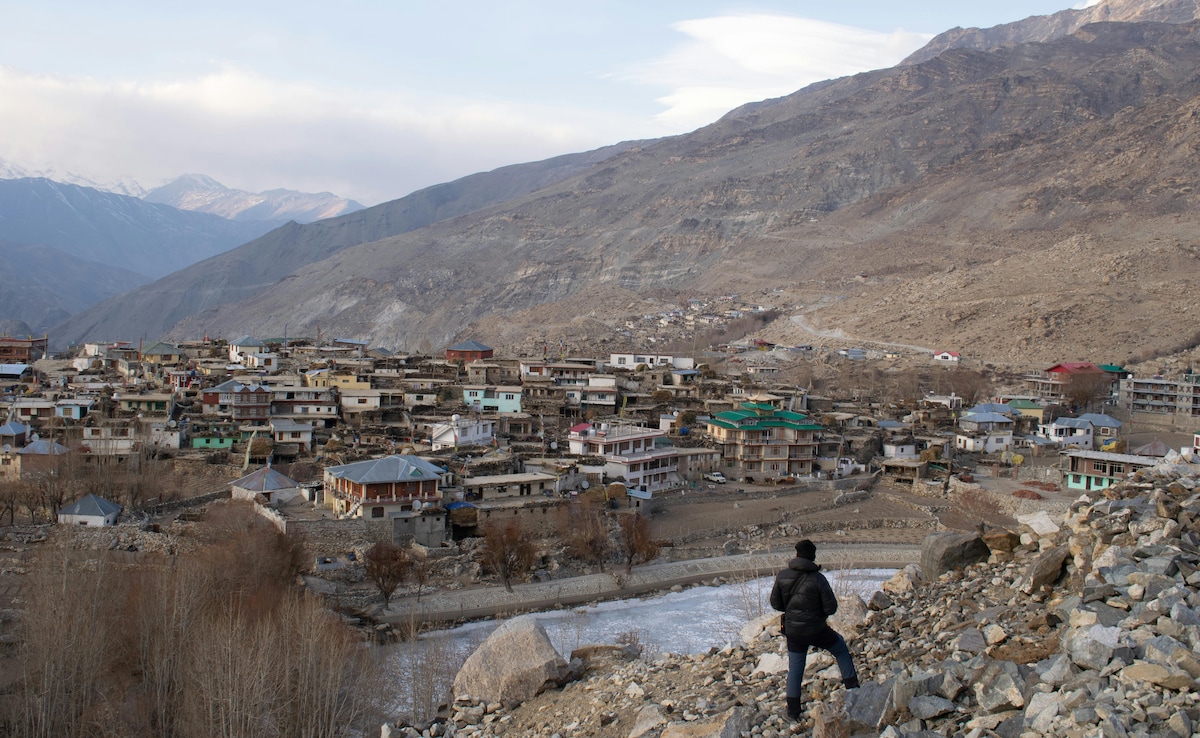
Photo: Pexels
Nako Village is located in Himachal Pradesh's Kinnaur district, close to the Indo-Tibetan border. Sitting at an altitude of around 3,600 metres above sea level, it falls within the trans Himalayan region, where landscapes are dry, sparse and largely untouched by monsoon systems.
The lake freezes every winter due to a combination of altitude and climate. Temperatures remain below zero for extended periods, and the lake has minimal water movement. With no strong inflow or outflow, the surface begins to freeze early in the season. As winter deepens, the ice thickens until the lake becomes a continuous sheet. This is not a one-off phenomenon but a recurring seasonal shift that locals expect and plan around each year.
What Winter Life In Nako Village Feels Like
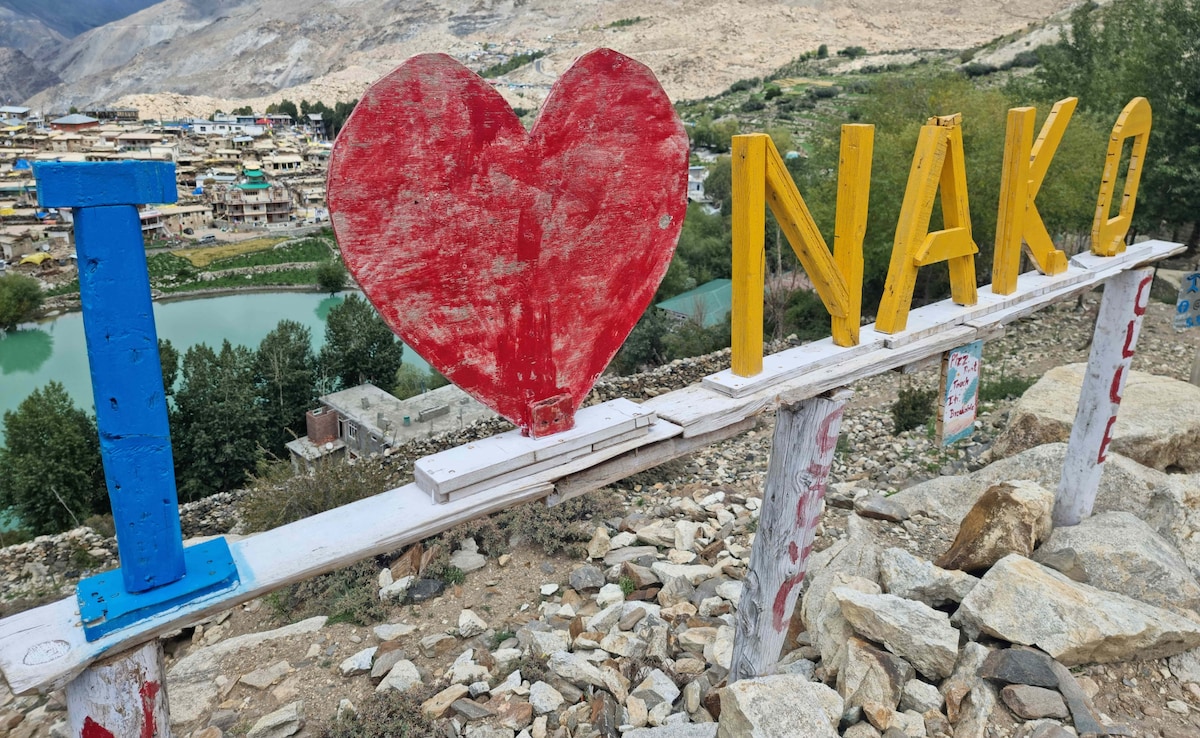
Photo: Unsplash
Once the lake freezes, winter fully settles into the village. Roads empty out, tourist traffic disappears, and daily life turns inward. Many guesthouses shut for the season, leaving only a handful open for those who arrive prepared.
Life in Nako during winter is shaped by necessity rather than convenience. Homes rely on simple heating methods, daylight hours are short, and evenings are spent indoors. The frozen lake becomes less a point of interest and more a silent constant, marking the season as much as the temperature does.
Travellers should expect:
Very cold nights, often dropping well below zero
Limited accommodation options
Basic food offerings centred around local produce
Patchy mobile network coverage
A slower pace dictated by weather and daylight
This is not a destination designed for comfort driven travel. It rewards patience and curiosity instead.
Best Time To See The Frozen Lake In Nako
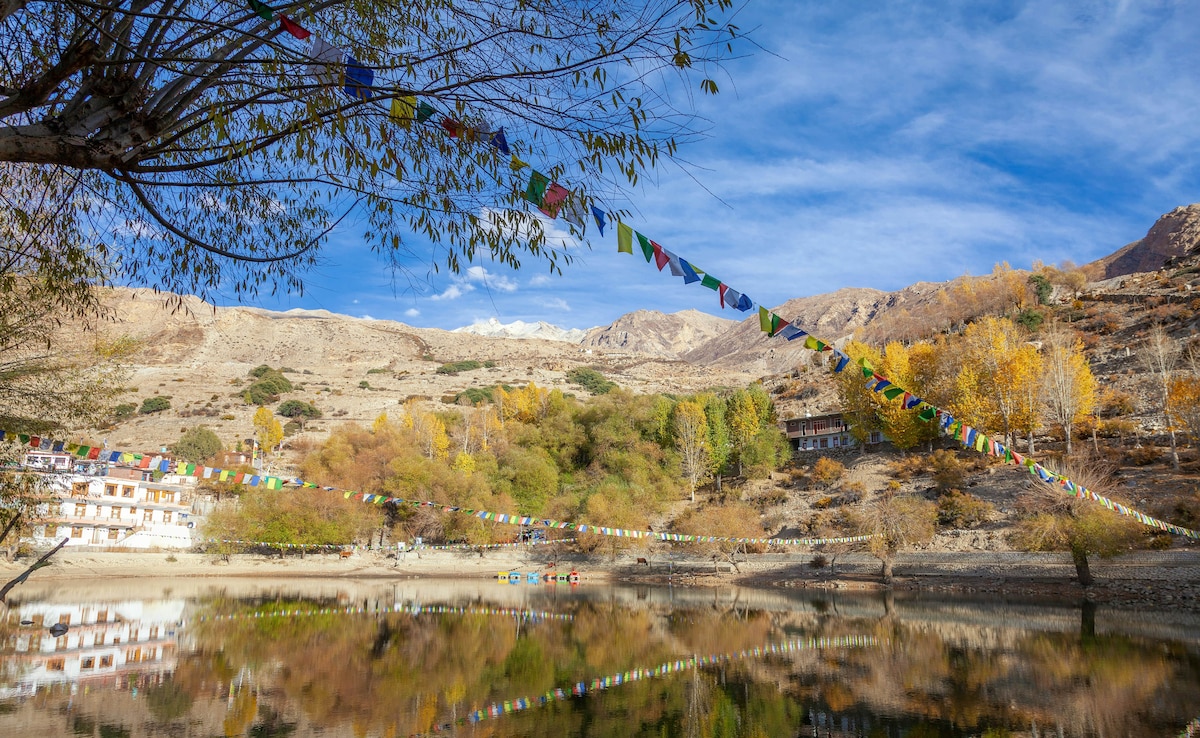
Photo: Unsplash
The lake typically freezes between late December and early February, although exact conditions depend on annual weather patterns. January is usually the coldest month, when the lake is most likely to be fully frozen.
To help plan better, here is a simple seasonal overview:
Month | Lake Condition | Travel Difficulty |
| December | Partially to fully frozen | Moderate |
| January | Fully frozen | High |
| February | Frozen with possible thaw | Moderate |
Travellers should keep buffer days in their itinerary, as snowfall can affect road access with little notice.
How To Reach Nako Village In Winter
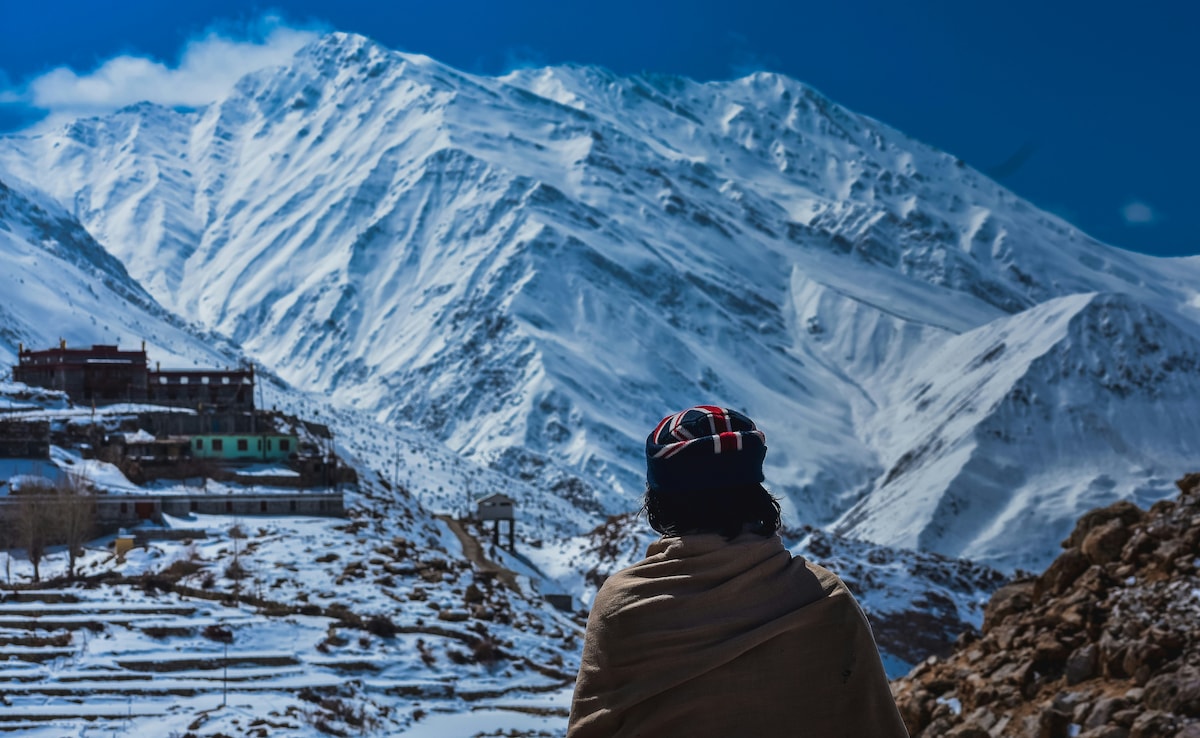
Photo: Unsplash
Reaching Nako requires careful planning, especially in colder months. The village is accessible by road via Shimla and Reckong Peo. From Shimla, the route follows the Sutlej River through Kinnaur Valley before climbing into higher, drier terrain.
In winter, road conditions can be unpredictable. Snow and ice may cause delays, and public transport services are limited. Most winter visitors rely on private taxis driven by locals familiar with mountain routes. Acclimatisation is important, as the altitude can affect travellers who ascend too quickly.
Things To Know Before Planning A Winter Trip To Nako

Photo: Unsplash
A winter visit to Nako is not spontaneous travel. Preparation makes all the difference.
Before travelling, keep the following in mind:
Carry heavy winter clothing, including thermal layers and insulated footwear
Expect basic heating and occasional power outages
Stock up on essentials before leaving larger towns
Respect local advice regarding weather and lake safety
Avoid walking on ice unless guided by locals
Food options are simple and seasonal, reflecting how the village adapts to long winters. This is part of the experience rather than a limitation.
Also Read: Beyond Srinagar And Gulmarg: 6 Offbeat Places To See Kashmir At Its Quietest
Why Nako's Frozen Lake Leaves A Lasting Impression
Nako's frozen lake is not framed by viewpoints or marked by signboards. There is no attempt to turn it into a spectacle. Its impact lies in how naturally it exists within village life, unchanged by outside attention.
For travellers who associate winter with convenience and curated experiences, Nako offers a contrast. It shows a version of the Himalayas shaped by restraint and resilience. The frozen lake is not something to conquer or perform around. It simply exists, waiting for those willing to meet it on its own terms.
Track Latest News Live on NDTV.com and get news updates from India and around the world


