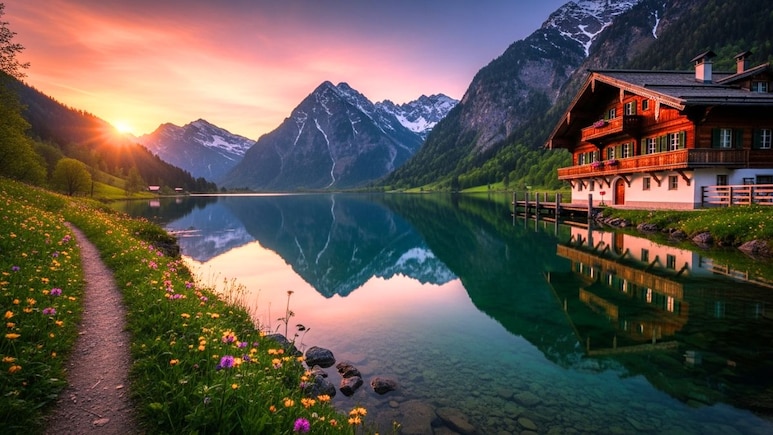
Winter in Kashmir strips the region down to its bare essentials. Roads grow quieter, movement slows, and places that stay busy for most of the year recede into silence. While Srinagar and Gulmarg continue to draw winter crowds, a very different Kashmir takes shape beyond them. Snow redraws the landscape, routines follow daylight, and travel becomes less about movement and more about stillness.
For travellers willing to step away from familiar routes, offbeat winter destinations in Kashmir offer something rare. Fewer people, stronger atmospheres and landscapes that feel personal rather than performative.
Also Read: 6 Last-Minute New Year Getaways From Delhi Perfect For Friends And Family
What Winter Changes in Offbeat Kashmir
Winter does not add drama here. It removes noise.
- Meadows lose colour but gain form and scale
- Forests feel denser and quieter under snow
- Distances feel longer, encouraging slower travel
- Daily life becomes more visible without tourist layers
Instead of packed itineraries, winter travel here is shaped by:
- Weather conditions
- Daylight hours
- Local rhythms
This shift is what makes these destinations feel more grounded during winter.
6 Offbeat Places to Visit in Kashmir During Winter:
1. Gurez Valley
Winter closes Gurez Valley off from the outside world before settling into stillness. Wooden houses sit under heavy snow, sections of the river freeze, and sound carries differently in the thin air. Habba Khatoon Peak dominates the horizon, its presence amplified by the absence of movement.
- In winter: deep snow, limited access, near silence
- Why it stands out: everyday life becomes visible without tourism layers
- Best suited for: photographers, culture-focused travellers, those seeking isolation
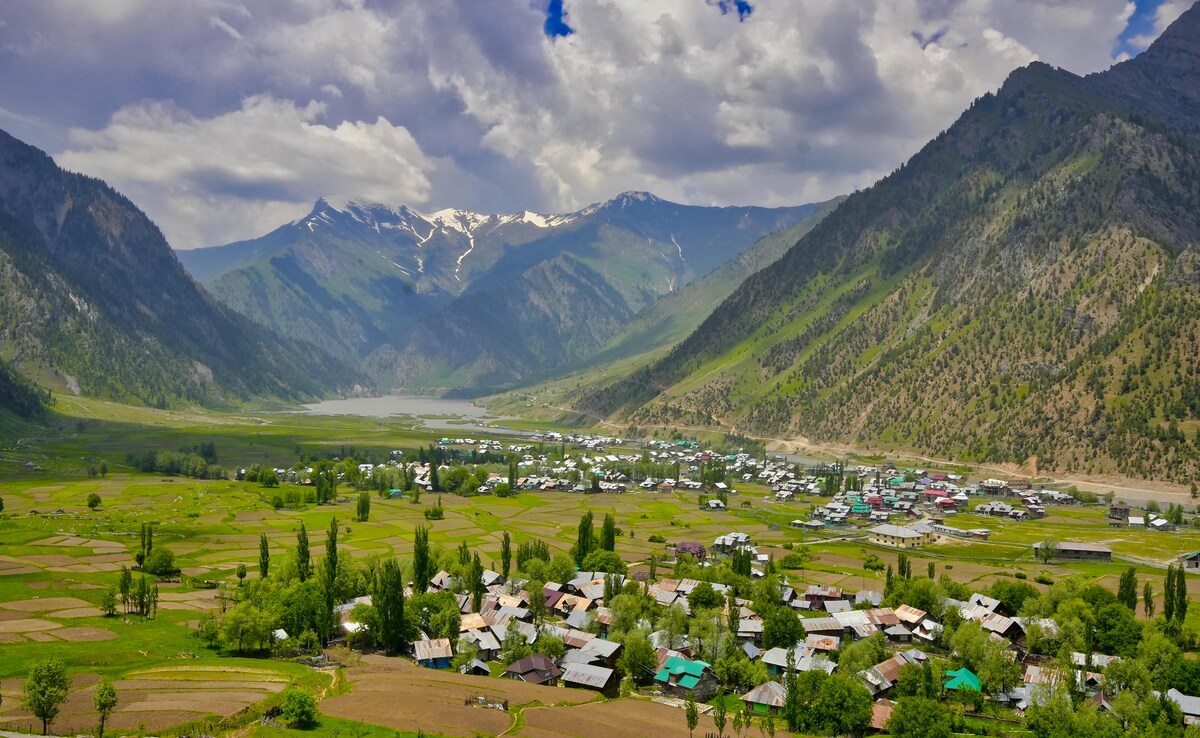
2. Yusmarg
Yusmarg in winter feels expansive and unhurried. The meadow stretches out under snow, framed by pine forests that block wind and noise. There is little to do here in the conventional sense, and that is its appeal. Walking becomes the main activity, punctuated by long pauses.
- In winter: open snowfields, calm surroundings
- Why it stands out: simplicity and space
- Best suited for: travellers seeking quiet landscapes and slow days
3. Aru Valley
Aru Valley takes on a layered, almost cinematic quality during winter. Snow settles on rooftops and trails, streams freeze mid-flow, and surrounding peaks frame the valley tightly. Despite its proximity to Pahalgam, Aru remains noticeably quieter, especially during colder months.
- In winter: frozen streams, snow-covered cottages
- Why it stands out: balance of access and atmosphere
- Best suited for: relaxed winter walks, short hikes and scenic stays
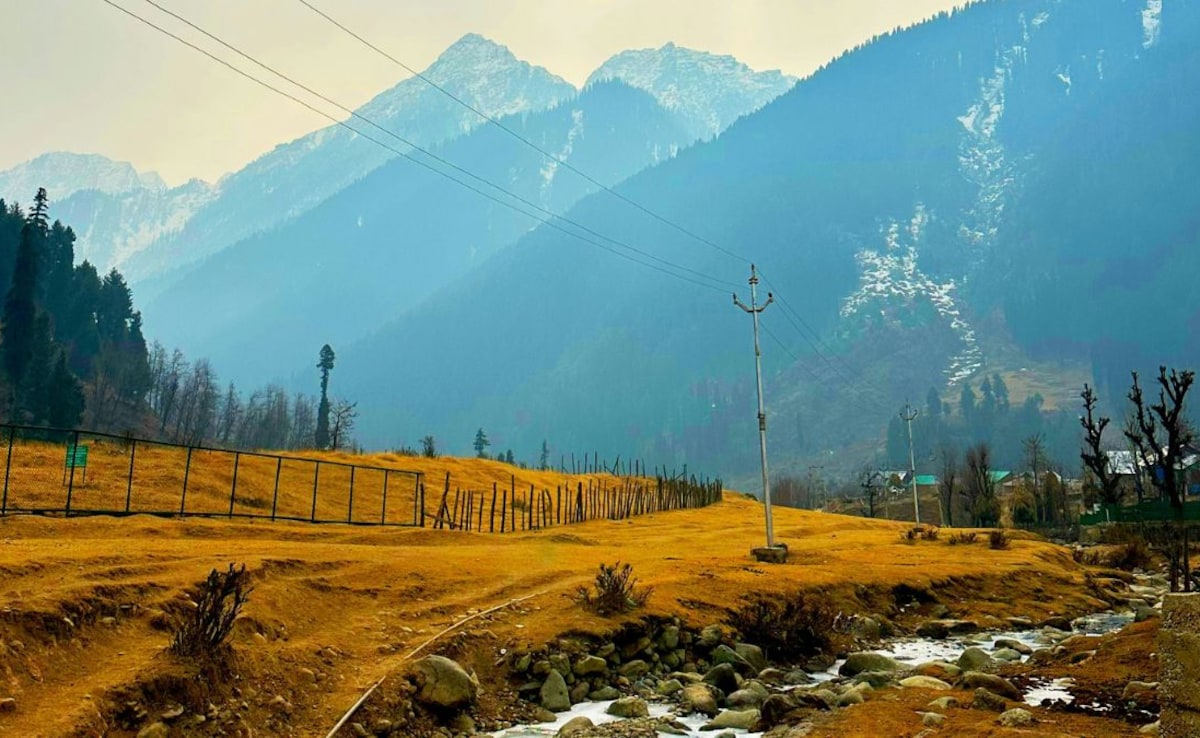
4. Aharbal Waterfall
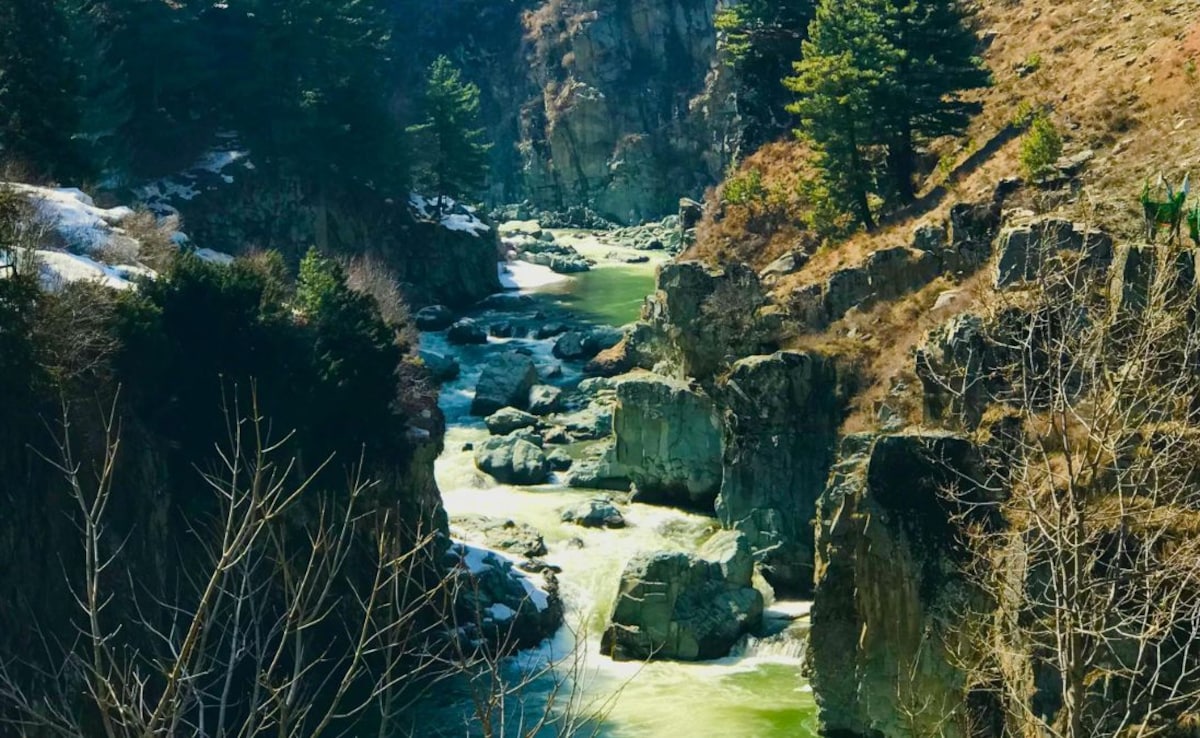
Winter changes Aharbal Waterfall from movement to form. As temperatures drop, parts of the waterfall freeze, creating ice formations along the rock face. Snow-covered forests surrounding the falls deepen the sense of stillness.
- In winter: partially frozen falls, snow-laden forest
- Why it stands out: dramatic natural formations
- Best suited for: photography and unhurried sightseeing
Also Read: Bundi, Rajasthan: The Quiet Town Near Udaipur That Most Travellers Skip And Should Not
5. Doodhpathri
Doodhpathri's wide meadows lose their green but gain a softer presence in winter. Snow flattens the landscape, frozen streams disappear under white layers, and the valley feels almost suspended. The quiet here is gentle rather than stark.
- In winter: snow-covered plains, muted tones
- Why it stands out: calm, family-friendly setting
- Best suited for: relaxed winter escapes and short visits
6. Bangus Valley
Bangus Valley remains one of the least developed regions in Kashmir, and winter reinforces its remoteness. Snowfall transforms the meadow into an uninterrupted white expanse, with little sign of human activity. Facilities are minimal, and access depends heavily on conditions.
- In winter: pristine snow, limited infrastructure
- Why it stands out: raw, undeveloped landscape
- Best suited for: experienced travellers and nature-focused visitors
How These Destinations Compare to Srinagar and Gulmarg
Srinagar and Gulmarg offer reliability in winter. Accommodation, transport and activities function within predictable systems. Offbeat destinations operate differently. Plans shift with weather, comfort levels vary, and the experience depends more on landscape than infrastructure.
| Aspect | Srinagar and Gulmarg | Offbeat Winter Destinations |
|---|---|---|
| Crowd levels | High | Low |
| Accommodation | Wide range | Limited |
| Travel pace | Structured | Weather-led |
| Experience | Activity-focused | Landscape-focused |
| Best suited for | First-time visitors | Slow and repeat travellers |
What to Expect and What Not to Expect
Travellers should expect limited accommodation options, basic dining and occasional power or network disruptions. Internet connectivity can be inconsistent, especially in remote valleys. What these destinations offer instead is space, silence and a sense of being removed from constant movement. Winter here is less about seeing more and more about staying longer with fewer distractions.
Tips to Visit Kashmir in Winter
*Track weather and road conditions daily
Winter conditions in Kashmir can change overnight. Check local weather forecasts and road status updates regularly, especially when travelling to valleys and higher-altitude areas. What is accessible one day may not be the next.
*Dress for long hours outdoors, not just cold temperatures
Layering matters more than heavy clothing. Thermal innerwear, insulated jackets, waterproof footwear and gloves are essential, particularly when walking through snow or waiting in cold conditions. Avoid relying on fashion winterwear alone.
*Factor in daylight hours when planning your day
Winter days are short, and travel after sunset can be slower and colder. Plan sightseeing and transfers earlier in the day to avoid fatigue and poor visibility.
*Rely on local drivers and guides in remote areas
Local knowledge becomes crucial in winter. Drivers and guides understand terrain, snowfall patterns and alternative routes, especially in destinations like Gurez Valley and Bangus Valley.
*Build buffer days into your itinerary
Snowfall and road closures are part of winter travel in Kashmir. Keeping extra days in your plan reduces pressure and allows the journey to unfold naturally rather than feeling rushed.
*Prepare for limited connectivity and power supply
Mobile networks and internet access can be unreliable in remote regions during winter. Carry offline maps, keep devices charged and avoid work-dependent travel plans in areas with weak connectivity.
*Choose accommodation with heating and basic winter facilities
Confirm heating arrangements before booking, especially in homestays and smaller hotels. Warm bedding, hot water and electricity make a significant difference during colder nights.
What Winter Weather Is Like in Kashmir
Winter weather in Kashmir is defined by cold temperatures, snowfall and reduced daylight hours. Conditions vary by altitude and location, with higher valleys experiencing harsher weather than central regions.
December:
Early winter brings dropping temperatures and the first major snowfall in many areas. Roads may begin to close intermittently, especially in higher-altitude regions. Landscapes start turning white, but accessibility can still be manageable.
January:
This is typically the coldest month in Kashmir. Heavy snowfall is common, and temperatures often drop well below freezing at night. Many offbeat destinations feel cut off during this period, but the scenery is at its most striking.
February:
Snow remains thick across most regions, but daylight hours slowly increase. Weather conditions can fluctuate, with occasional clear days between snow spells. Travel is possible, but flexibility remains essential.
What to keep in mind:
- Temperatures can change sharply between day and night
- Snowfall can disrupt travel plans without much notice
- Higher-altitude valleys experience colder and more prolonged winter conditions
Understanding winter weather patterns helps travellers plan realistically and choose destinations that match their comfort level and travel experience.
Track Latest News Live on NDTV.com and get news updates from India and around the world


