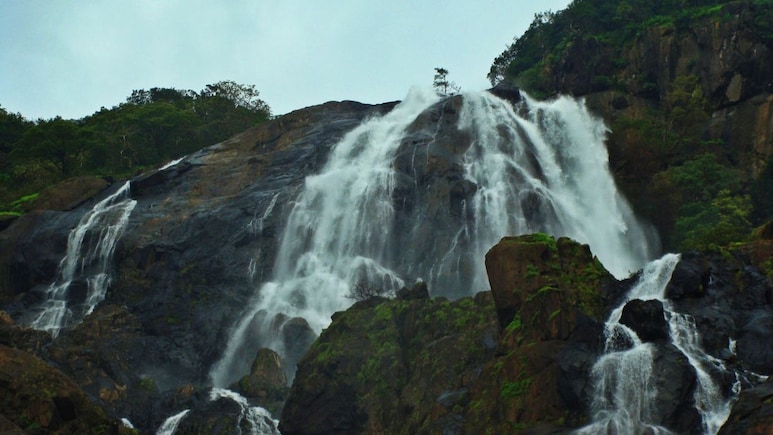
Goa's waterfalls are at their best during the monsoon. The rain transforms the state into a lush green paradise, inviting thousands of tourists to famous waterfalls to swim, splash around, click pictures, and even try adventurous cliff jumps. But this season, you cannot do that.
The South Goa District Administration has issued a strict order banning people from swimming, bathing, diving, cliff-jumping, or entering the water at waterfalls, rivers, lakes, abandoned quarries, and other natural water bodies for the next 60 days. Those who break this legally binding order may be subject to police action. An FIR could also be filed against them.
Goa Bans Swimming At Waterfalls After Rise In Drowning Incidents
DM South Goa, prohibits swimming, bathing or entering waterfalls, abandoned quarries, rivers, lakes and other similar natural water bodies in the jurisdiction of South Goa District for 60 days, subject to certain conditions. pic.twitter.com/0M6ubZPJNc
— DIP Goa (@dip_goa) June 29, 2026
The decision comes after repeated drowning incidents in South Goa during the monsoon. According to the district administration, every rainy season brings a significant rise in accidents at natural water bodies. Despite warning signs, public awareness campaigns, and repeated appeals from authorities, many visitors continue to take risks by entering flooded rivers and waterfall pools. Officials say these dangerous situations have forced them to take stronger action this year.
Also Read: Inside The Luxury Italian Hotels Dua Lipa And Callum Turner Chose For Their Honeymoon
However, the waterfalls themselves are not closed. Tourists are still welcome to visit these scenic spots, enjoy the views, and take photographs. But entering the water in any form is completely banned. That means you cannot swim under a waterfall, take a quick dip, or even stand in the water.
New Monsoon Rules Explained
A waterfall that looks calm and inviting can turn dangerous within minutes. Heavy rain upstream can suddenly increase the water flow without warning. Rocks become extremely slippery, water levels rise rapidly, and powerful undercurrents can pull people underwater before they even realise what's happening.
Officials have also pointed out that many natural pools have uneven depths. Hidden rocks, loose ground, fast-moving currents, and poor visibility make these locations far more dangerous than they appear. Rescue operations during the monsoon are also challenging, as heavy rainfall, slippery ground, and strong currents make it difficult for emergency teams to reach people quickly.
Also Read: UAE Visa-On-Arrival Rules Have Changed. Are You Still Eligible?
The order has been issued under Section 163 of the Bharatiya Nagarik Suraksha Sanhita (BNSS), 2023. If someone ignores the warning and enters the prohibited water bodies, the police can register an FIR and initiate legal proceedings.
Track Latest News Live on NDTV.com and get news updates from India and around the world


