
Japan is seeing a sharp rise in Indian visitors, with tourism from India to the country almost doubling every year, according to Zubin Karkaria, founder and CEO of VFS Global.
Speaking at the NDTV World Summit 2026 in New Delhi, Karkaria discussed the destinations Indians are choosing, why international travel is becoming more accessible, and how technology could change the experience of crossing borders.
-

-
 At NDTV World Summit, Palestinian Envoy's Amitabh Reference For India Visit
-
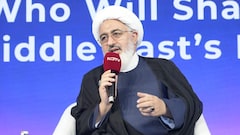 Why "Healthy" Mojtaba Can't Appear In Public, Reveals Iranian Diplomat
-
 A Region in Flux: Who Will Shape the Middle East’s Future?
-
 "It's A Genocide": Palestine Ambassador On Conflict With Israel
-
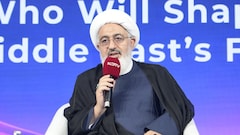 Iranian Diplomat On The Human Cost Of War: 'Parents Are Still Crying'
-
 Anarchy Or Change? Nepal Minser's Lesson From Nepal's Gen Z Movement
-
 Why 'Healthy' Mojtaba Khamenei Can't Appear In Public, Reveals Iran Diplomat
-
 'Needs Very Rapid New Concept Of Warfare': Ex-CIA Chief's Advice To India
-
 'US Never Apologised': Iran Diplomat On Primary School Bombing
-
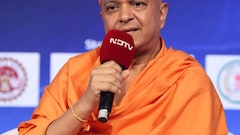 AI Divine, AI Gods And Phantoms: BAPS Monk's Warning At NDTV World Summit
Japan Is A Growing Favourite Among Indian Travellers
Karkaria pointed out Japan as a destination that has been doing particularly well in recent years. "If you look at, I think the destination that is doing extremely well recently, which I've seen, is Japan," he said.
He pointed to affordability as one reason for its growing popularity. "Yes, it has become cheaper than five years ago, but now Japan is increasingly becoming popular." Karkaria said tourism from India to Japan was "almost doubling every year".
According to Karkaria, travel preferences depend on how much exposure a person has had to international destinations. "First-time travellers always prefer to go on a tour operator tour where they can see as much as possible in 14 days," he said, giving the example of seeing much of Europe on a two-week trip.
As travellers gain more experience, their interests can become more specific. Rather than trying to cover several destinations in one trip, they may plan holidays around food, art or culture. "The exposed traveller can go for culinary, for art, for culture," Karkaria said.
India Is An Important Market For Global Tourism
Karkaria described India as one of VFS Global's largest markets. He also highlighted the country's young population, growing talent pool and increasing disposable incomes. "I'm very bullish," he said of India's prospects.
He pointed to the demand for skilled workers around the world, estimating that the world would need around 30 to 40 million by 2030. India's young workforce, entrepreneurship and educational institutions could help meet that demand.
India is also an important source of international tourists. Karkaria noted that travel supports more than tourism alone, benefiting trade and economies and giving students opportunities to travel. He linked the growth in overseas travel to changing economic circumstances. Recalling the restrictions on foreign exchange in the 1980s, he said Indians could take only limited amounts of foreign currency abroad.
Today, rising disposable incomes have made international travel an aspiration for more people.
India To Host WTTC Tourism Conference In 2027 Karkaria also announced that the World Travel & Tourism Council (WTTC) would hold its tourism conference in New Delhi in 2027.
He said the organisation had considered 22 other countries and destinations before choosing India. He credited the Union Minister of Tourism and Culture's efforts with helping secure the event.
Also Read: NDTV And VFS Global Announce 100 Media And Communications Scholarships Over 10 Years
Will International Travel Become Easier By 2035?
Technology could make airport and immigration procedures faster, but Karkaria does not expect international borders to disappear. "Technology, AI will really help to make it, I would say, frictionless and seamless," he said.
He explained that electronic passports can help speed up identity checks, but the destination country must also have the technology to process them. Biometrics are another part of the process. Travellers may provide fingerprints during a visa application and have them checked again on arrival. Karkaria expects these procedures to become more seamless over time.
He pointed to Dubai Airport's smart tunnel as an example. Eligible travellers can walk through the system without taking out their passport or boarding pass at that stage.
But faster processing does not mean fewer border controls. "Will it be borderless? No. Unfortunately not," he said.
Track Latest News Live on NDTV.com and get news updates from India and around the world


