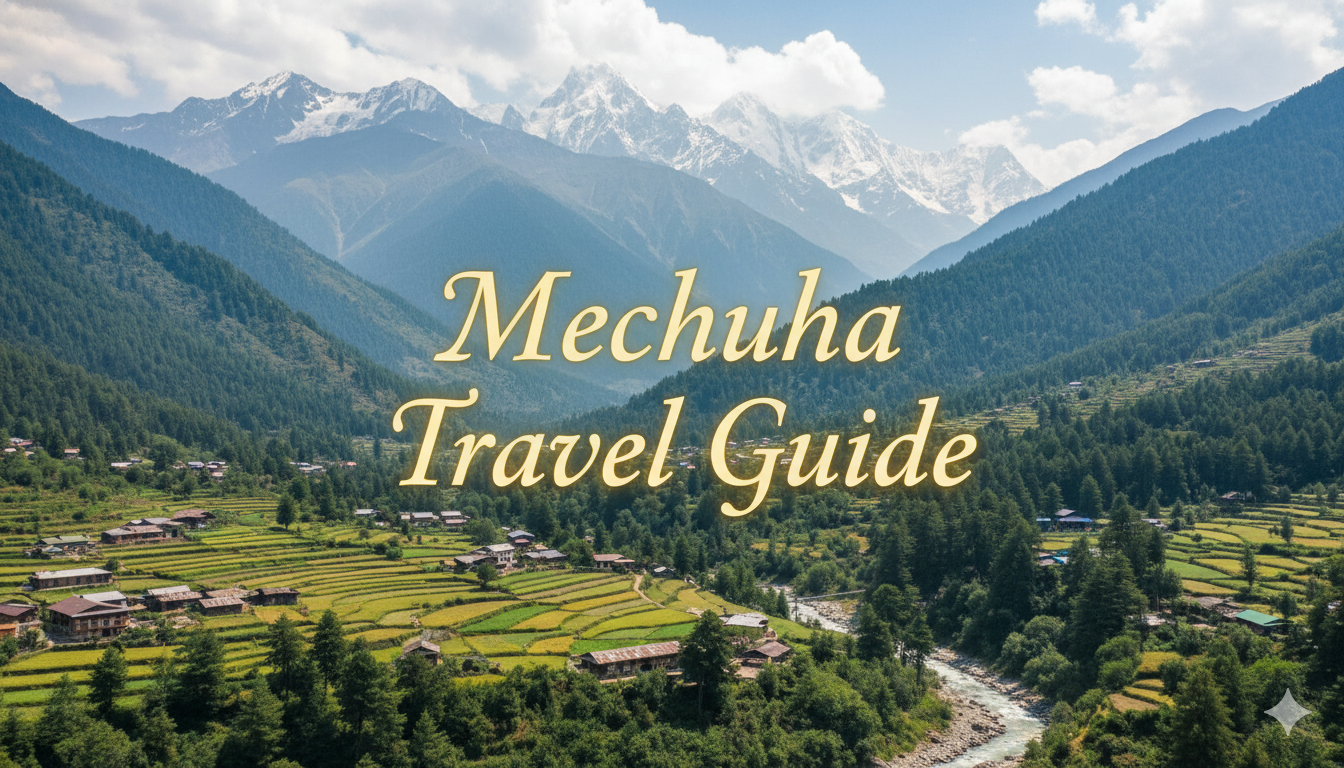
Some places are made for checklists. Mechukha is not one of them. This little Himalayan valley in Arunachal Pradesh feels like it was designed for people who are tired of rushing everywhere. The kind of place where you actually notice the sound of a river, the crunch of frost under your shoes, and the way clouds wrap lazily around the mountains. Sitting close to the India-China border, Mechukha (also spelt Menchukha) still feels remote, almost secret. No malls, no traffic, no “top 10 things to do” pressure. Just wide valleys, wooden houses, kind people and a pace of life that nudges you to slow down. If you're craving a trip where you can breathe deeper instead of “doing more”, this valley is exactly that.
Also Read: 6 Common Mistakes Travellers Make At Railway Stations (And How To Avoid Them)
Where Exactly Is Mechukha?
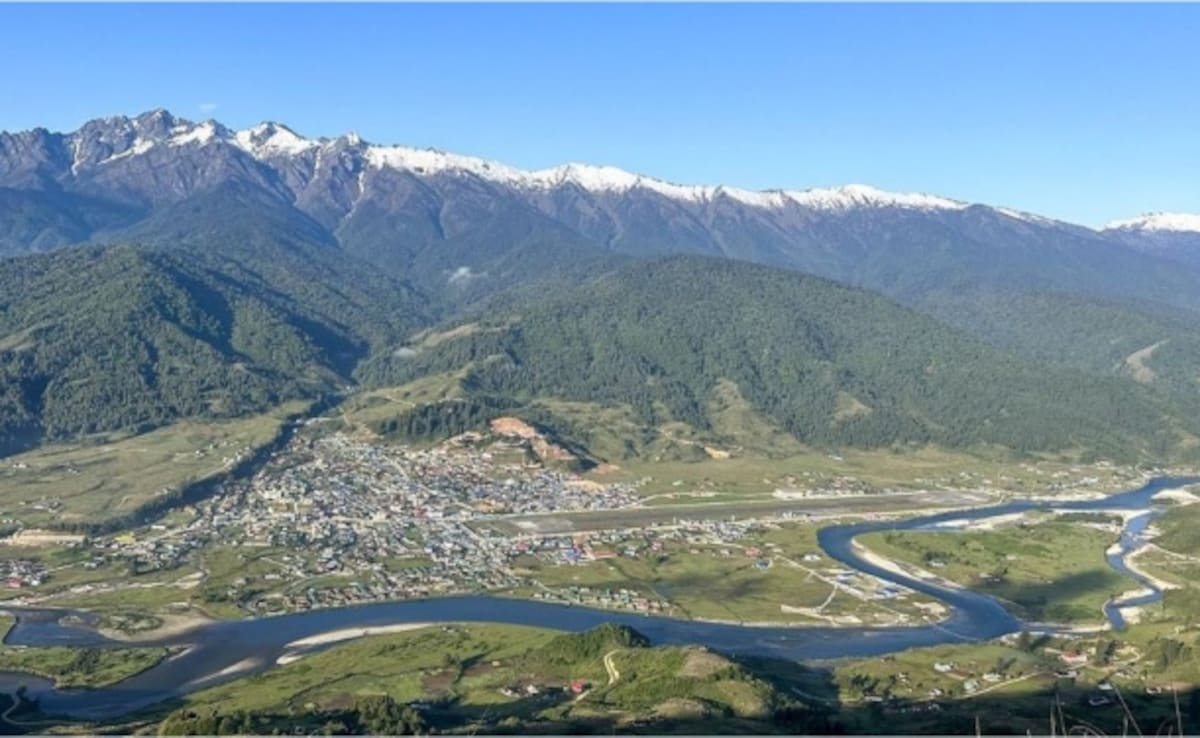
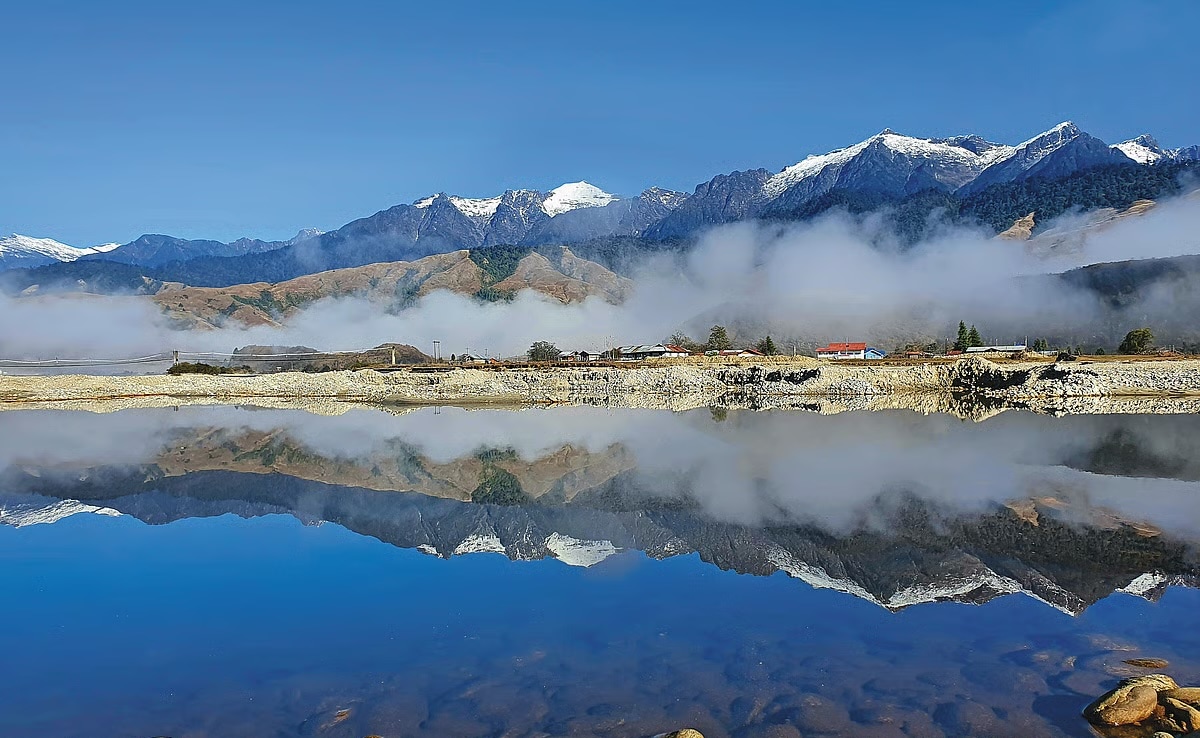
Mechukha sits at about 6,000 ft in the Shi-Yomi district of Arunachal Pradesh, surrounded by pine-covered hills, thorny shrubs and snow-capped peaks. The Siyom river (called Yargyap Chu locally) cuts through the valley, giving it that cinematic, cold-river-in-the-mountains look and feel. With a population under 10,000, it genuinely feels like a small town where everybody still recognises each other.
It's also strategically important, lying around 29 km from the India-China border. You'll see the odd Army truck, but mostly, you'll see grazing horses, kids walking to school, and smoke rising from traditional homes.
How to Get There: Air, Train and Road
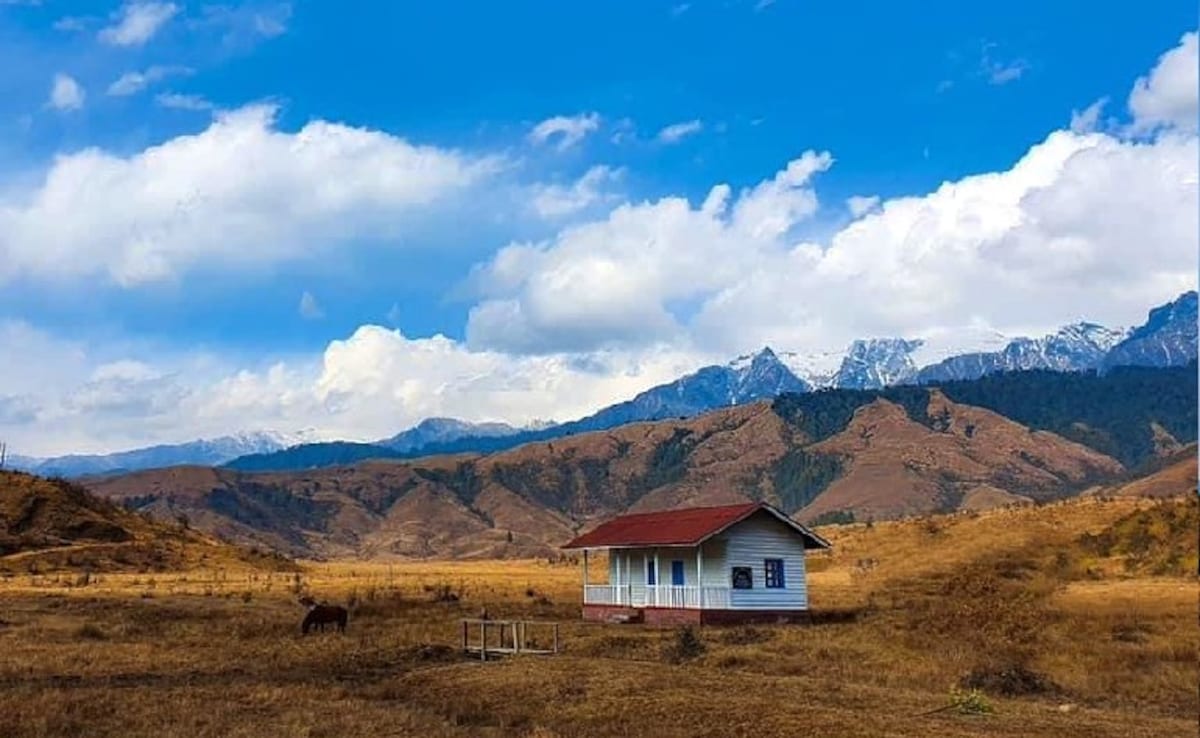
Reaching Mechukha is not plug-and-play travel. That's part of the charm. It takes time, but the journey itself slows you down.
By Air
The nearest major airport is Dibrugarh (DIB) in Assam. From there:
- Drive Dibrugarh → Silapathar → Aalo (Along) → Mechukha
- Total distance: roughly 400 km
- Best done over two days (Dibrugarh to Aalo day one, Aalo to Mechukha day two)
Some tour operators start their Mechukha trips from Dibrugarh. You land in the morning, drive to Aalo, stay overnight, and then proceed to Mechukha the next day.
By Train
The nearest railway stations are:
- Murkongselek (Assam) – closest to Pasighat
- Silapathar – another good option
- Naharlagun (near Itanagar) – connected to Delhi twice a week from Anand Vihar.
Typical route from Guwahati:
- Guwahati → Murkongselek / Silapathar by train
- Murkongselek / Silapathar → Pasighat → Aalo by road
- Aalo → Mechukha by shared Sumo or private car
By Road
Mechukha is connected by road via Aalo (Along):
- Aalo to Mechukha: ~180–190 km, 6–8 hours depending on road conditions
- Roads are narrow, often rough, but insanely scenic.
Expect waterfalls, valleys, and a lot of twists and turns.
From Itanagar or Pasighat, you get shared Sumos to Aalo, then onward shared vehicles or private taxis to Mechukha.
Permits: Indian travellers need an Inner Line Permit (ILP) for Arunachal Pradesh. You can apply online or at designated counters in Guwahati, Delhi, Kolkata and Itanagar. Foreigners need a Protected Area Permit (PAP).
The People and Culture: Memba, Bokar and More
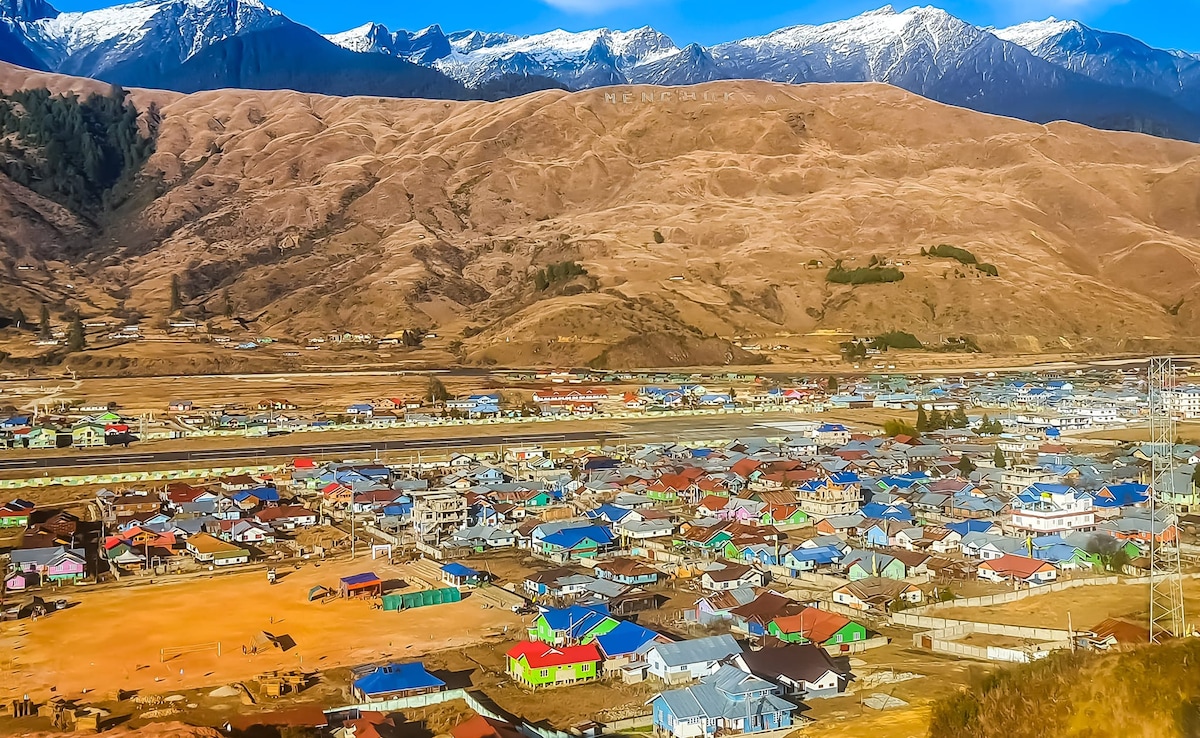
Mechukha is home to several tribes, mainly the Memba and Bokar communities, with influences from Tibetan Buddhism and local animist traditions. Walk through nearby villages like Darjeeling, and you'll see:
- Traditional wooden houses with slate roofs
- Prayer flags fluttering in the wind
- Monasteries painted in bright reds, yellows and whites
- Fields of barley, millet and maize
Life here is still deeply linked to the land. People farm, keep livestock, and gather forest produce. Festivals, rituals and food are all tied to seasons and the landscape.
Locals are warm, curious and proud of their valley. In homestays, it's normal to be treated like extended family rather than paying guests. Expect long chats over butter tea, stories about spirits in the mountains, and quiet kindness that stays with you long after you leave.
Also Read: 6 Countries Where You Can Travel Without Buying A Single Water Bottle
Food: Simple, Slow and Straight from the Land
If you're expecting multi-page menus and fancy plating, you're in the wrong place. Food in Mechukha is simple, earthy and deeply comforting.
Must-Try Local Dishes
- Thukpa: Hearty noodle soup with meat or vegetables in a rich broth. Perfect for cold evenings.
- Handmade Noodles: Often pressed with wooden tools and cooked with local greens or meat.
- Yak meat stew/dishes with churpee (yak cheese): Rich, fatty and ideal for the altitude and chill.
- Deboga: Pork or other meats cooked with fermented bamboo shoots and local herbs.
- Khabsey: Deep-fried crunchy snack, slightly sweet, usually served with tea.
- Paa: Millet bread, dense but filling, often eaten with stews.
Many of these are cooked on wood fires in clay pots, which adds a natural smoky flavour you can't replicate with modern cookware.
For vegetarians, there are plenty of options: veggie thukpa, potato dishes, bamboo shoot curries and grain-based snacks.
Things to Do, Or Not Do In Mechukha
1. Just Be in the Valley
Honestly, one of the best things to “do” in Mechukha is nothing. Wake up slowly. Watch the fog lift off the mountains. Walk along the Siyom River. Sit with a cup of tea and just stare at the landscape changing colours through the day.
2. Visit Samten Yongcha Monastery
This 400-year-old Buddhist monastery sits on a hill overlooking the valley. The views are spectacular. The monastery itself is quiet, with old statues, prayer wheels and an atmosphere that instantly slows your mind down.
3. Gurudwara Guru Nanak Taposthan
Surprise: there is a Gurudwara here. Locals believe Guru Nanak meditated in this area while travelling to Tibet. The Gurudwara is simple, serene, and surrounded by water and mountains. The walk down to it and the time spent sitting by the stream are incredibly peaceful.
4. Hikes and Short Treks
If you feel like stretching your legs:
- Valley walks along the river
- Hike to Menchukha La for a bird's-eye view of the town and snow peaks (around 5 hours round trip from town, easy–moderate)
- Short hikes to suspension bridges and village trails
The terrain is gentle enough for beginners but scenic enough to keep experienced trekkers happy.
5. Adventure Extras (If You Want)
Mechukha is slowly becoming an adventure spot too. During festivals and events, there is:
- Ziplining
- Mountain biking
- Rafting
- Paragliding
If you're more of a slow traveller, you can ignore all of this and just wander.
Where to Stay In Mechukha
Homestays are the heart of Mechukha tourism. You get:
- Simple rooms with warm blankets
- Home-cooked meals
- Real conversations with locals
- A sense of belonging
There are a few basic hotels and guest houses as well, but homestays are where you really feel the soul of the place.
Book ahead during festivals like the Mechuka Adventure Festival or peak holidays. Outside that, it's usually easy to find a room on arrival.
When to Visit Mechukha
- October to March: Cold, clear skies, snow on higher peaks, perfect valley views.
- April to June: Pleasant days, blooming landscapes.
- Monsoon (July–September): Roads can be tricky, landslides possible. Less ideal unless you love dramatic clouds and don't mind delays.
Why Mechukha is Built for Slowing Down
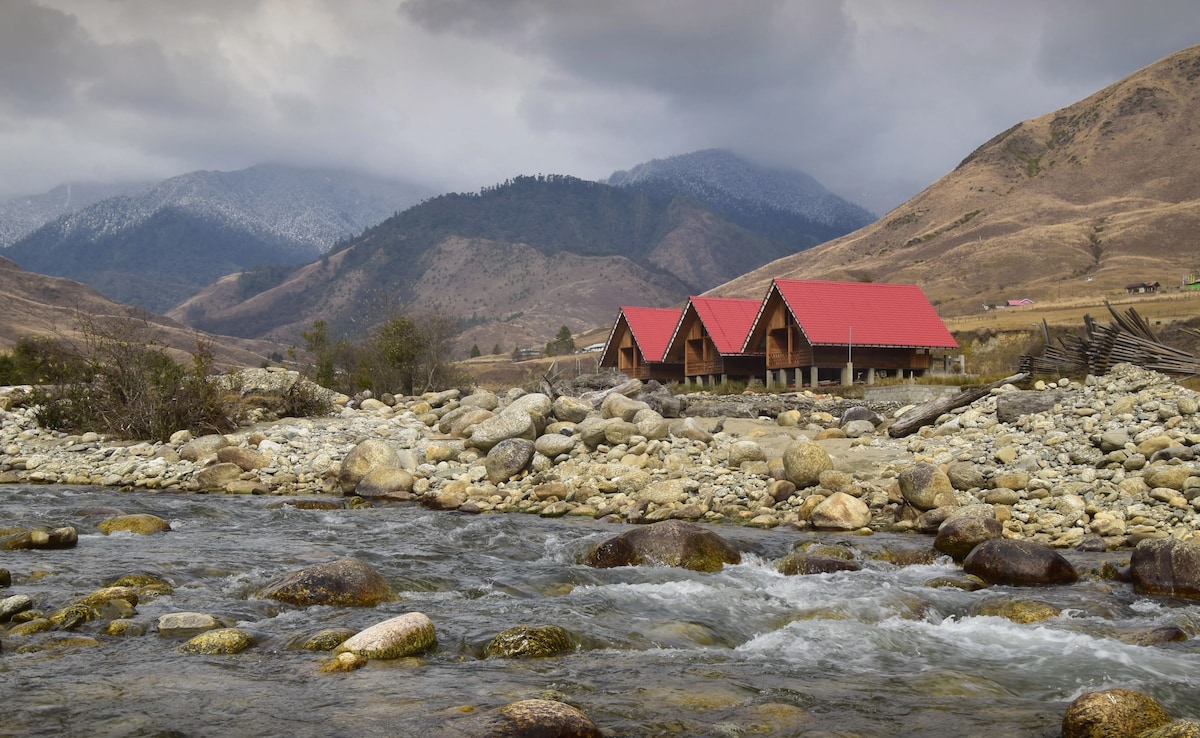
A lot of destinations sell “slow travel” as a concept. Mechukha simply lives it.
- There's no packed checklist. You can repeat the same walk every day and still notice something new.
- The network is patchy in many places; scrolling automatically takes a backseat.
- Food is slow-cooked, not quick-delivery.
- Conversations aren't rushed. People talk, listen, and linger.
- The journey to reach the valley itself forces you to drop your usual hurry and accept the pace of the mountains.
It's the kind of place that quietly resets your nervous system.
Also Read: How To Plan A Budget-Friendly Manali Trip Under Rs 10,000
Practical Tips
- Clothes: Pack layers. Mornings and evenings can be very cold even when days feel mild.
- Shoes: Comfortable walking shoes; you'll be on your feet a lot.
- Cash: ATMs are limited or non-existent. Carry enough cash.
- Connectivity: Don't depend on strong mobile data. Consider this a feature, not a bug.
- Local Guides: Hiring a local guide helps with stories, navigation, and supporting the community.
Mechukha is not the place you go to “do” lots of things. It's the place you go to feel things again. The cold of the river on your fingers. The warmth of a wood stove. The quiet buzz of a village evening. A bowl of thukpa that tastes like someone cooked it thinking of you, not your Instagram feed. In a world that constantly tells us to move faster, this Himalayan valley gently suggests we slow down, look up, and breathe. If you are ready for a trip that softens rather than overstimulates you, Mechukha is waiting, in no hurry at all.


