

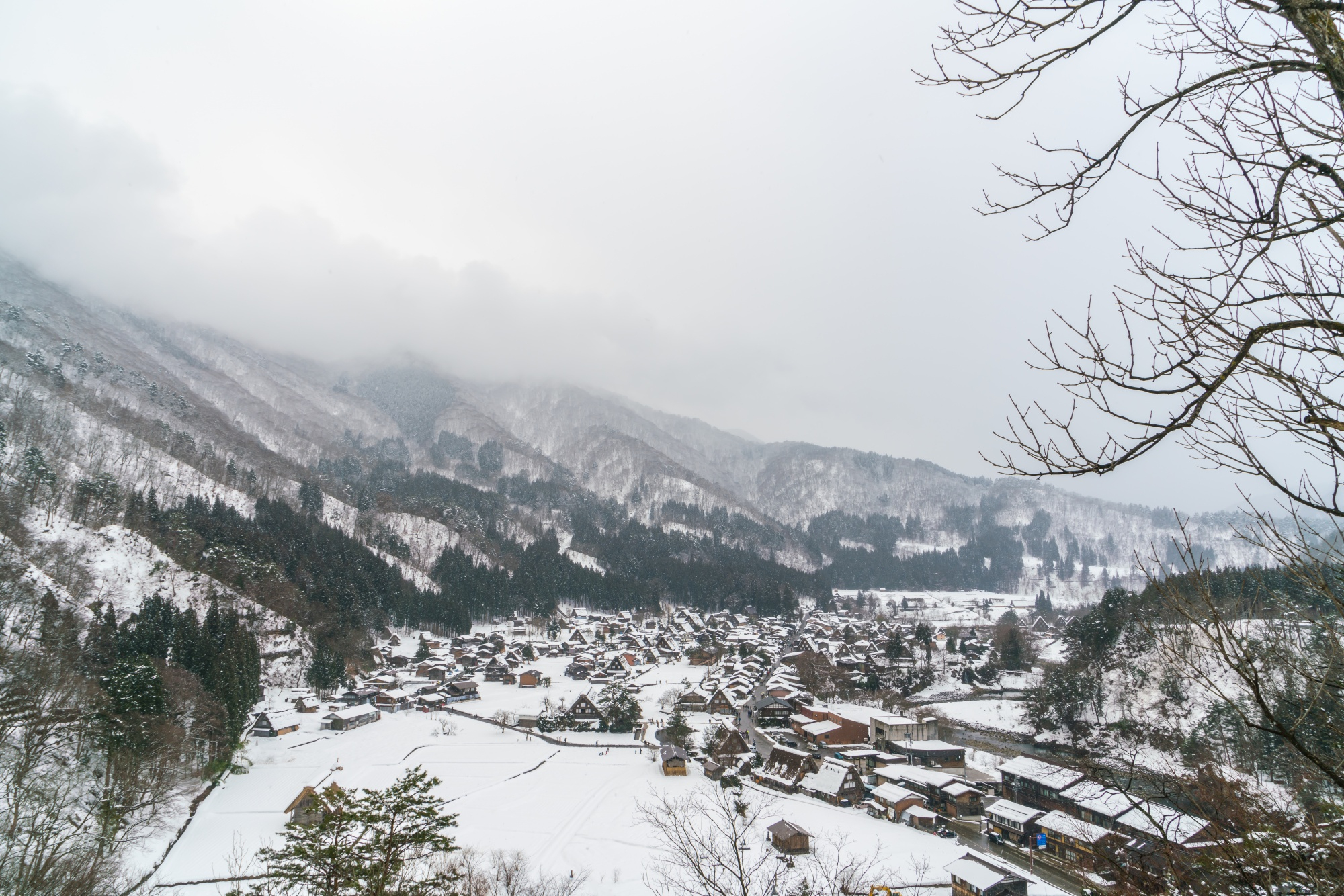
)
Darma Valley is nestled in the Pithoragarh district of Uttarakhand, India, which is popular for its snow appeal. With a rising interest in Himalayan snow treks, more and more people are visiting Darma Valley for their dense snow sports. While visiting a snowy place seems thrilling, there are various health risks associated with high-altitude places that need active preparation. From hypothermia and frostbite to altitude sickness and respiratory concerns, the cold, dry air is a source of concern. The environment in Darma valley poses challenges, as the Himalayas have erratic snowfall patterns, and climate change impacts how reliable the snow projections are for preparation. Here are the health concerns that you should be aware of in order to prepare yourself with taking the necessary precaustions that can help prevent major health problems while visiting the valley.
4 Health Concerns That You Should Be Aware Of
1. Hypothermia
This is a health condition wherein the body loses heat faster than it can produce it. It is known to happen when people visit extremely cold temperatures and can be fatal if immediate medical attention is not given. The normal core body temperature is around 35 degrees Celsius or Fahrenheit, and when it drops to dangerously low levels, the nervous system and other body organs can't work as well as they usually do. Hypothermia is known to happen when the body is exposed to extremely cold temperatures, or immersion in cold water can also lead to it. According to Frontiers in Medicine, the review flags that the duration of hypothermia can increase exposure to serious diseases. Then seeking medical aid on time matters.
The main treatment for hypothermia is implementing body-warming methods to increase the body temperature to the biologically needed level.
2. Frostbite
This health concern can be characterised when the skin becomes reddish, signalling damage due to exposure to extremely cold temperatures. It occurs at any part of the body, starting from the hands and toes, and can even impact the face, cheeks, chin, ears, and nose. The formation of ice crystals in the tissues can lead to damage in healthy skin tissue, leading to serious health issues. There are clear symptoms of frostbite that occur, which should be taken seriously, and medical aid is needed for treatment. As mentioned in the Journal of Burn Care and Research, there are guidelines in place to treat adults who experience frostbite. Before treating them, knowing which of these symptoms are important is important:
- Numbness
- Redness
- Swelling Blisters
- Blisters
Severe cases of frostbite can lead to permanent damage or tissue loss.
Also Read: Delhi's Breathing Crisis: How Respiratory Disease Has Become A Major Killer
3. Altitude Sickness
This condition happens when the human body doesn't have time to adjust to the oxygen levels in high altitudes. It is preventable and treatable when caught early, but if it is severe, then it turns into a life-threatening condition. If you experience any of these symptoms, then you need to pause your climb and stop the symptoms from worsening. There are three types of ways that altitude sickness can happen to you, as per the Lancet journal; these are as follows:
- Acute mountain sickness (AMS) is the mildest and most common form of altitude sickness.
- High altitude pulmonary oedema (HAPE) is a type of altitude sickness that affects your lungs, causing them to fill with fluid. The inability to breathe aspect of this sickness is why you need immediate medical help, as it can turn fatal quickly.
- High altitude cerebral oedema (HACE) is another severe form of altitude sickness wherein the lack of oxygen causes your brain to swell.
Note: Altitude sickness is common among people who are unable to breathe in high-altitude areas, so taking necessary precautions for safety matters.
4. Respiratory Issues
There are various respiratory issues that are associated with visiting high-altitude areas, which need immediate attention. The respiratory issues can range from serious heart-related events such as abnormal heartbeat, pulmonary embolisms (caused byheartbeats, blockages in arteries), and many other respiratory problems. As mentioned in the Journal of the International Union against Tuberculosis and Lung Disease, respiratory infections are common in people who visit high-altitude areas.
Precautionary Measures For Travellers
There are precautionary measures that travellers need to take for safety and to maintain their health. Here are the measures needed:
- Wearing proper clothing and layering according to the temperature outside and inside the premises.
- Hydration and nutrition are paramount, as a well-hydrated and nutritionally sound body can regulate temperature in a better manner.
- Acclimatisation strategies need to be practised to make your body used to the low temperatures outside.
These serious health concerns confirm that people need to balance adventure and safety. And take the necessary precautions to be safe and secure, health-wise.
Disclaimer: This content, including advice, provides generic information only. It is in no way a substitute for a qualified medical opinion. Always consult a specialist or your own doctor for more information. NDTV does not claim responsibility for this information.