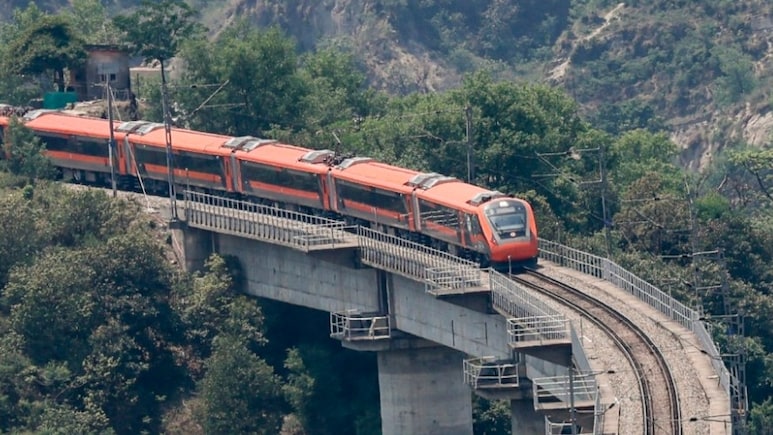
Jammu and Kashmir's railway connectivity is entering a new phase. The maximum permitted speed on the Katra-Banihal section of the Udhampur-Srinagar-Baramulla Rail Link (USBRL) has now increased from 75 kmph to 100 kmph. The upgrade is expected to further improve travel between Srinagar and Katra, a challenging mountainous terrain.
Speaking to NDTV, Vineet Abhishek, Chief Public Relations Officer (CPRO) of Western Railway, highlighted the broader significance of the Chenab Bridge and the railway network in connecting Jammu and Kashmir with the rest of the country.
Beyond passenger movement, the connectivity is strengthening the transportation of agricultural produce, improving access to essential commodities and opening new opportunities for trade and tourism.
How Vande Bharat Is Changing The Kashmir Travel Experience
For years, road journeys through Jammu and Kashmir have been vulnerable to landslides, heavy snowfall, traffic congestion and highway closures. The rail connection offers passengers an alternative that is less dependent on road conditions. Now, the speed upgrade is expected to improve journey times further.
During NDTV's ground report from Srinagar aboard the Vande Bharat Express, passengers spoke about the difference the service has made to travel in the region. One long-term resident, who has worked in Jammu and Kashmir since 2006, described the railway connection as a remarkable change from the difficult road journeys of the past.
He recalled how landslides, heavy snow and traffic jams could turn road travel into an exhausting, prolonged journey. The Vande Bharat, he said, has made the experience more comfortable, while the increase in the permitted train speed from 75 kmph to 100 kmph marks another step forward.
Reflecting on the scale of the infrastructure development, the passenger said that when he first arrived in the region, the prospect of running trains through such difficult terrain had seemed almost unimaginable.
Vande Bharat Saving Travel Time
The Srinagar-Katra connection has reduced travel time to approximately four to five hours, offering a faster alternative for commuters, tourists and other travellers. The railway line also provides an alternative when road connectivity is disrupted by adverse weather, although train operations remain subject to railway conditions.
Also Read: Chenab Rail Bridge To Be New Tourist Destination In Jammu And Kashmir
How Rail Connectivity Is A Boost For Kashmir's Farmers And Businesses
The economic impact of the railway link extends well beyond tourism and passenger convenience. Kashmir's horticulture sector, particularly its apple industry, stands to benefit from faster and more efficient transportation to markets across India.
Railway transportation can help reduce freight expenses, transit damage and spoilage, protecting the value of perishable produce. Improved connectivity also facilitates the movement of essential commodities, including cement and milk products, into the region.
In his interaction with NDTV, Western Railway CPRO Vineet Abhishek underlined the role of the Chenab Bridge and the railway connection in supporting regional economic growth. By linking local producers and businesses to wider markets, the network can strengthen trade, improve supply chains and create opportunities for livelihoods.
Better accessibility is also expected to support tourism-related businesses, including hotels, taxis, houseboats and local handicraft enterprises.
Chenab And Anji Bridges: Engineering Behind The Connectivity
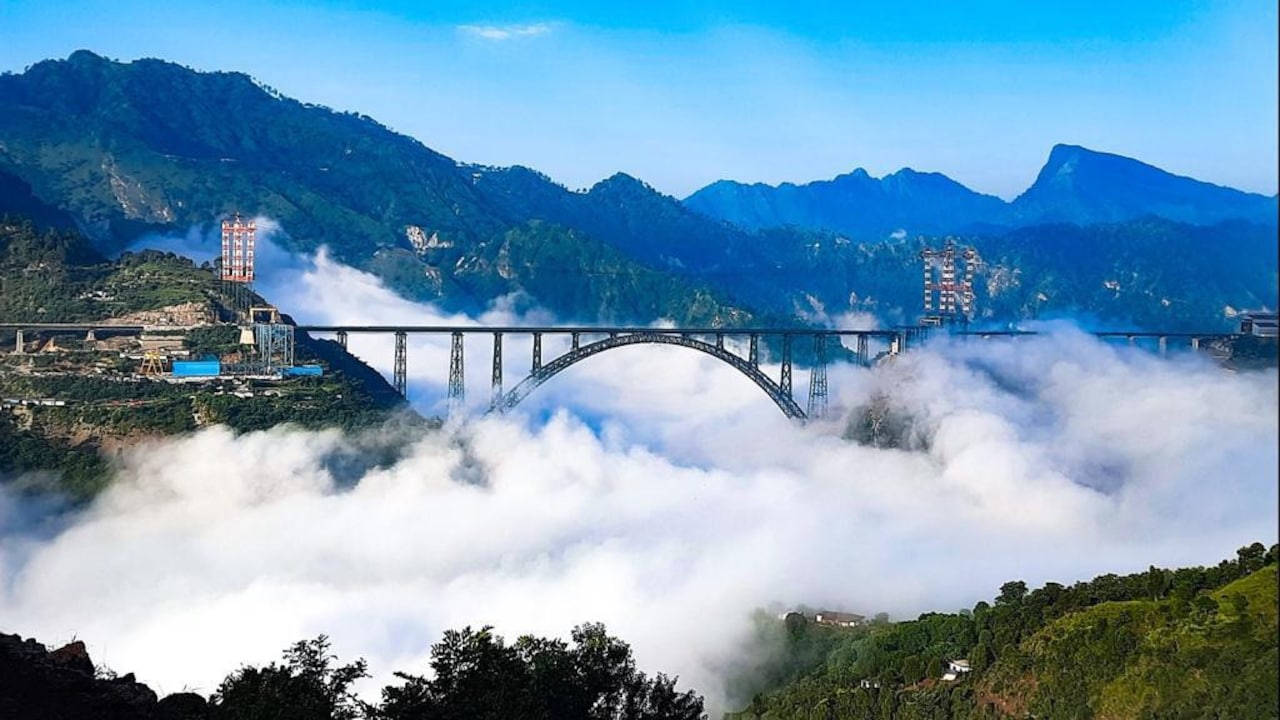
Two landmark structures are central to this transformation: the Chenab Bridge and the Anji Khad Bridge.
Standing 359 metres above the riverbed, the Chenab Bridge is the world's highest railway arch bridge. The Anji Khad Bridge is India's first cable-stayed railway bridge. Both have helped overcome formidable geographical barriers posed by deep river valleys, steep mountains and difficult terrain.
Their construction has strengthened the integration of the Kashmir Valley with the national railway network, making passenger and freight movement more practical across a region where road transport has long faced significant challenges.
Upgrading Kashmir's Connectivity
Together, the Chenab and Anji bridges and the upgraded rail corridor represent more than an engineering achievement. They are strengthening Kashmir's connection with the rest of India and creating new possibilities for mobility, trade, tourism and economic development.
Track Latest News Live on NDTV.com and get news updates from India and around the world


