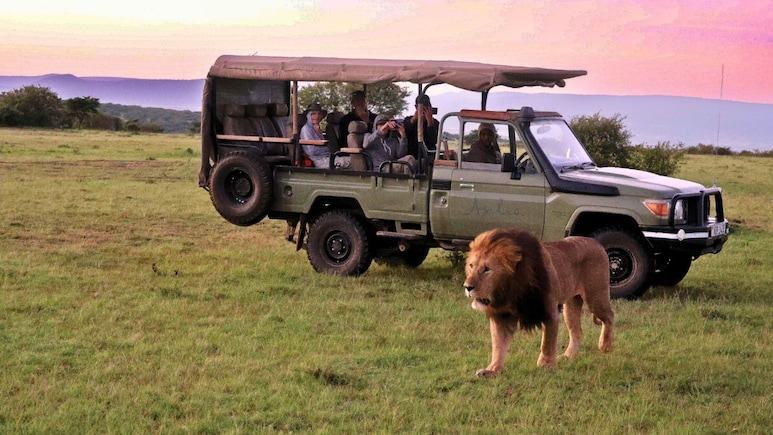
From the calls of exotic birds in misty rainforests to the raw drama of predators stalking prey across endless savannahs, wildlife travel offers experiences that feel truly alive. For many travellers, witnessing animals in their natural habitat is far more profound than seeing them behind enclosures. Around the world, several countries have gone beyond preserving ecosystems - they have pioneered responsible tourism that protects biodiversity while enriching local communities. Whether your dream is to track big cats, marvel at rare birds, or dive alongside vibrant marine life, these destinations promise encounters that are as unforgettable as they are ethical.
Also Read: Phuket On A Budget? It's Possible! Here's How To Plan A Trip Under Rs 60,000
Here Are 6 Countries That Are Famous For Their Wildlife
1. Kenya
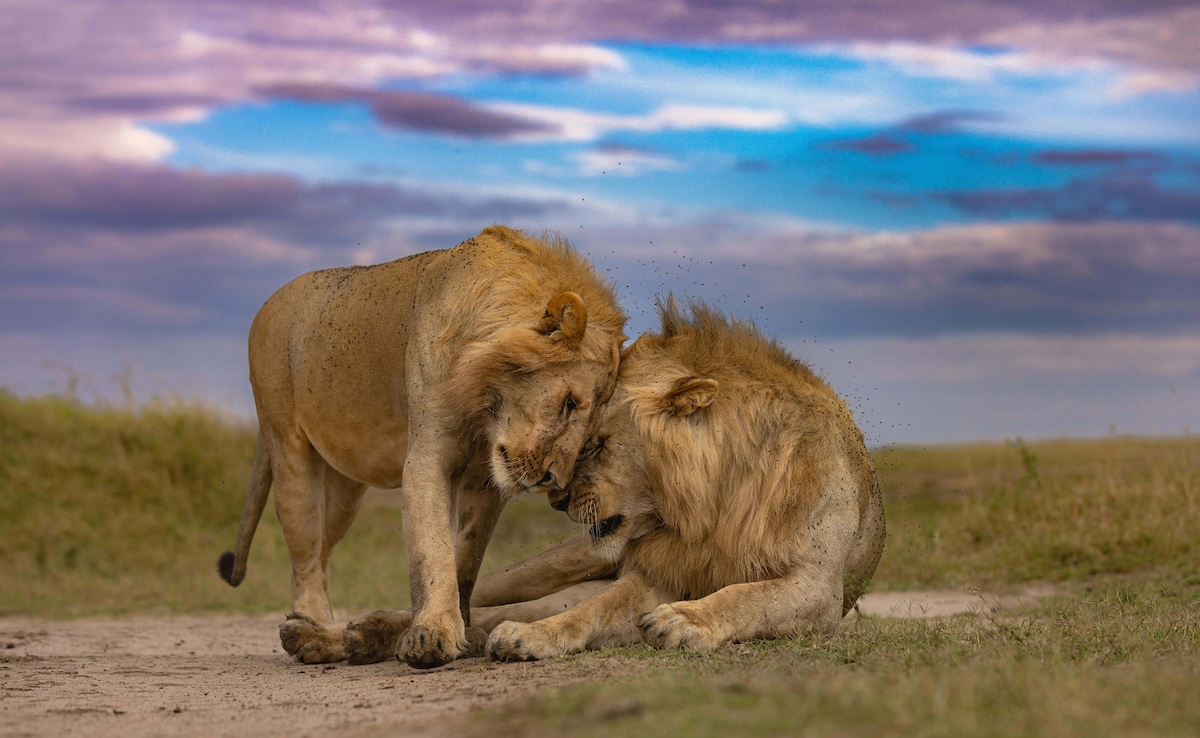
Kenya is synonymous with classic African wildlife experiences. Its open savannahs, especially in the Maasai Mara, are home to lions, cheetahs, elephants, giraffes and rhinos. The annual Great Migration, where millions of wildebeest and zebras cross the plains, is one of the world's greatest natural spectacles. Beyond game drives, Kenya also offers birdwatching, conservation-led tourism and community-run reserves that support both wildlife and local livelihoods.
2. Australia
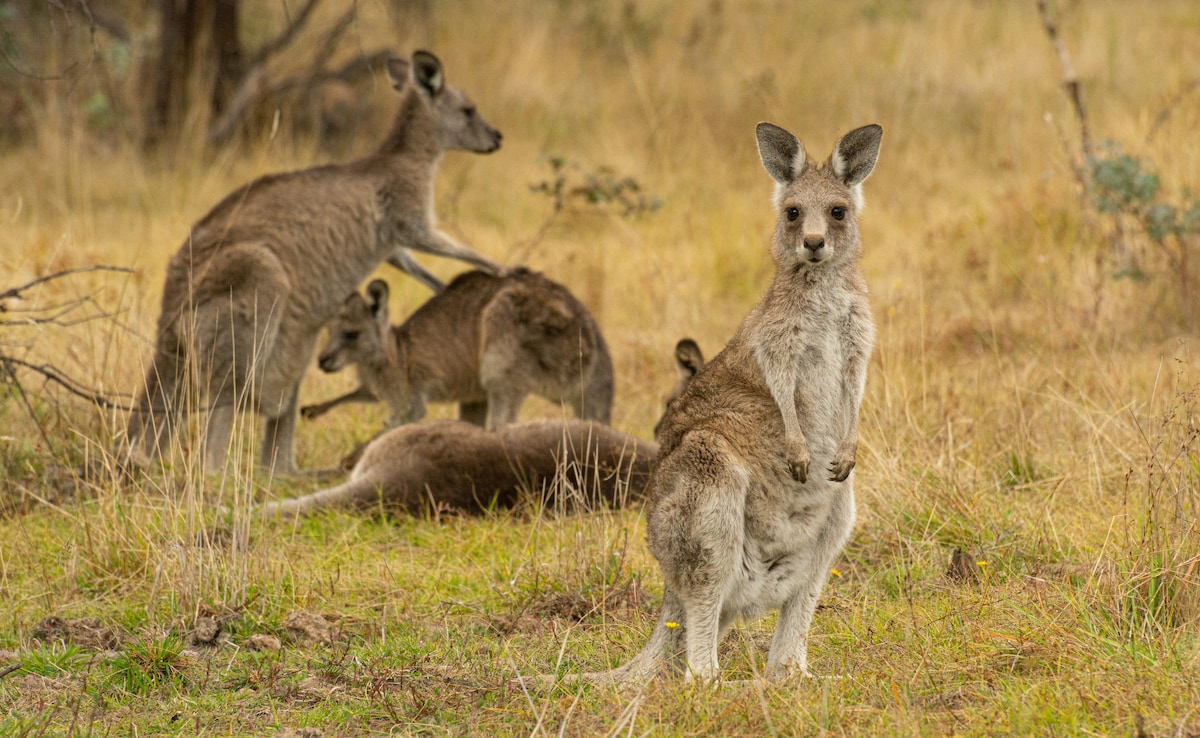
Photo: Unsplash
Australia's wildlife feels almost otherworldly. Kangaroos, koalas, wombats, platypuses and echidnas are found nowhere else on Earth. The country also boasts incredible marine life along the Great Barrier Reef, where turtles, reef sharks and colourful fish thrive. National parks, wildlife sanctuaries and coastal ecosystems make Australia a dream destination for travellers interested in both land and sea biodiversity.
3. Costa Rica
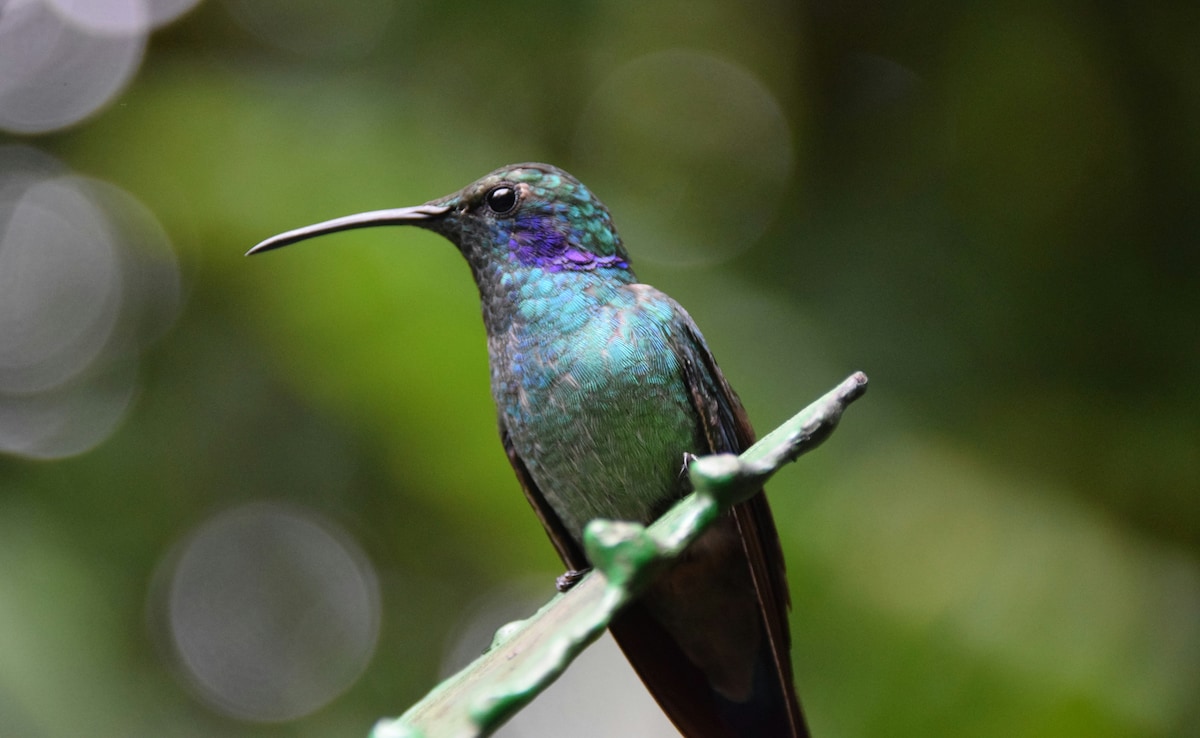
Photo: Unsplash
Despite its small size, Costa Rica is one of the most biodiverse countries in the world. Rainforests, cloud forests and coastlines support sloths, monkeys, jaguars, toucans and countless amphibians. The country is a global leader in eco-tourism, with well-maintained national parks and sustainable lodges. Wildlife sightings often happen on guided nature walks rather than traditional safaris, making it ideal for slow, immersive travel.
4. India
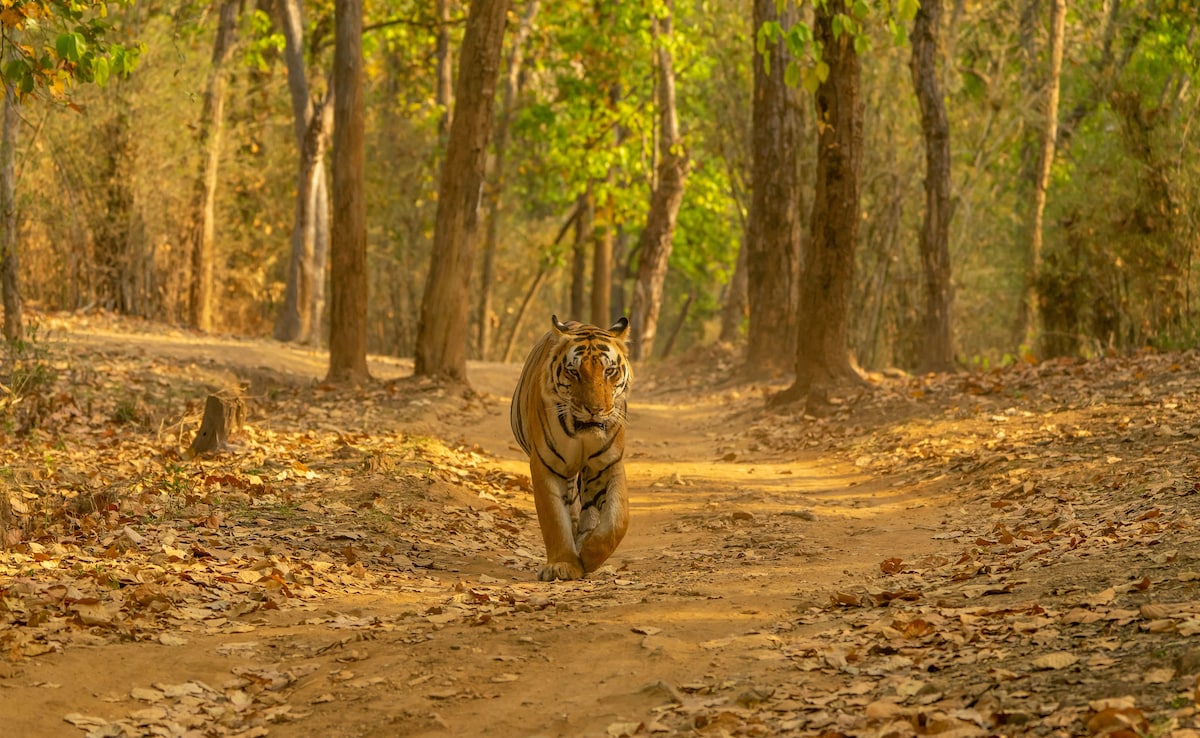
Photo: Unsplash
India's wildlife is as diverse as its geography. From Bengal tigers in central forests and Asiatic lions in Gujarat to one-horned rhinos in Assam and snow leopards in the Himalayas, the country offers an incredible variety. India is also a paradise for birdwatchers and reptile enthusiasts. Well-managed national parks, tiger reserves and conservation projects make wildlife tourism increasingly accessible and meaningful.
5. Brazil
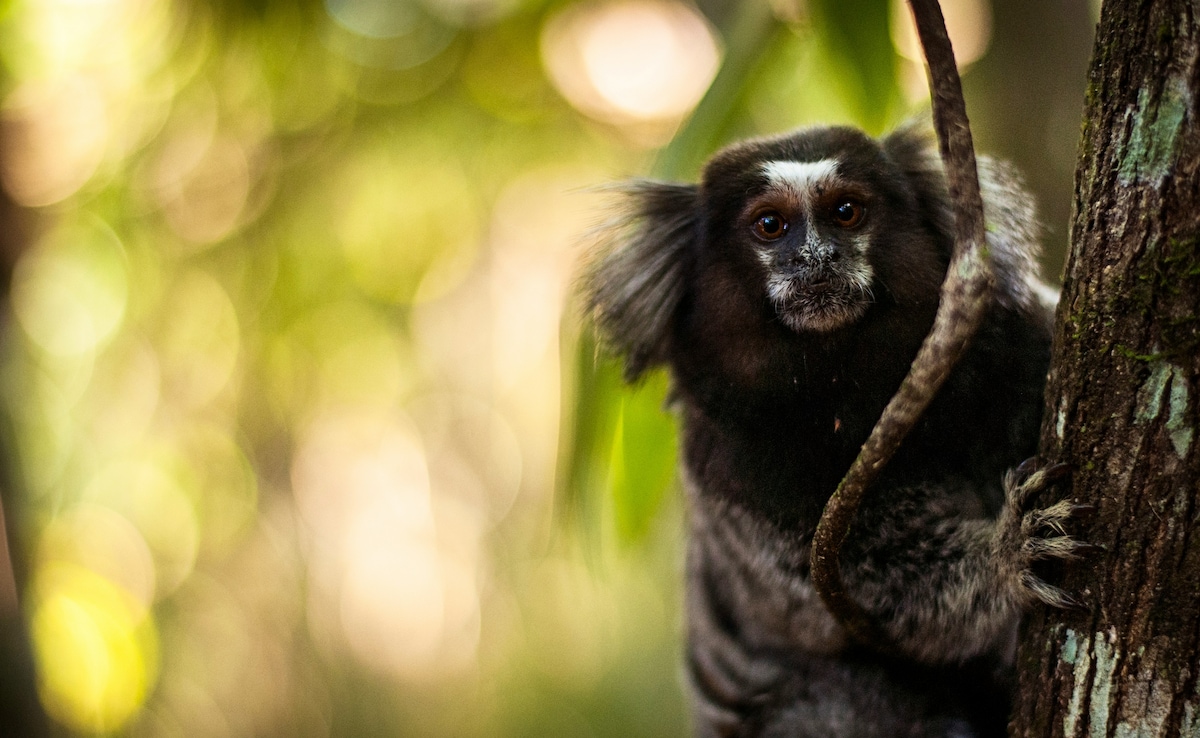
Photo: Unsplash
Brazil is home to the Amazon rainforest, the largest tropical rainforest in the world. This vast ecosystem shelters jaguars, pink river dolphins, macaws, sloths and countless insect species. Beyond the Amazon, the Pantanal wetlands are considered one of the best places on Earth to spot wildlife easily. Boat safaris, river cruises and guided forest treks allow travellers to witness wildlife up close while learning about conservation challenges.
6. South Africa
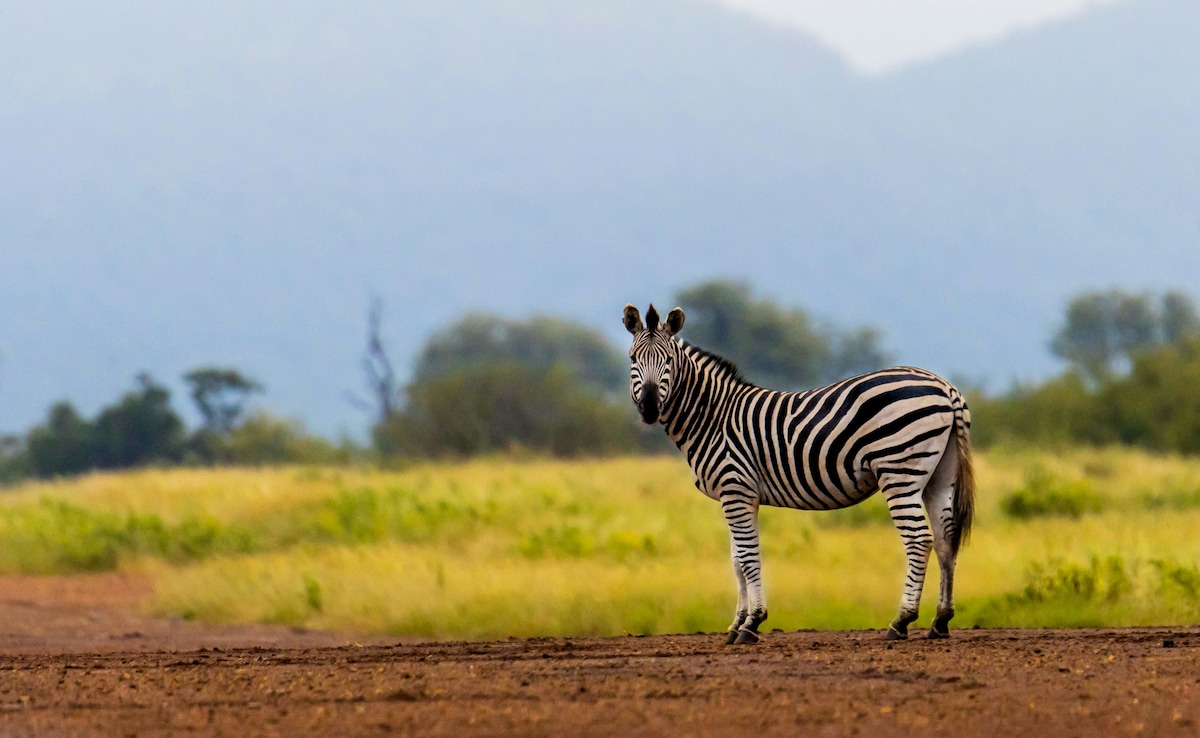
Photo: Unsplash
South Africa combines rich wildlife with excellent travel infrastructure. Kruger National Park is one of Africa's most famous reserves, offering chances to spot the Big Five. What sets South Africa apart is the range of experiences, from luxury lodges to self-drive safaris. Coastal regions also offer whale watching, penguin colonies and marine safaris, making it a well-rounded wildlife destination.
Best Time To Visit Each Country
Planning your wildlife trip at the right time can make all the difference. Seasons affect animal movement, visibility, and overall experience. Here's when you should go:
- Kenya: July to October for the Great Migration; January to March for birdwatching and clear skies.
- Australia: September to November (spring) and March to May (autumn) for mild weather and active wildlife.
- Costa Rica: December to April for dry season and best wildlife viewing; May to November for lush greenery and fewer crowds.
- India: November to April for most national parks; February to March for tiger sightings; winter for birdwatching.
- Brazil: June to September for Pantanal wildlife spotting; December to March for Amazon river cruises.
- South Africa: May to September (dry season) for game viewing; June to November for whale watching along the coast.
Also Read: Which City In India Is Known As The 'Queen Of Hills'
Conservation And Ethical Travel Tips
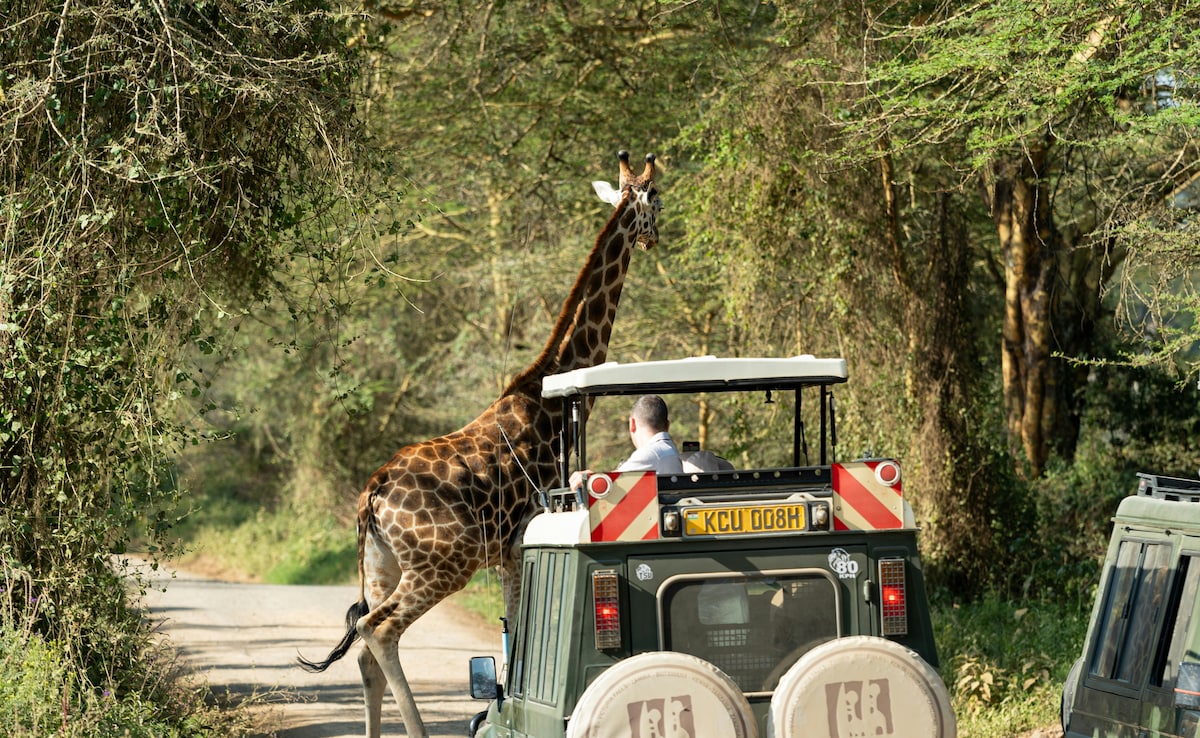
Photo: Unsplash
Wildlife tourism can be a force for good, if done responsibly. Your choices matter for the survival of species and the well-being of local communities. Keep these tips in mind:
Choose Responsible Operators: Book tours with certified eco-friendly or community-based operators.
Respect Wildlife: Maintain safe distances, avoid feeding animals, and never disturb their natural behaviour.
- Avoid Exploitative Activities: Skip attractions involving captive animals or unethical practices like baiting.
- Support Local Communities: Stay in locally owned lodges and buy from community-run shops to help conservation efforts.
- Reduce Environmental Impact: Carry reusable bottles, avoid single-use plastics, and follow park guidelines.
- Educate Yourself: Learn about the species and ecosystems you visit to appreciate and protect them better.
So, if you are interested in wildlife, plan a trip to these spots today!
Track Latest News Live on NDTV.com and get news updates from India and around the world


