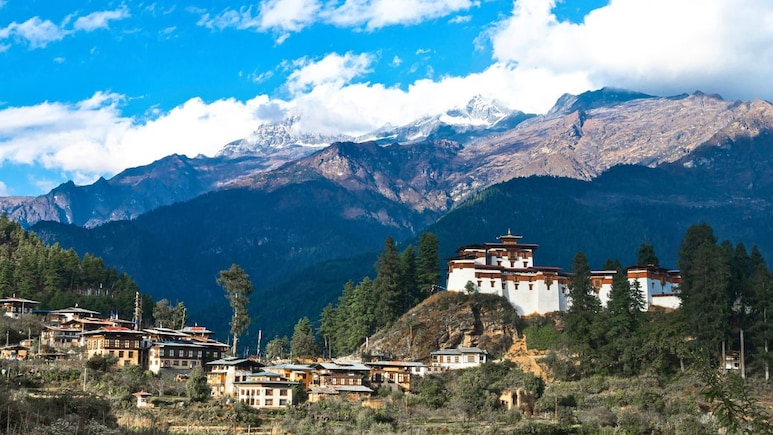
Bhutan isn't just prayer flags and monasteries. Yes, the Tiger's Nest is spectacular. Yes, the dzongs are architectural marvels. But this tiny Himalayan kingdom sandwiched between India and Tibet also happens to be one of Asia's best-kept adventure secrets. Pristine rivers fed by glacial melt. Mountain passes crossing 5,000 metres. Trails winding through rhododendron forests where red pandas hide. Valleys so remote that locals still transport goods by yak. And the best part for Indian travellers? It's right next door. No complicated visas for Indians, just an entry permit arranged by your tour operator. No jet lag. No culture shock. And most importantly, Bhutan takes adventure seriously without compromising its "high value, low impact" tourism philosophy. The government ensures every trek is sustainable, every river rafting operator is certified, every mountain biking trail is maintained. You get to push your limits, trekking to altitudes that make your heart pound, rafting through rapids that soak you completely, biking down winding mountain roads with prayer wheels spinning beside you. But you do it responsibly, with trained guides, in landscapes so pristine they feel otherworldly. Ready to trade your comfort zone for some serious Himalayan adventure?
Also Read: 7 Top Europe Trips From India Under Rs 1 Lakh Budget
Here are five experiences that'll make your Bhutan trip genuinely unforgettable.
1. Trekking: Walk Where Few Have Wandered
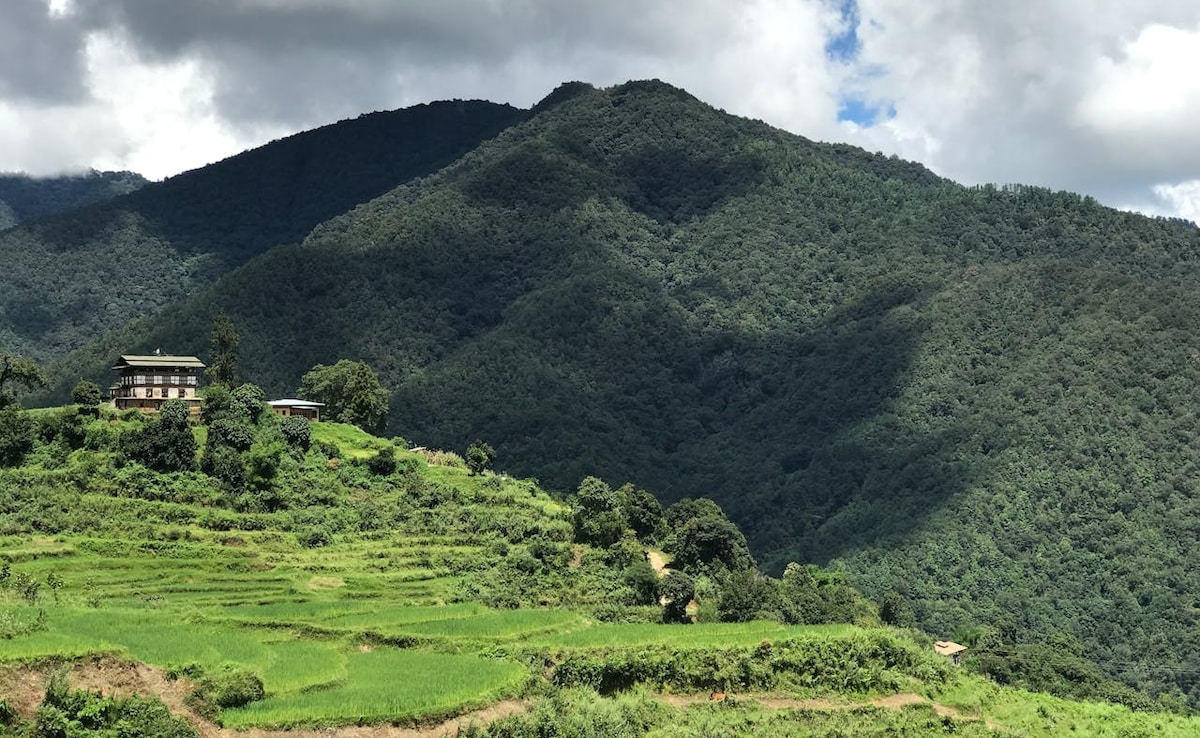
Bhutan's trekking trails aren't crowded Himalayan highways. They're quiet paths through protected wilderness where you're more likely to encounter yaks than other trekkers. The trails pass through ancient forests, cross glacial rivers, circle sacred lakes, and reach monasteries perched on impossible cliffs. Every turn reveals snow-capped peaks. Every valley holds a new ecosystem.
The Range:
Easy Day Hikes: The Druk Path sections near Paro, visits to Taktsang (Tiger's Nest) Monastery, or gentle valley walks through Punakha. Perfect for beginners or families.
Medium Multi-Day Treks: The Druk Path Trek (5-6 days, Paro to Thimphu) passes high-altitude lakes and offers stunning mountain views without extreme difficulty. The Bumthang Owl Trek (3 days) combines culture and nature.
The Snowman Trek: Here's the legendary one. 25 days. Crosses 11 passes over 4,500 metres. Reaches elevations above 5,000 metres. Considered one of the world's toughest treks. Only for seriously experienced trekkers with excellent fitness. People have died on this trek, altitude sickness is real, and rescue is difficult.
What You'll Experience:
Wake up to mist rolling through valleys. Spot blue sheep grazing on impossible slopes. Pass chortens marking sacred spots. Camp beside glacial lakes so clear you see stars reflected at night. Cross prayer-flag-draped suspension bridges swaying over roaring rivers. Visit remote monasteries where monks live in near-complete solitude.
The high-altitude passes test your endurance. The thin air makes every step deliberate. But reaching the top, seeing the Eastern Himalayas stretching endlessly in every direction makes it all worth it.
Practical Info:
- Best time: March-May (spring rhododendrons bloom), September-November (clear skies, stable weather)
- All trekkers need guides and camping equipment (arranged by tour operators)
- Acclimatisation is crucial for high-altitude treks
- Pack layers, mornings are freezing, afternoons sunny
2. White-Water Rafting: Ride the Glacial Rivers
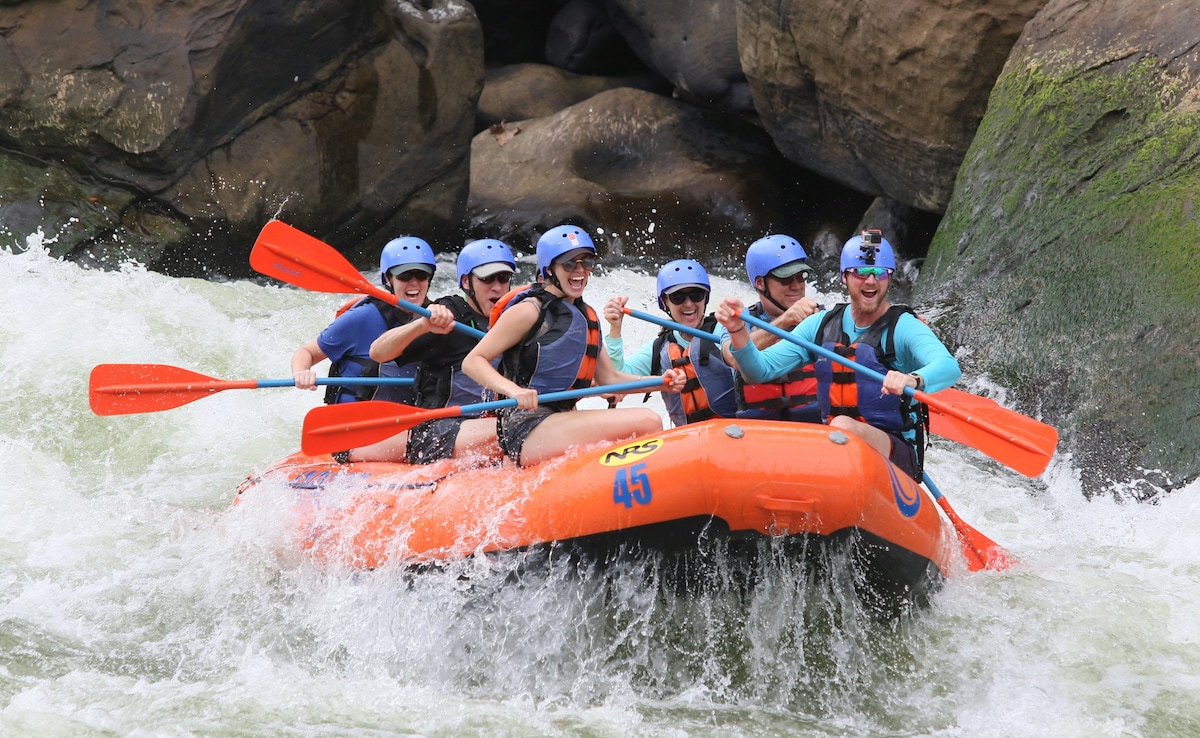
Bhutan's rivers are fed directly by Himalayan glaciers. The water is crystal-clear, ice-cold, and powerful. Rafting here means navigating rapids surrounded by mountains, forests, and dzongs perched on cliffs above. The Mo Chhu and Pho Chhu rivers near Punakha are particularly spectacular, you literally raft past the stunning Punakha Dzong.
The Rivers:
- Mo Chhu River (Female River): Gentler Class I-II rapids. Perfect for beginners, families, kids. Two-hour float combines mild excitement with scenery. Fed by hot springs, so slightly warmer water.
- Pho Chhu River (Male River): More challenging Class II-IV rapids. For experienced rafters. 90-minute adrenaline rush with non-stop rapids. Fed by glacial melt, so expect freezing water.
- Mangde Chhu River: The country's most popular trip. 90 minutes of non-stop Class II+ rapids through the "Gushing Gateway" section. Perfect middle ground between beginner and advanced.
- Dangme Chhu River: Multi-day expedition option. Gentle Class I with swimming and bird-watching opportunities. Overnight camping in Royal Manas National Park lowlands.
Fun Fact: In Bhutanese culture, rivers are gendered. "Male" rivers (fed by glacial melt) are cold and powerful. "Female" rivers (fed by hot springs) are warmer and gentler. The Mo Chhu-Pho Chhu confluence represents the joining of male and female energies.
What You'll Experience:
Helmet on. Life jacket secured. Paddle gripped. Your guide shouts "Forward!" as you hit the first rapid. Water explodes over the raft. Everyone's screaming and laughing simultaneously. Between rapids, you float past terraced fields, forests, and traditional farmhouses. Eagles circle overhead. The Punakha Dzong appears around a bend, majestic against the mountains. Then another rapid hits and you're back to paddling furiously.
The cold water is shocking, bring waterproof bags for everything. But on a hot day, getting drenched feels amazing.
Practical Info:
- Best time: March-May and September-November (avoid summer monsoons)
- Tour operators provide all equipment and safety briefings
- Wear quick-dry clothes, secure shoes (they'll get soaked)
- No prior experience needed for easier rivers
Also Read: Which Country Is Known As The 'Sugar Bowl Of The World'?
3. Mountain Biking: Pedal Through the Himalayas
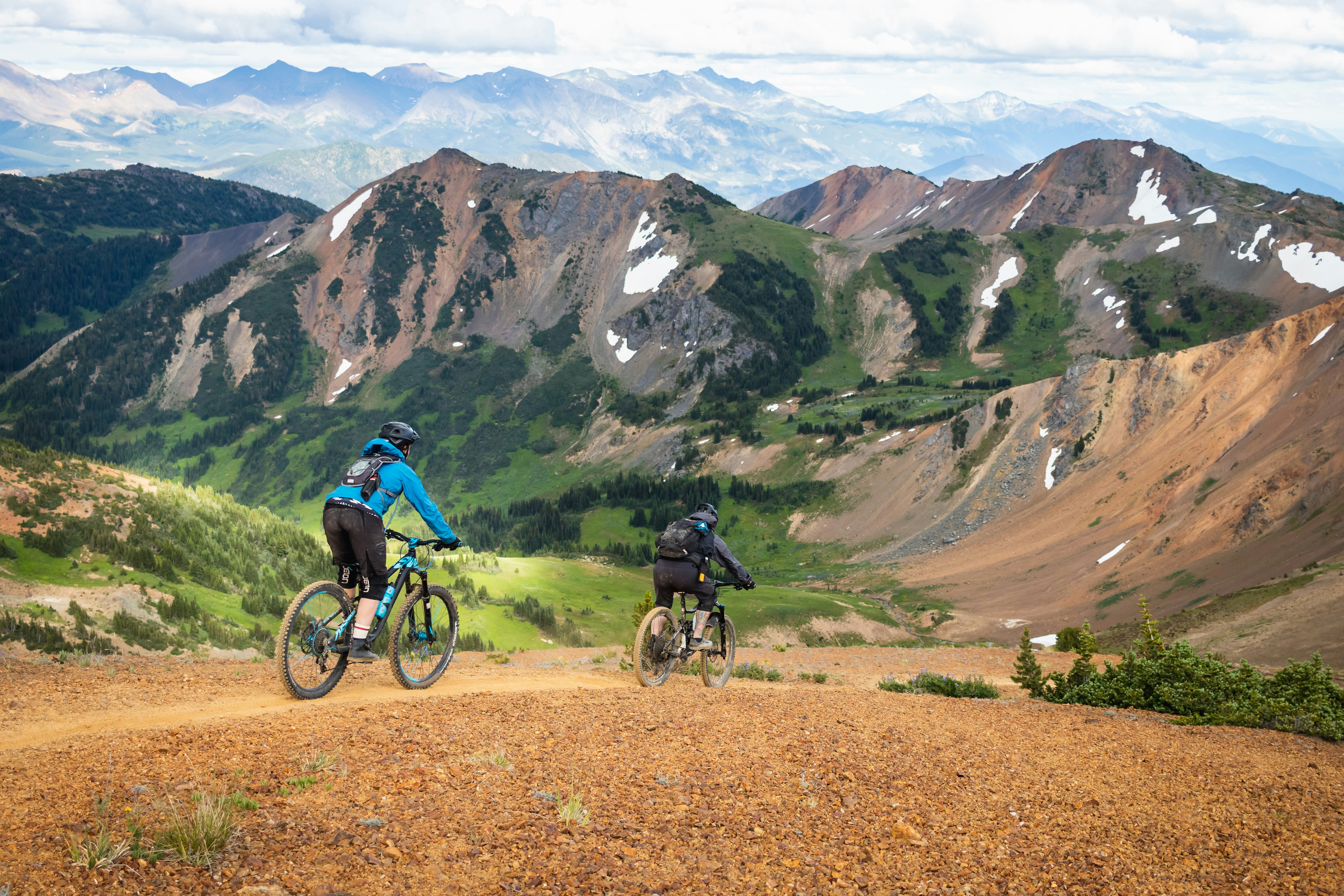
Bhutan's geography creates perfect mountain biking terrain. Winding roads through valleys. Challenging climbs rewarded with thrilling downhill descents. Trails passing monasteries, villages, forests, and rivers. And crucially, Bhutan has a national speed limit of 50 km/h, making road cycling safer than most places.
The Routes:
- Paro Valley Rides: Gentle valley cycling with cultural stops. Perfect for beginners. Ride past farmhouses, temples, and the Paro airport (where planes navigate between mountains).
- Chele La Pass Route: Serious climb to 3,988 metres, Bhutan's highest motorable pass. The ascent tests endurance. The descent is pure adrenaline. Views of Everest and Kanchenjunga on clear days.
- Punakha-Thimphu Route: Multi-day journey crossing Dochula Pass (3,100 metres). Mix of paved roads and off-road trails. Stunning scenery, challenging climbs, exhilarating descents.
- Bumthang Valley Trails: Remote eastern Bhutan. Less-travelled routes through spiritual heartland. Ancient wooden bridges, isolated monasteries, rural villages frozen in time.
What You'll Experience:
The morning starts with a gradual climb. Legs burning, lungs working hard in thin air. You pass a monastery where monks wave. Prayer wheels spin beside the road, locals believe riding past them while pedalling brings blessings. The climb feels endless. Then you crest the pass. Prayer flags flutter wildly in the wind. The descent begins. You fly down winding roads, wind in your face, mountains surrounding you. Occasional yaks force you to brake. Villages blur past. This is freedom on two wheels.
Practical Info:
- Best time: March-May, September-November
- Tour operators provide bikes, helmets, support vehicles
- Gradual routes for beginners, challenging mountain passes for experienced cyclists
- Build cardio endurance before attempting high-altitude routes
4. Paragliding: Soar Like the Thunder Dragon
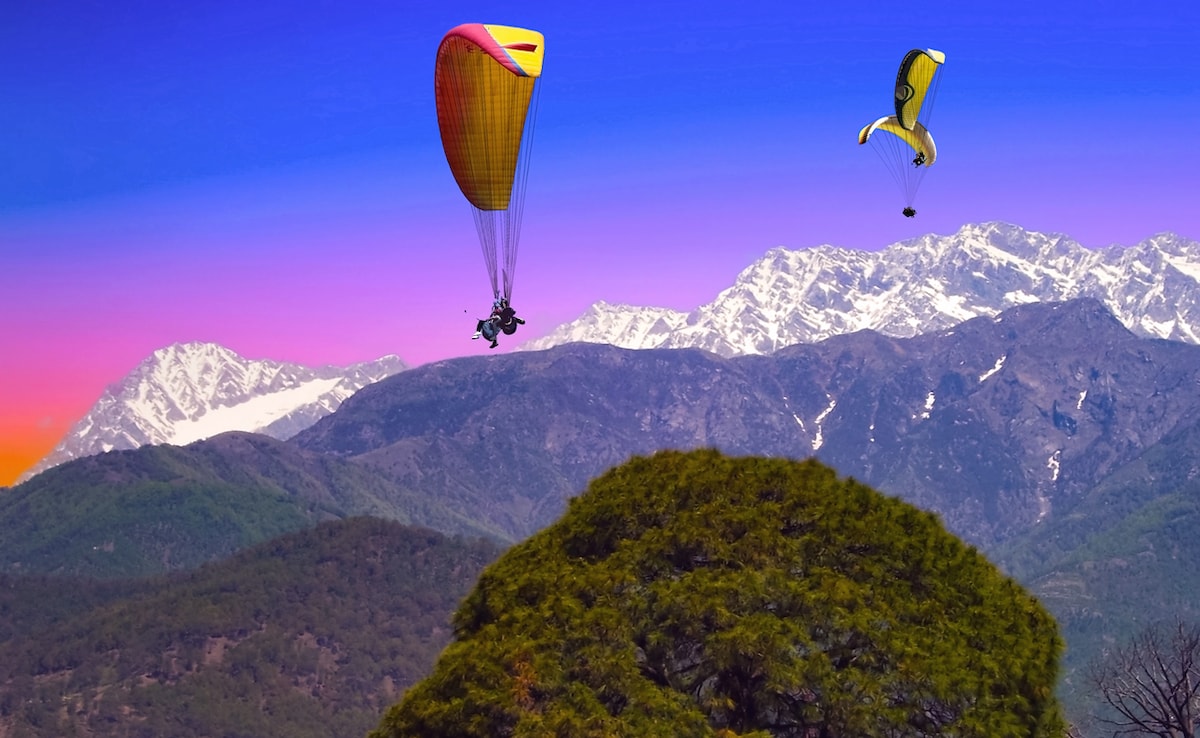
Bhutan is called Druk Yul, ”Land of the Thunder Dragon." Paragliding lets you literally fly like that dragon, soaring over valleys, monasteries, rivers, and terraced fields with the Himalayas as your backdrop.
Where to Fly:
- Paro Valley: The most popular spot. Glide above the valley with Tiger's Nest Monastery clinging to the cliff below. See the airport, dzong, river, and mountains from a bird's perspective.
- Ura Valley: In the Bumthang district. Less crowded, more remote. Panoramic views of central Bhutan's sacred valleys.
What You'll Experience:
Strapped into a harness. Your tandem pilot is behind you. You run down the slope together. Suddenly, the ground drops away. You're airborne. The initial surge of adrenaline gives way to serene silence, just wind and the occasional instruction from your pilot. Below, the Paro Valley spreads out like a detailed map. Farmhouses look like toys. The river snakes silver through green fields. Taktsang Monastery clings impossibly to its cliff. The Himalayas surround you. For 15-30 minutes, you understand why birds never want to land.
Practical Info:
- Tandem flights available for beginners (no experience needed)
- Pilots are certified and experienced
- Best conditions: spring and autumn mornings
- Wear layers and secure shoes
- GoPro footage often available for purchase
5. Camping: Sleep Under Himalayan Stars
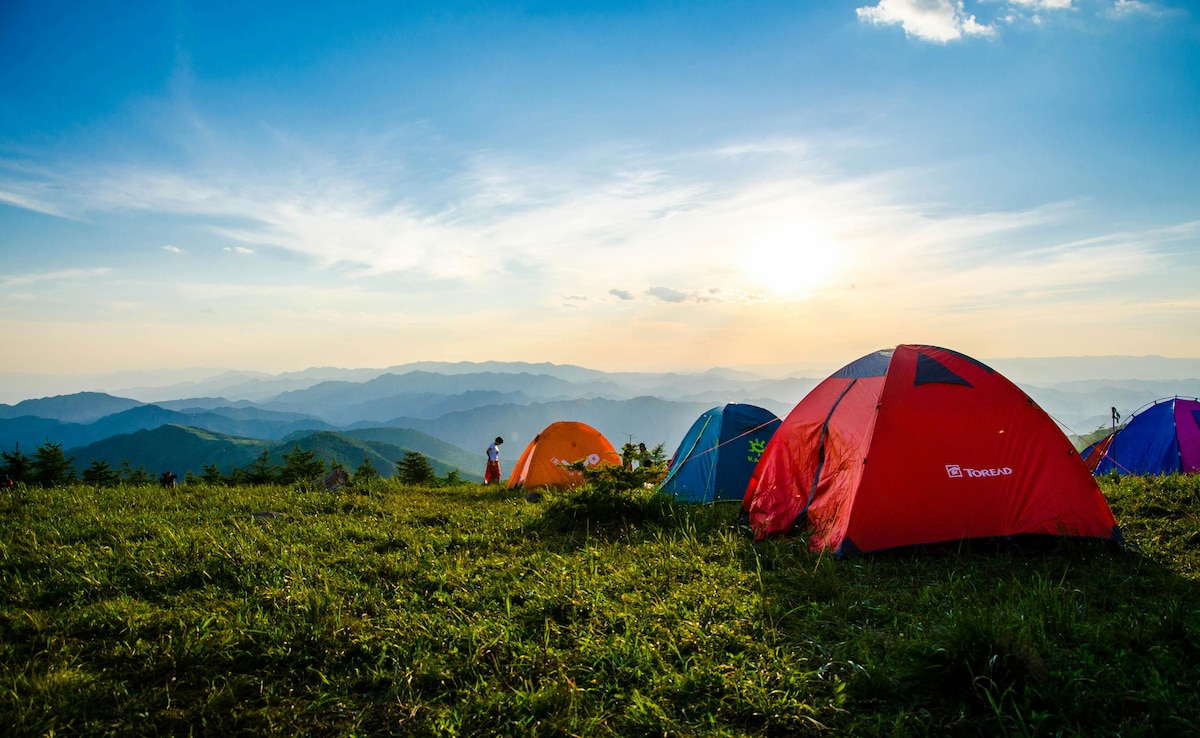
Photo Credit: Pexels
Bhutan's camping isn't roughing it. It's falling asleep to river sounds, waking to mountain views, cooking over campfires, and experiencing wilderness that feels untouched. Whether luxury glamping or basic trekking camps, you're immersed in nature completely.
Where to Camp:
- Trekking Camps: High-altitude campsites during multi-day treks. Basic tents, shared facilities, but incredible locations, beside glacial lakes, in alpine meadows, near remote monasteries.
- Riverside Camps: Along rafting routes, particularly on the Dangme Chhu overnight expedition. Camp in Royal Manas National Park lowlands. Swimming, bird-watching, wildlife spotting.
- Luxury Glamping: Villa-style tents in pine forests near Paro or Punakha. Comfortable beds, attached bathrooms, gourmet meals. Nature immersion without sacrificing comfort.
What You'll Experience:
Evening falls. The campfire crackles. Your guide prepares traditional Bhutanese ema datshi (chilli cheese) over the flames. Stars emerge in numbers impossible in cities, the Milky Way stretches clearly overhead. You hear the river rushing nearby, maybe yak bells in the distance. The temperature drops sharply. You retreat to your tent, pile on blankets, and sleep deeply in the mountain silence. Morning arrives with sunlight turning the peaks golden. Frost covers your tent. Hot tea appears as you emerge. This is camping at its most magical.
Practical Info:
- Usually included in trekking or rafting packages
- Operators provide tents, sleeping bags, meals
- Bring warm layers, nights get freezing even in summer
- Basic facilities on treks; luxury options near towns
Also Read: Jodhpur vs Udaipur: Which Royal City Fits Your Travel Style?
Adventures Of Bhutan
Bhutan's adventure offerings aren't about ticking boxes or chasing Instagram moments. They're about genuinely pushing yourself in landscapes that humble you. The trek that tests your limits but rewards you with views that make you forget the pain. The river that soaks you completely while you scream with laughter. The mountain pass you conquer on a bike, legs screaming but spirit soaring. The paragliding flight that makes you understand why humans have always envied birds. The campsite where you sleep under more stars than you knew existed. These adventures change you. Not in some clichéd "finding yourself" way, but in the quiet realisation that you're capable of more than you thought. That discomfort leads to growth. That nature, when respected and preserved the way Bhutan preserves it, offers experiences no luxury hotel can match. For Indian travellers, Bhutan's proximity makes it accessible for even week-long trips. No visa hassles. Direct flights from major cities. And adventures that rival anywhere in the world. So pack your bags. Get that fitness level up. Book a good tour operator. And discover that our neighbour Bhutan isn't just the last Himalayan kingdom. It's one of the planet's great adventure playgrounds. The Thunder Dragon is waiting. Time to fly.
Track Latest News Live on NDTV.com and get news updates from India and around the world


