





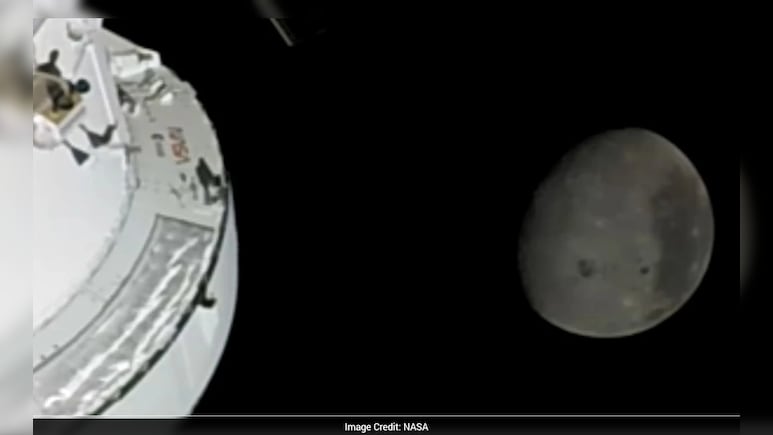
- NASA's Artemis II Orion spacecraft began its Lunar Observation Program during a historic Moon flyby
- The crew set a human spaceflight distance record of 252,756 miles from Earth during the mission
- Orion passed behind the Moon causing a planned 40-minute communication blackout with Earth
NASA's Artemis II mission reached a significant milestone on April 6, as the Orion spacecraft approached the Moon, marking the start of its Lunar Observation Program with its historic flyby.
A screenshot from a NASA livestream shows Orion close to the Moon's surface, where all four astronauts, who have travelled farther than any human ever, set to record their observations. During this time, the spacecraft reached a maximum distance of 252,756 miles (406,771 km) from Earth, a new record for human spaceflight.
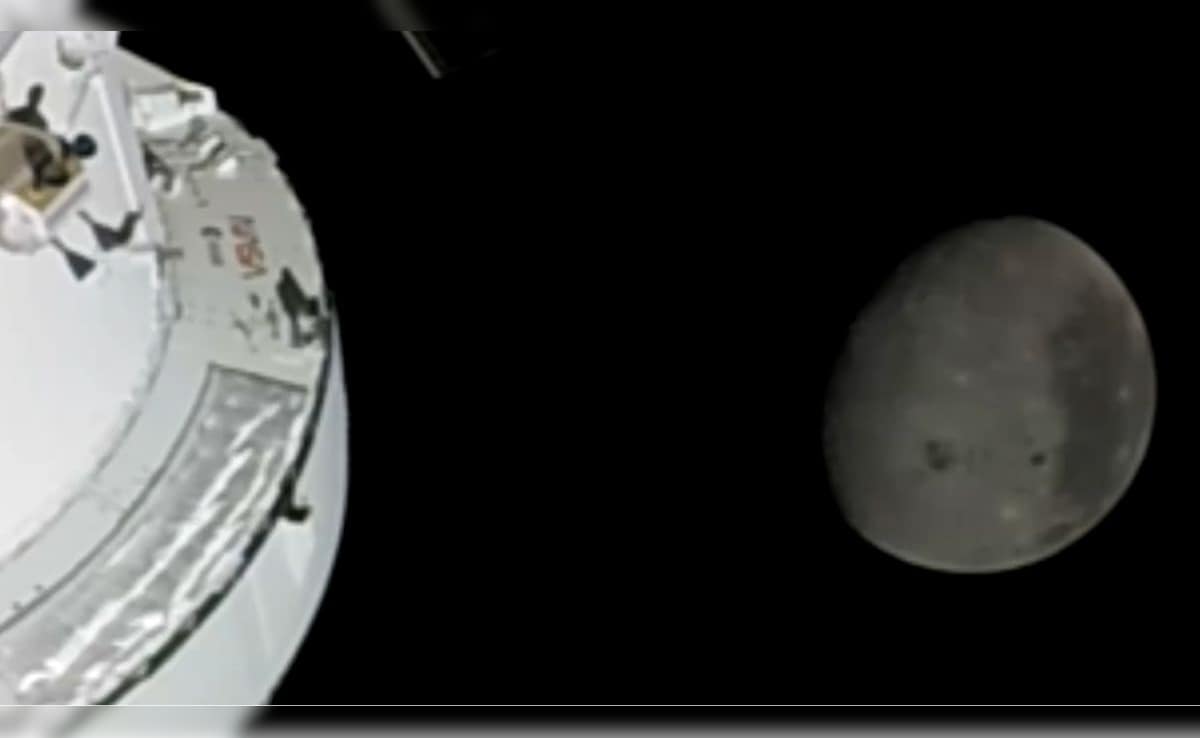
Photo Credit: NASA
Contact with Mission Control in Houston was lost for about 40 minutes while Orion passed behind the Moon. This was a pre-scheduled communications outage. After contact was later restored, astronaut Christina Koch said, "It feels so good to be back in touch with Earth."
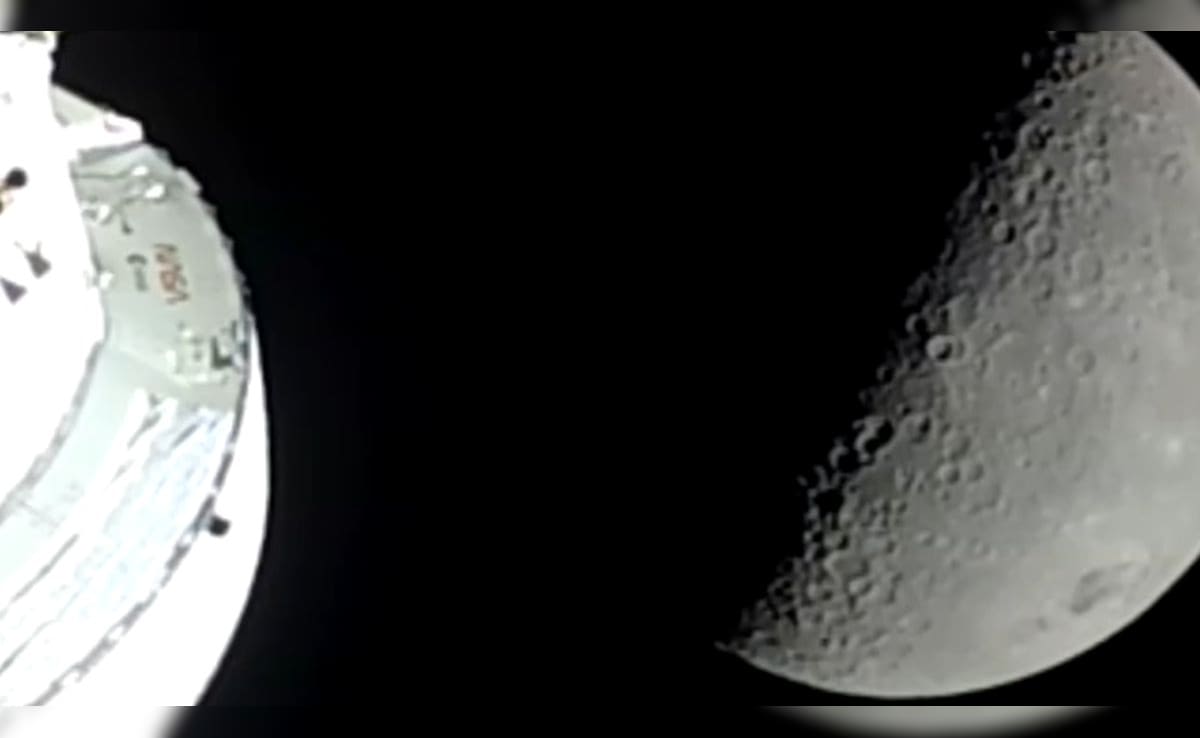
Photo Credit: NASA
During this period, the spacecraft reached its closest point to the lunar surface at 7:00 pm, approximately 4,067 miles away. Just two minutes later, it reached its farthest distance from Earth, reported NASA.
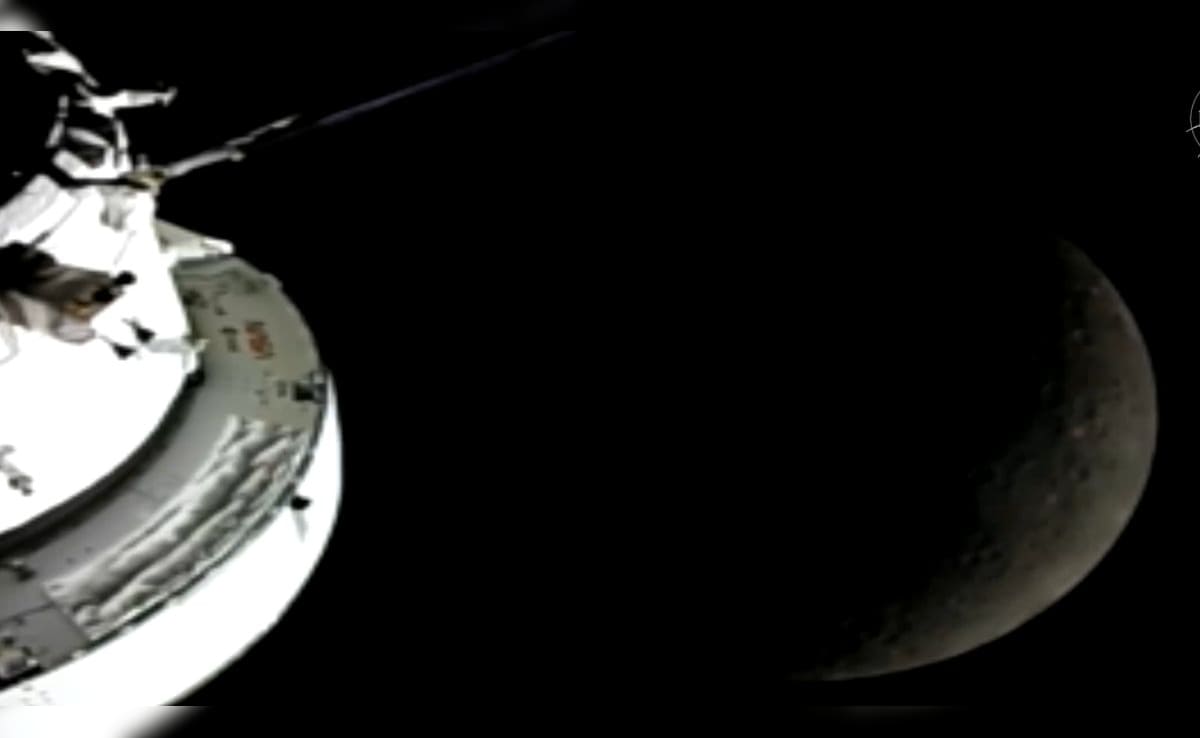
Photo Credit: NASA
While passing over the far side of the Moon, the crew photographed the surface, detailing impact craters, ancient lava flows, fissures, and ridge-like structures. They also recorded variations in colour, brightness, and texture, which will be helpful in understanding the Moon's composition and history.
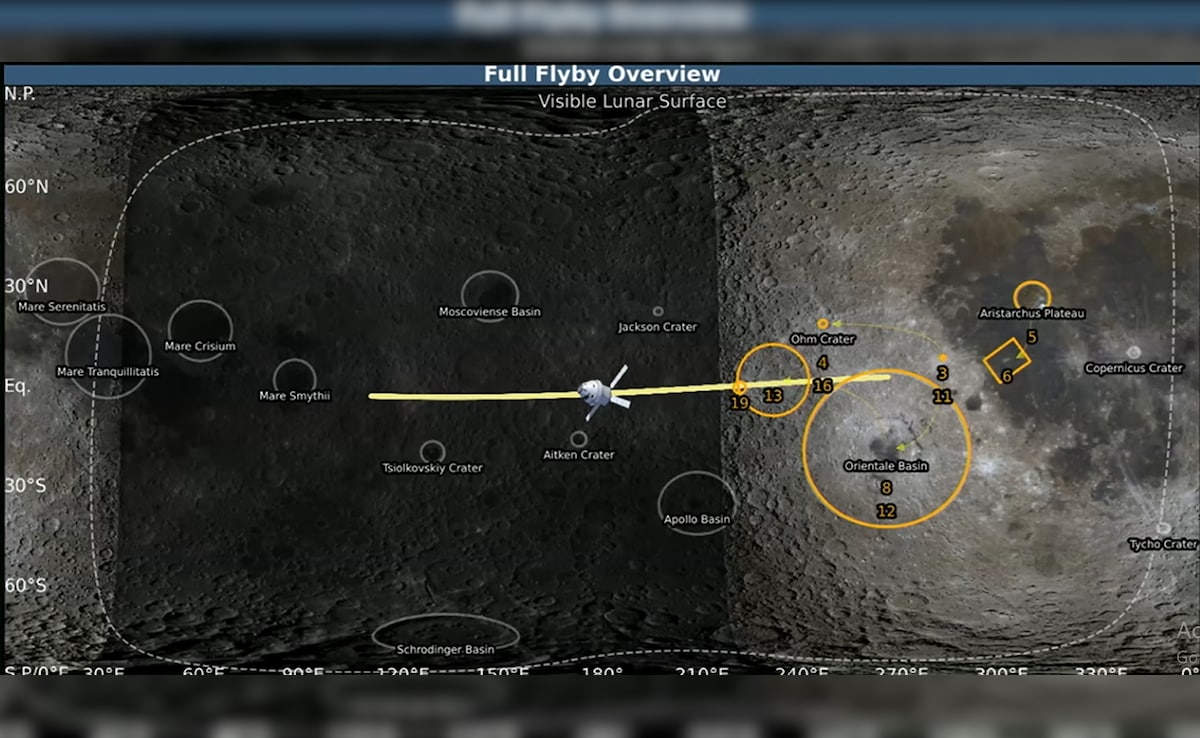
Photo Credit: NASA
During this time, the astronauts observed "Earthsett," when the Earth went below the lunar horizon, and "Earthrise," when the spacecraft emerged from the other side of the Moon.
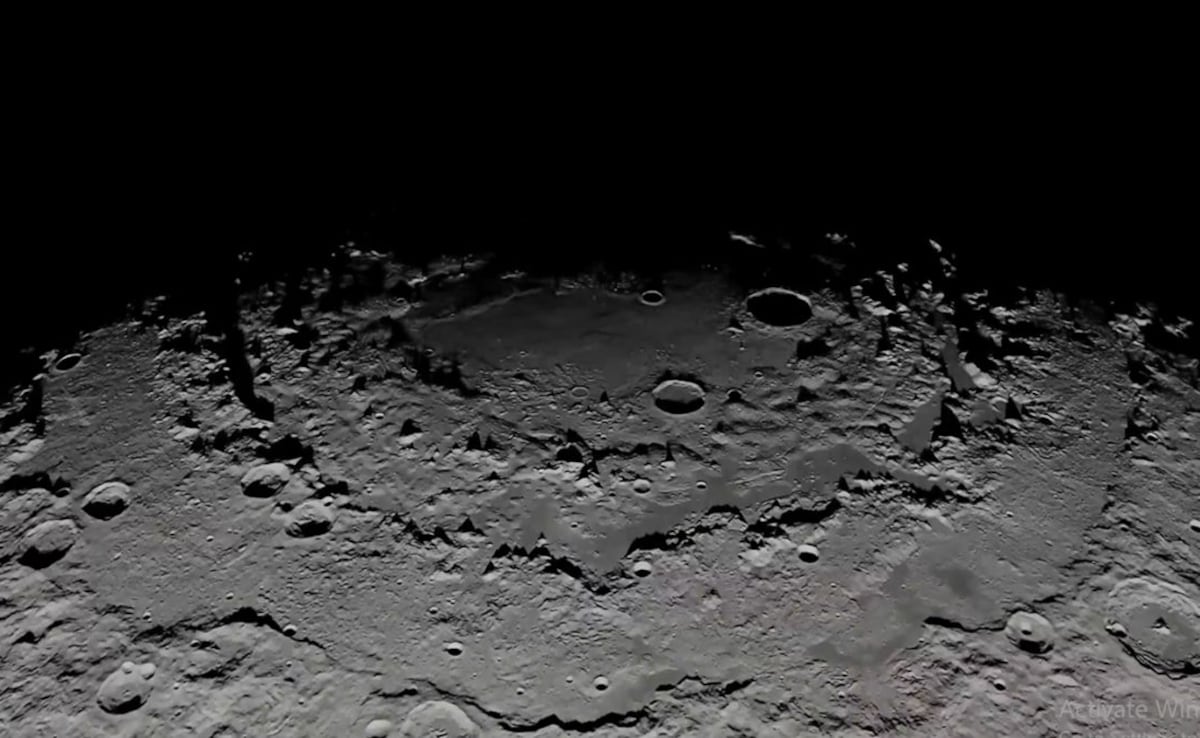
Photo Credit: NASA
Following this phase of observation, the crew observed a solar eclipse lasting approximately one hour, created by the alignment of the spacecraft, the Moon, and the Sun. During this time, they studied the Sun's outer atmosphere, the solar corona, which was visible around the Moon's edges.
The astronauts also observed six flashes of light on the lunar surface, caused by high-speed meteorites. These events were clearly visible on the dark side of the Moon during the eclipse.
Commander Reid Wiseman said the crew witnessed "sights no human has ever seen before," while pilot Victor Glover described the experience as difficult to describe. The mission is now returning to Earth after completing the lunar flyby.
Track Latest News Live on NDTV.com and get news updates from India and around the world

