




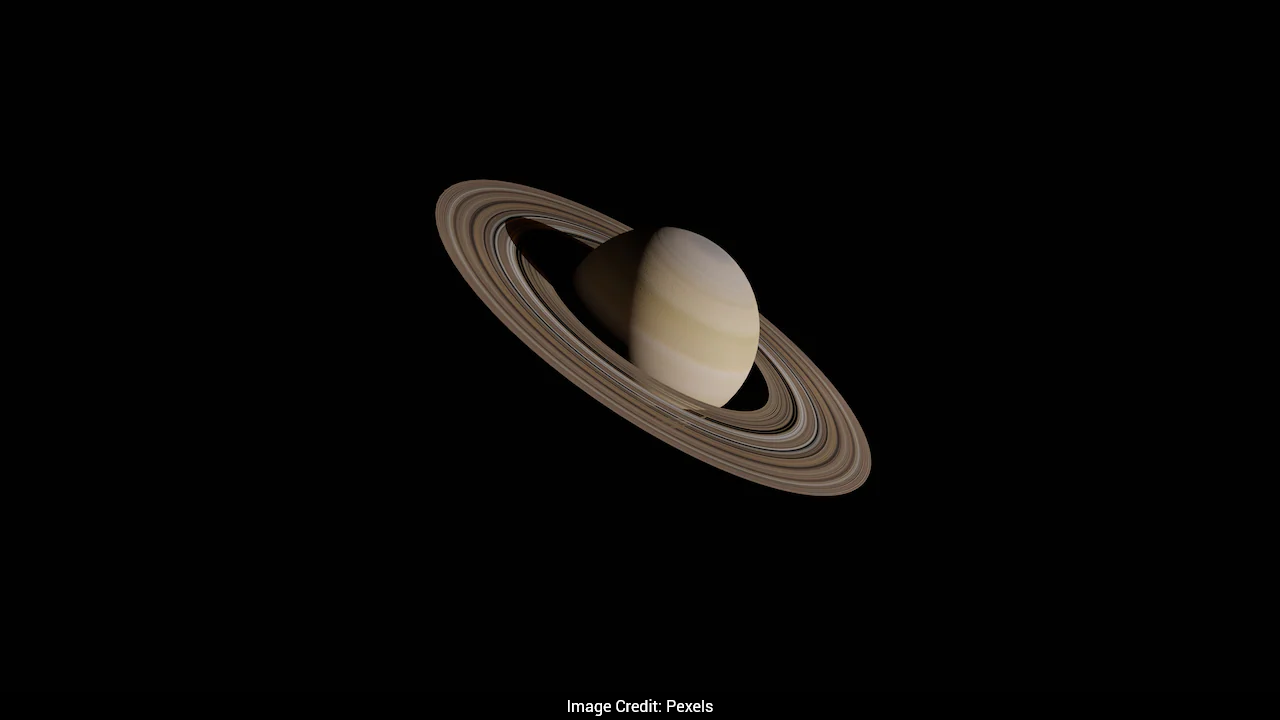
NASA is inviting people to send their names to Saturn's largest moon, Titan, aboard its Dragonfly rotorcraft. The names will be stored on a microchip carried by the spacecraft, and participants will receive a personalised digital boarding pass to mark their place on the mission, according to NASA.
People can submit their names through NASA's website until January 15, 2027.
How To Send Your Name With NASA's Dragonfly Mission
People who want to take part in the mission can visit the official site of NASA. There they can fill out the details.
Nicky Fox, associate administrator of NASA's Science Mission Directorate at the agency's headquarters in Washington, said the mission would explore Titan using the first rotorcraft designed for a science mission of this kind. She explained that NASA hopes to search for signs of conditions that could support life on the distant moon.
Fox also invited people to join the journey by sending their names aboard the rotorcraft, which is expected to help scientists learn more about the universe.
Dragonfly is currently being assembled at the Johns Hopkins Applied Physics Laboratory in Laurel, Maryland. NASA plans to launch the rotorcraft in 2028, and it is expected to reach Titan in 2034.
Titan has a thick atmosphere, rivers and lakes of liquid methane, large dunes and a landscape rich in organic material. Dragonfly will fly to different locations on the moon to study its varied environments.
Mission To Search For Clues About Life
During its journey across Titan, Dragonfly will look for clues about prebiotic chemistry. This refers to the chemical processes that took place before life developed.
The findings are expected to help scientists better understand the ingredients and conditions needed for life.
Dragonfly is being designed and built under the direction of the Johns Hopkins Applied Physics Laboratory, which leads the mission for NASA. Elizabeth Turtle of the laboratory is the mission's principal investigator.
Track Latest News Live on NDTV.com and get news updates from India and around the world

