





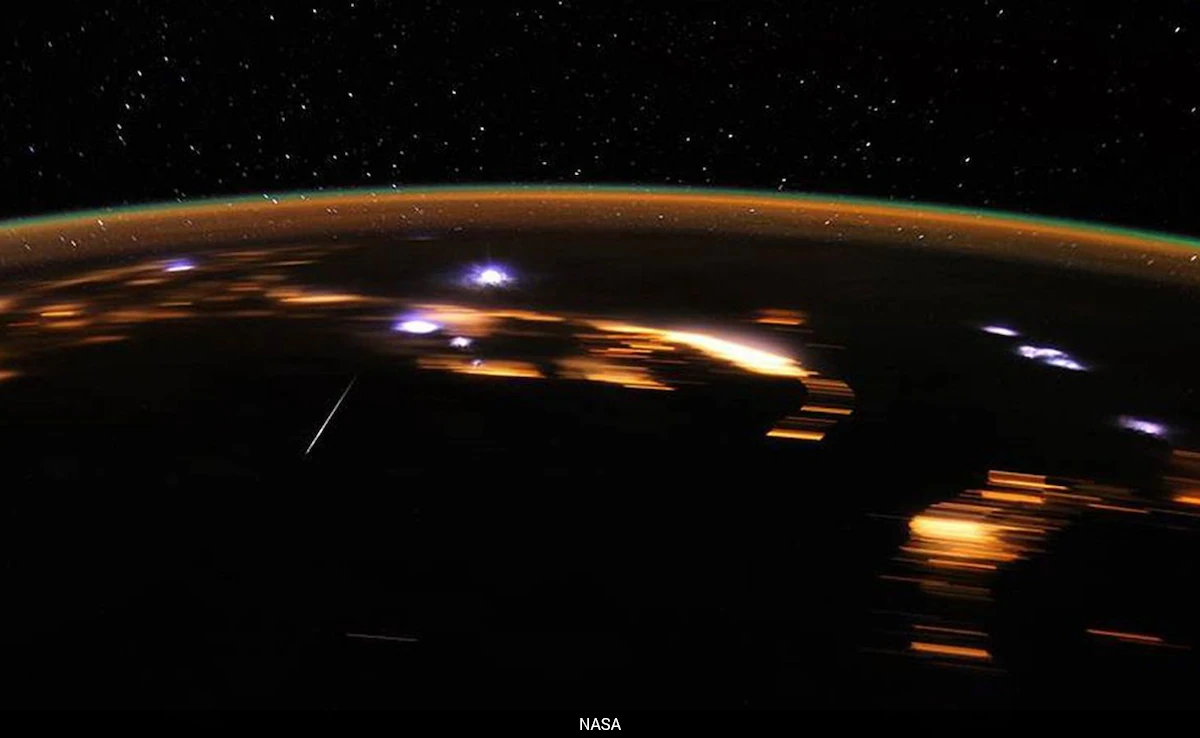
One of the oldest and most anticipated meteor showers of the year is currently under way, giving skywatchers across the Northern Hemisphere a chance to witness a dazzling natural spectacle before it fades out on 25 April.
According to Time and Date, Lyrid meteor shower is typically active between 16 and 25 April each year, peaking around 22 or 23 April. This year, the shower reached its maximum activity on Wednesday, with the peak falling during daylight hours for much of North America.
However, observers in the Northern Hemisphere had their best opportunity to view the display from Tuesday night through to dawn on Wednesday morning, as per CNN.
According to EarthSky, under ideal dark-sky conditions, viewers can expect to see between 10 and 15 meteors per hour. The Lyrids are also known for occasional surges that can bring rates of up to 100 meteors per hour, as well as bright fireballs that can outshine the planet Venus.
The shower takes its name from the constellation Lyra, and the meteors are created by debris from Comet Thatcher, which takes approximately 415 years to complete a single orbit around the Sun. Historical Chinese records suggest the shower has been observed for more than 2,500 years, making it one of the oldest documented meteor showers in history.
According to Space, the shower's radiant point sits close to the bright star Vega in the constellation Lyra, and the best time to observe is in the hours before sunrise, when the radiant is at its highest point in the sky.
The darker the skies, the greater the chance of spotting fainter meteors. Those in rural areas away from city light pollution will enjoy the most impressive views, though particularly bright meteors may also be visible from urban centres, as per Natural History Museum.
For 2026, the Moon is a thin crescent and sits low in the sky, meaning lunar glare should not significantly affect viewing. Watching from late evening into dawn on the nights of 21/22 and 22/23 April should offer the best rates, according to BBC Sky at Night Magazine. No telescope or special equipment is needed. Simply find a dark spot, lie back, and allow your eyes roughly 20 minutes to adjust to the darkness.
Track Latest News Live on NDTV.com and get news updates from India and around the world

