





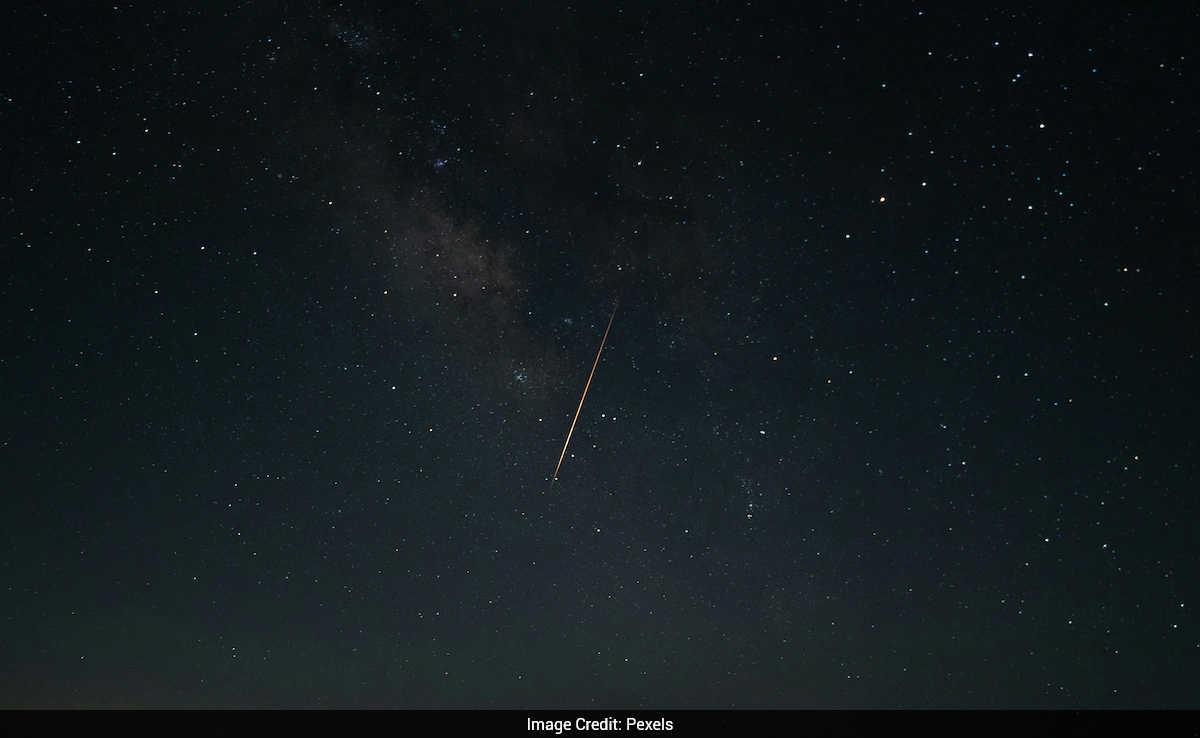
The Lyrid meteor shower has returned, offering skywatchers a chance to witness fast and bright shooting stars. Experts say that knowing where and how to look can greatly improve the chances of spotting these meteors, reported Space.com.
The Lyrid meteors appear to come from the constellation Lyra, which rises in the northeast and moves higher in the sky during the early morning hours. This means the meteor shower is best seen by those who wake up early.
Lyra can be located by finding Vega, one of the brightest stars visible in the night sky during this time of year.
Vega appears above the northeastern horizon shortly after sunset and continues to climb higher as the night progresses. Stargazing apps can help identify Vega and other objects in the sky.
Viewers are advised not to look directly at the point where the meteors appear to originate. Although they appear to originate from the constellation Lyra, their longer, more pronounced trails usually appear away from that location.
Therefore, it is important to monitor the surrounding sky and remain vigilant, as meteors can appear in any direction.
Under ideal conditions, the Lyrid meteor shower can produce approximately 15 to 20 meteors per hour.
This year, viewing conditions are expected to be favourable, as the moon will set after midnight, making the sky darker during peak hours and allowing the meteors to be clearly visible.
Tips For Viewing The Meteor Shower
To see better and longer meteor streaks, one should look slightly away from Lyra. It is also important to stay away from city lights and focus on the darkest part of the sky. Open and spacious locations, such as fields, beaches, or hills, are more suitable for viewing, as they offer a clear view of a larger area of the sky, increasing the chances of spotting meteors.
Viewers should allow at least 20 to 30 minutes for their eyes to adjust to the darkness and avoid using mobile phones during this time. It's also important to be patient and comfortable, as the longer you gaze at the sky, the greater your chances of seeing more meteors.
Track Latest News Live on NDTV.com and get news updates from India and around the world

