





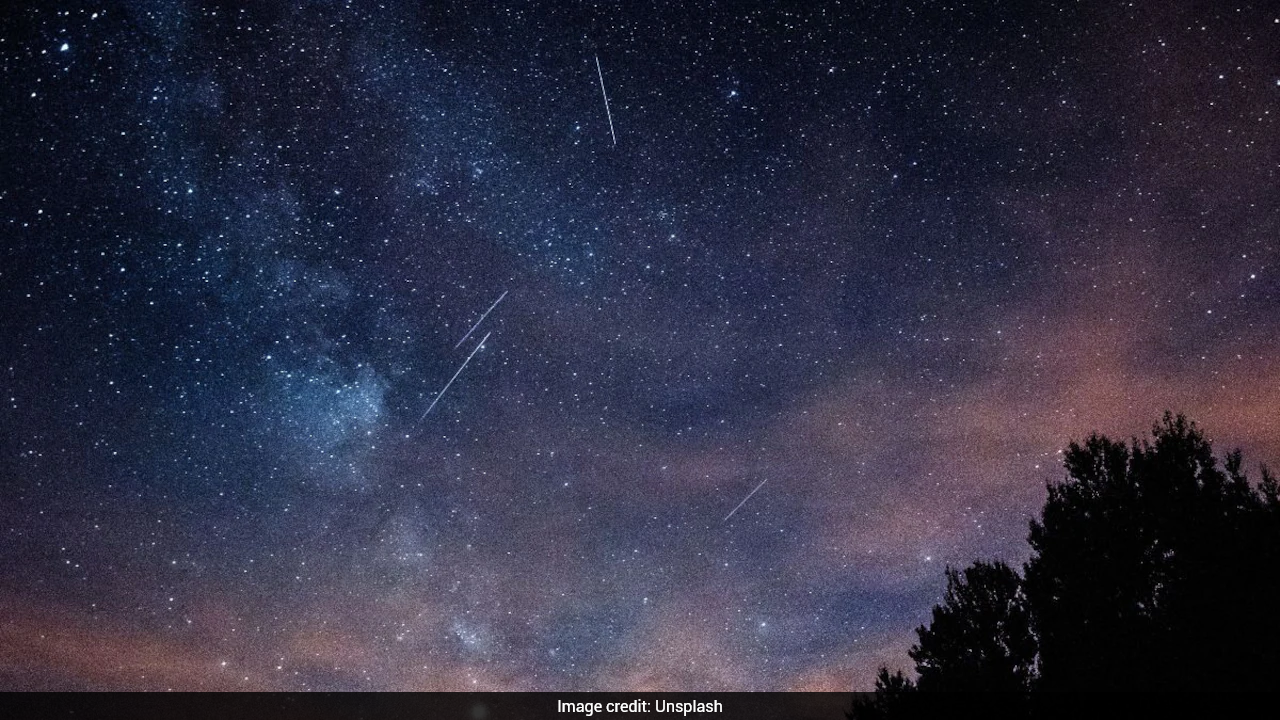
Draconid meteor shower 2026: Stargazers across the Northern Hemisphere are in for a treat this week as the annual Draconid meteor shower is expected to peak on the night of October 8. According to NASA, it will be followed by the Orionid meteor shower, which will peak on October 21. Draconid meteor shower is active each year from October 6 through October 10 and offers a great chance to see slow-moving meteors in the autumn night. Unlike most meteor showers that force skywatchers to stay up past midnight, the Draconids put on their best display in the early evening.
Also read | A "Phoenix" World: Scientists Spot Planet Born From Ashes Of A Dead Star
Draconid meteor shower: When to watch?
The shower peaks during the evening of Thursday, October 8, carrying into the early morning hours of Friday, October 9.
Astronomers expect peak activity around 9:00 pm Eastern Time on October 8 (1:00 UTC on October 9).
The best viewing window begins as soon as twilight fades because the meteor origin point, the constellation Draco the Dragon, sits highest in the sky right after nightfall.
"This is an ideal meteor shower for casual sky watchers, since it begins soon after darkness falls rather than in the early morning hours," NASA said.
Also read | Himalayan Bird Changing Its Voice, Moving To Higher Altitudes Due To Human Activity, Study Finds
Draconid meteor shower: What makes 2026 special?
This year is special as a thin waning crescent moon will sit low on the horizon and won't rise until shortly before dawn. And because of the lack of moonlight in the sky, it would be easier to spot even faint meteor trails.
Expected rate: Around 5 to 10 meteors per hour under dark, clear skies.
Speed: Draconids move noticeably slower than meteors from other showers, often leaving soft streaks.
Best region: Viewers in the Northern Hemisphere get the best view. Southern Hemisphere stargazers will see far fewer meteors because Draco sits very low near their horizon.
The space agency said, "Find a dark spot, let your eyes adjust, and watch for meteors streaking from anywhere across the sky. A relatively modest shower; viewers may spot a few meteors per hour."
Track Latest News Live on NDTV.com and get news updates from India and around the world

