






Past conflicts in the Middle East typically hit India at the gas station. This time, the risks transcend oil, threatening everything from smartphone exports to New Delhi's fragile finances.
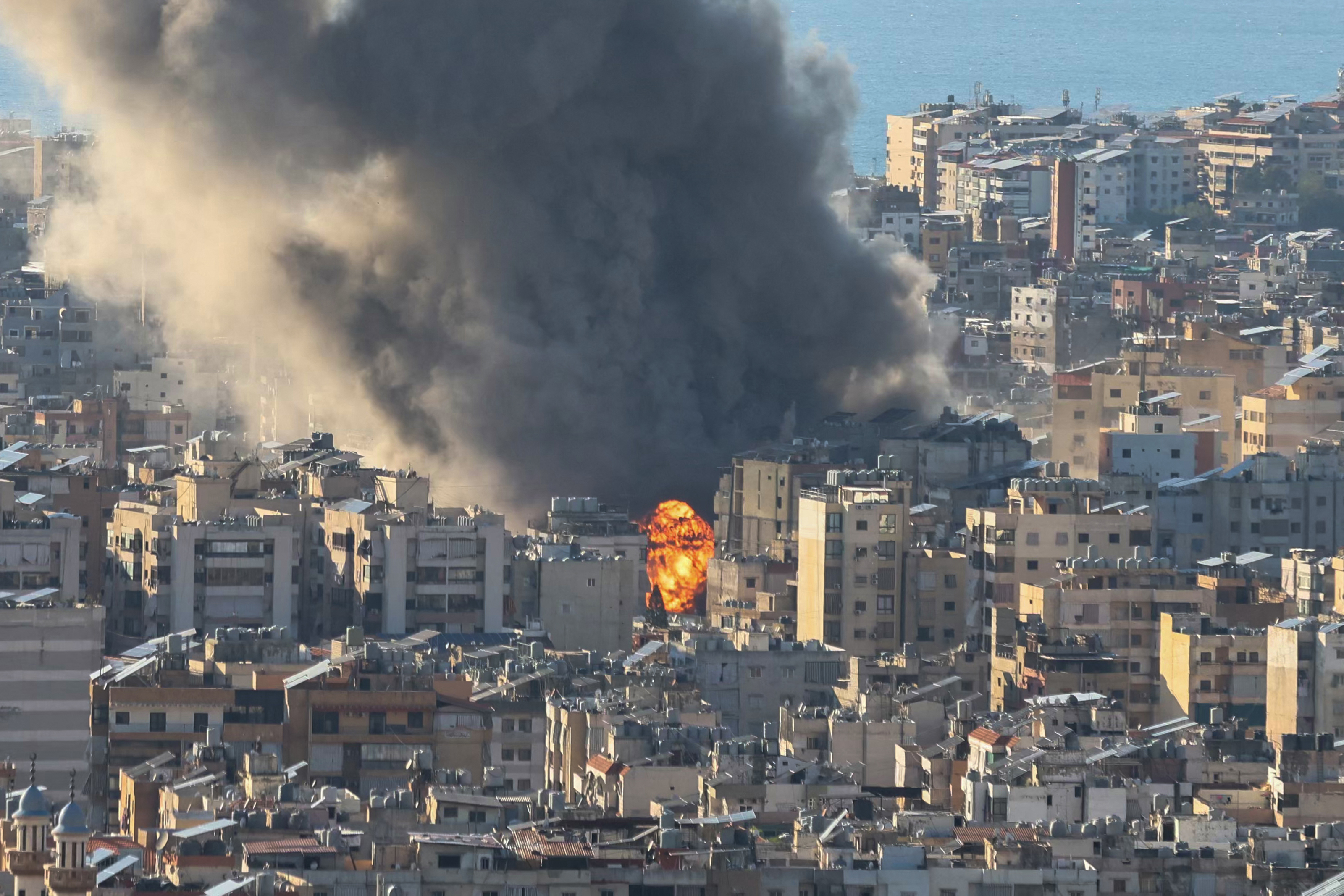
Flames have reached the United Arab Emirates, India's second-largest electronics export destination after the US. Beyond being an entrepot for regional trade, Dubai and Abu Dhabi are wealth hubs for the Indian elite. Additionally, nine million Indians work in the Persian Gulf, providing critical remittances. As Iran vows retribution for the killing of Ayatollah Ali Khamenei by the US and Israel, both migrant laborers and affluent professionals are on edge.
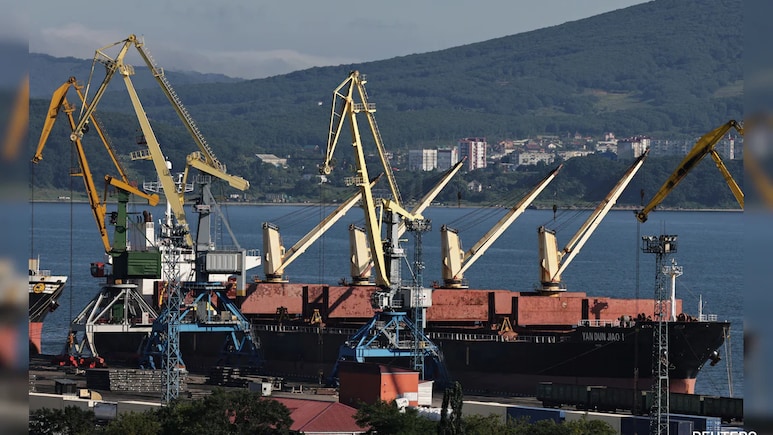
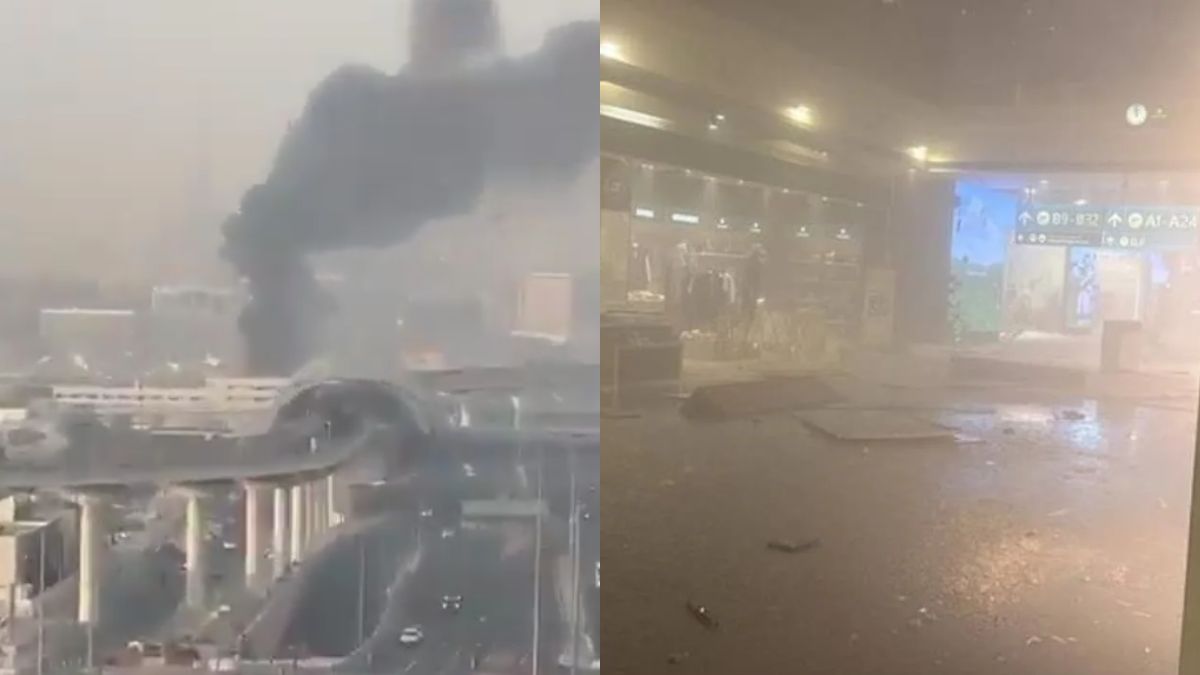
Oil trade through the Strait of Hormuz - conduit for half of India's energy imports - is at a standstill. A prolonged blockade could widen the current account deficit and ignite inflation. Shipping channels are increasingly perilous; after missile or drone debris caused fires at Dubai's Jebel Ali berths, an association of Indian rice exporters warned of soaring freight and insurance costs.
India's vulnerability is the exchange rate. The rupee, the worst-performing Asian currency, has tumbled 9% against the dollar over the past two years to about 91.5. This has happened even with the greenback losing ground elsewhere. While weak domestic demand and soft commodity prices have kept inflation in check, the calm may end abruptly. Were the rupee to edge toward the psychological cliff of 100 to the dollar while oil races toward $100 a barrel, the Reserve Bank of India may have to raise interest rates. A higher cost of capital could delay a long-awaited revival of private investment.
Since the situation is grave enough to stall the global economy, India could be hopeful of an early resolution. But if the security landscape in the Middle East turns uglier still, New Delhi may have to bear the cost of evacuating its stranded nationals. Gold, which has tripled in value since the Ukraine war, will add to the fiscal pressure. Indian households are pivoting to the metal as a safe haven, but the UAE - the primary source of imports under a free-trade deal - is effectively closed for freight movement.
Sizzling local gold prices could cause the government's fiscal math to come unstuck. In 2015, it decided to borrow from the public by issuing bonds linked to the metal's price. Although the idea was to wean the population off its unproductive gold-loving habit, the mandarins in the finance ministry never bothered to hedge their naked short position, which has gone parabolic. The treasury remains on the hook for roughly 124 tons - a 2 trillion rupees ($22 billion) liability - with the last bonds retiring in 2032.
Like their counterparts elsewhere, Indian family offices had never imagined that Palm Jumeirah, Dubai's toniest neighborhood, would one day be catching the wreckage from drones and missiles. Now that the unthinkable has happened, they won't exactly be rushing to bring their money back home - they would rather flee to Singapore and Hong Kong. Even the flow of capital from the Middle East could pause as the region's sovereign wealth funds reassess their investment priorities.
The immediate worry is oil because India has very little of its own. Despite ancient ties, Prime Minister Narendra Modi's Jerusalem visit - days before the US-Israel strikes - likely alienated Iran. Domestic security risks also loom: While many in India viewed Khamenei's regime as repressive, he remained a spiritual leader to the Shia community. Globally, two out of five Shia Muslims live in Iran; about 20 million - or one in 10 - call India home.
Beyond the fuel pump, an enduring conflict could threaten food security. Qatar's liquefied natural gas, whose production has come to a temporary halt, is required as a feedstock in domestic fertilizer plants. Include it, and nearly half of India's soil nutrients are physically or economically hostage to the Gulf. A sustained stoppage would force a hard choice: a big expansion of an already sizable $19 billion fertilizer subsidy, or the displeasure of tens of millions of farming households. With PM Modi's party facing elections in key Indian states, a shortage of crop nutrients may be as dangerous as empty fuel tanks.
While it may be too late to do anything about New Delhi's ballooning gold liabilities, the strike in the Middle East opens up space for a hard-nosed renegotiation of India's energy red lines: Washington should either grant waivers for Russian oil imports or provide access to US strategic reserves at preferential prices.
Other than that, it's just hopes and prayers. Unless the latest geopolitical conflagration is extinguished quickly, several economic flames are bound to leap toward India.
(Andy Mukherjee is a Bloomberg Opinion columnist covering industrial companies and financial services. He previously was a columnist for Reuters Breakingviews. He has also worked for the Straits Times, ET NOW and Bloomberg News.)
Disclaimer: These are the personal opinions of the author.

