




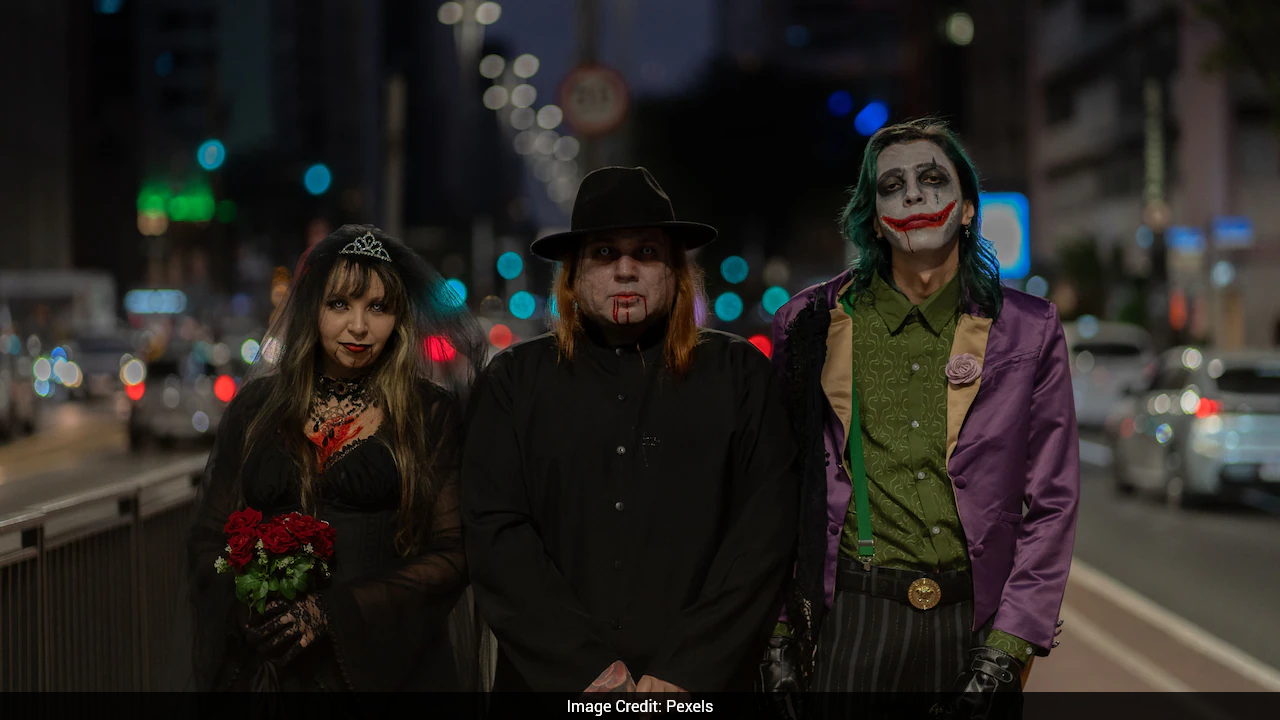
Halloween 2026 will be celebrated on Saturday, October 31, with people dressing up in spooky costumes, carving pumpkins, attending themed parties and taking part in trick-or-treating. Observed every year on October 31, the festival has roots in ancient Celtic traditions and Christian observances. While Halloween is widely celebrated in countries such as the United States, Canada, Ireland and the United Kingdom, its popularity has also grown in India.
Halloween 2026 Date And Significance
Halloween falls on October 31 every year, regardless of the day of the week. The name comes from All Hallows' Eve, which refers to the evening before All Saints' Day, observed on November 1 in the Christian calendar. All Souls' Day follows on November 2 and is associated with remembering departed souls in many Christian traditions.
Historically, Halloween has been associated with remembering the dead, supernatural beliefs and the transition from autumn to winter. Today, however, the festival is largely celebrated through entertainment, costumes, parties and community activities.
History And Origins Of Halloween
Halloween's origins are commonly traced to Samhain, an ancient Celtic festival that marked the end of the harvest season and the beginning of winter. It was observed in regions that include present-day Ireland and Scotland.
Historical accounts associate Samhain with the belief that the boundary between the living and the spirit world became less distinct during this seasonal transition. Bonfires and disguises were among the customs linked to the festival.
Over time, Christian traditions influenced Halloween celebrations. All Saints' Day honours saints, while All Souls' Day is associated with remembering departed souls. The evening before All Saints' Day became known as All Hallows' Eve, which eventually gave the festival its present name.
Halloween later evolved, with Irish and other immigrants helping popularise its traditions in the United States during the 19th century.
Halloween Traditions And Customs
Halloween is celebrated through several traditions that bring together costumes, decorations, sweets and spooky things.
Trick-or-Treating
Children dress up in scary or funny costumes and go from door to door, shouting, "Trick or Treat!" Neighbours give them candy or sweets. This tradition dates back to an ancient Celtic custom, which believed that offering food to spirits brought good luck.
Carving Pumpkins
Another popular Halloween custom is carving pumpkins into jack-o'-lanterns. This comes from an old Irish legend about Stingy Jack, a man who tricked the devil but was cursed to roam the earth with only a burning coal inside a carved-out turnip to light his way.
When Irish immigrants arrived in America, they discovered that pumpkins were easier to cut than turnips. From then on, they began using pumpkins. Today, people carve pumpkins in different shapes and faces; orange, white, or large, all kinds of pumpkins are used as Halloween decorations.
Wearing Spooky Costumes
Ghosts, witches, skeletons, vampires and monsters are traditional Halloween costume choices. Modern celebrations also feature superheroes, fictional characters and humorous disguises.
Organising Themed Parties
Halloween parties are popular among both children and adults. These celebrations often feature costume contests, themed food, games and spooky music. Decorations commonly include cobwebs, bats, skeletons and ghosts.
Watching Horror Movies
Horror movie marathons, haunted houses and spooky attractions have also become popular Halloween activities.
Halloween Colours And Symbols
Orange and black are the traditional colours associated with Halloween. Orange represents autumn, pumpkins and the harvest season, while black is associated with darkness, night and the festival's spooky themes.
Purple and green are also frequently used in modern Halloween decorations, costumes and themed displays. Other popular symbols include pumpkins, bats, witches, black cats, ghosts and skeletons.
Track Latest News Live on NDTV.com and get news updates from India and around the world

