





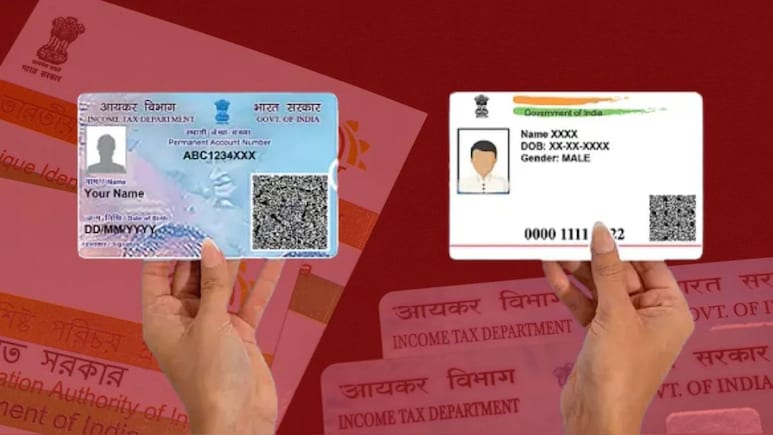
India's digital identity ecosystem-built around Aadhaar, PAN and platforms such as DigiLocker-has become central to taxation, banking, government services and digital verification. With new compliance deadlines and expanded online services coming into effect, experts say Indians should check their digital documents to avoid disruptions in 2026.
Here are five key digital rules and updates citizens should know.
1. PAN must be linked with Aadhaar
One of the most important compliance requirements is linking the Permanent Account Number (PAN) with Aadhaar. The Income Tax Department has warned that PAN cards not linked to Aadhaar by 31 December 2025 may become "inoperative" from 1 January 2026.
If PAN becomes inactive, taxpayers may face difficulties filing income tax returns, receiving refunds or carrying out financial transactions that require PAN verification.
What to do: Check the linking status on the official Income Tax portal and complete the process online if required.
2. Aadhaar details can increasingly be updated online
The Unique Identification Authority of India (UIDAI) has expanded digital services for Aadhaar updates. From late 2025, several corrections-such as name, address, date of birth and mobile number-can be updated online without visiting an Aadhaar enrolment centre.
Users can upload supporting documents digitally, which are then verified through UIDAI systems.
What to do: Ensure your Aadhaar details match other official documents like PAN to avoid KYC failures.
3. DigiLocker is becoming a key digital document wallet
The government's DigiLocker allows citizens to store and access verified digital documents such as driving licences, vehicle registration certificates, academic records and identity documents.
DigiLocker documents are legally recognised under India's Information Technology Act and are widely accepted for digital KYC, government services and job applications.
What to do: Link Aadhaar to DigiLocker and keep essential documents stored for quick access.
4. Digital KYC and document verification are expanding
Banks, fintech platforms and government services increasingly rely on digital KYC verification using Aadhaar, PAN and DigiLocker-based documents.
The government's push for paperless verification is part of the broader Digital India initiative, aiming to reduce fraud, speed up onboarding and simplify service delivery.
What to do: Ensure that personal details such as name, date of birth and mobile number are consistent across all digital IDs.
5. Inactive or mismatched documents can disrupt financial services
Experts warn that mismatches between PAN, Aadhaar and other digital records can lead to failed KYC verification, higher tax deductions or blocked transactions.
For instance, an inoperative PAN could prevent taxpayers from filing returns, receiving refunds or completing certain financial investments.
What to do: Periodically verify the status of your PAN, Aadhaar and DigiLocker records.
Why these rules matter
India now has hundreds of millions of PAN holders and Aadhaar users, and these IDs are increasingly linked across government and financial systems to improve compliance and reduce fraud.
As digital identity becomes the backbone of services-from tax filing to banking-keeping documents updated and linked is essential to avoid administrative or financial disruptions.
Track Latest News Live on NDTV.com and get news updates from India and around the world

