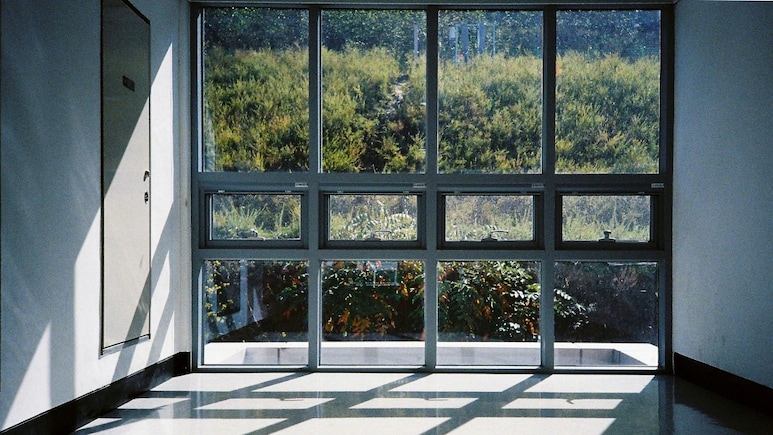
- Dutch people often leave curtains open at night and during the day
- Open curtains reflect Dutch views on the boundary between private and public life
- Calvinism influenced openness but does not fully explain the curtain-free habit
If you spend an evening walking through a Dutch neighbourhood, one detail is likely to catch your eye. As the lights come on, you can often see straight into people's living rooms. Sofas, lamps, dining tables, and even family dinners are clearly visible from the street. For visitors, this can feel surprising, even uncomfortable. In many countries, curtains are drawn as soon as it gets dark. In the Netherlands, they often remain wide open.The same goes for the daytime as well, when windows are frequently left uncovered.
This habit has puzzled outsiders for years, and it has led to many theories. This curiosity has also found an echo on social media, where a user recently shared a reel reacting to the curtain-free culture in the Netherlands.
Some say it is about religion. Others believe it is about history or even the weather.
First, it is important to clear up a misunderstanding. Dutch people are not inviting strangers to stare into their homes. Standing outside a house and looking in for too long is still considered rude and unsettling. A quick glance while walking past is normal, but lingering is not. The open windows are not about encouraging attention but about how Dutch people view the boundary between private and public life.
Calvinism
One of the most commonly mentioned explanations is Calvinism, a Protestant tradition that played a strong role in Dutch history. Calvinism values modesty, honesty, and transparency. According to this idea, open curtains signal that you have nothing to hide and live a respectable life. While this belief has influenced Dutch culture in many ways, researchers and historians agree that it does not fully explain today's curtain-free windows. Modern Dutch society is largely secular, yet the habit remains widespread.
Second World War
Another popular explanation is linked to the Second World War. During the German occupation, strict blackout rules were enforced. Citizens were required to block all light from escaping their homes at night, using thick curtains or dark coverings. Any light visible from outside could lead to fines. After the war ended, people were relieved to open their curtains again. While this experience shaped attitudes towards light and freedom, it is not considered the main reason why open windows became a lasting custom.
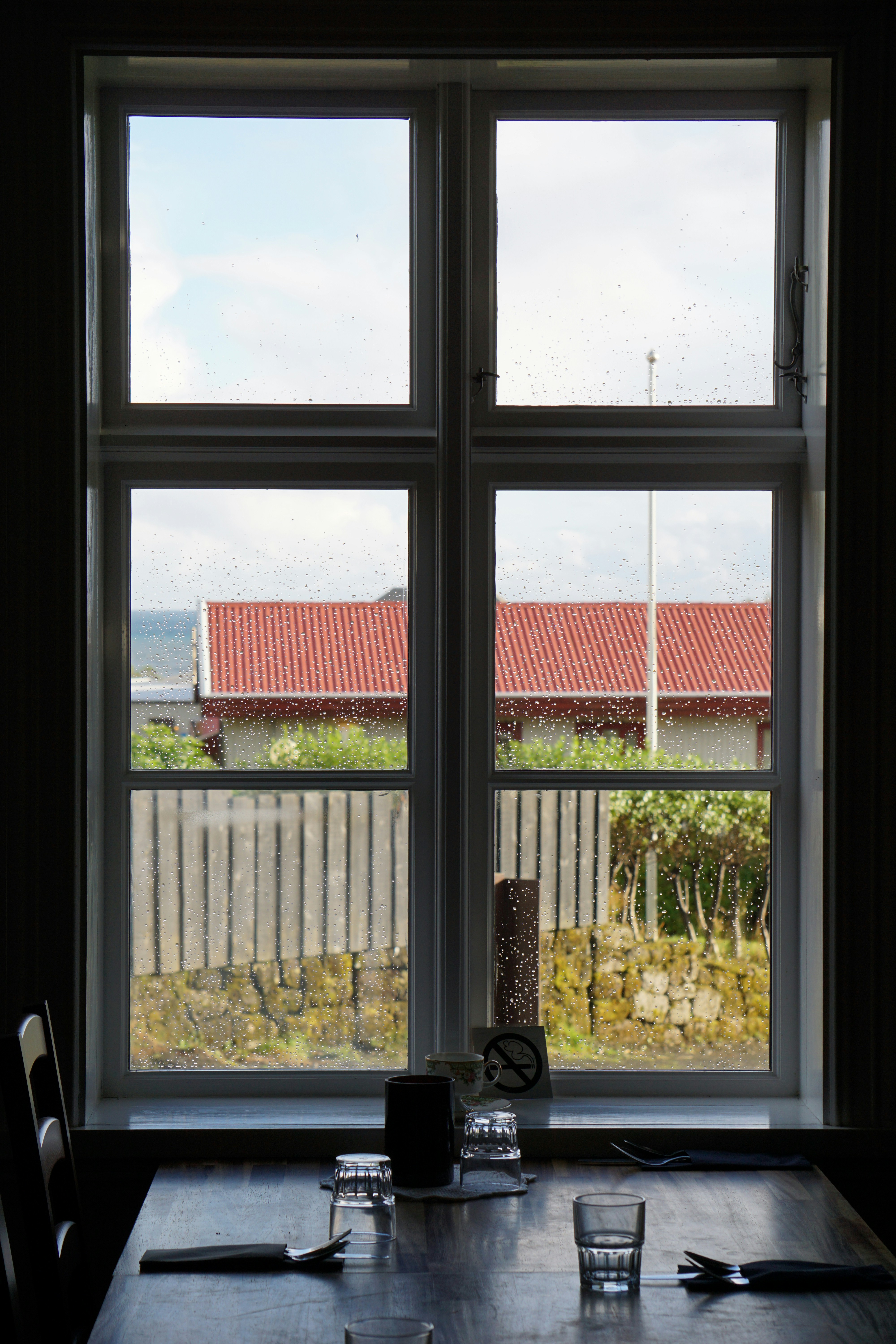
The open windows are not about encouraging attention but about how Dutch people view the boundary between private and public life.
Photo Credit: Unsplash
Climate
Climate is also often mentioned. The Netherlands does not receive an abundance of sunlight, especially in autumn and winter. Short days, cloudy skies, and long evenings make daylight feel precious. Letting in as much natural light as possible makes homes feel brighter and more welcoming. While this plays a role, it still does not fully explain why people keep their curtains open even after dark.
Lifestyle
A more convincing reason lies in social behaviour and neighbourhood life. Studies have shown that people in close-knit communities are more likely to leave their curtains open. Open windows allow residents to feel connected to the street and to one another. You can see who is passing by, what is happening outside, and whether everything feels normal and safe. In this way, open curtains quietly support a sense of trust and shared responsibility.
The window becomes a soft border between inside and outside, rather than a firm barrier. It reflects a cultural preference for openness without direct interaction.
There is also a practical side. Dutch homes, especially in cities, are often narrow with large front windows. Curtains can block light and make rooms feel smaller. Many people simply prefer the feeling of space and visibility. Rather than hiding their interiors, they design them with the knowledge that they are partially visible from the street.
Finally, there is an unspoken cultural agreement at play. Because many people keep their curtains open, everyone learns how to behave around it. Privacy is protected not by fabric, but by social norms.
In the end, the Dutch habit of leaving curtains open is not about one single reason. It is a mix of history, design, social trust, and everyday practicality. What may feel unusual to visitors is, for locals, simply normal life lived comfortably in full view, without feeling exposed.
Also Read: The Netherlands Allows Permanent Residency Applications For Under Rs 26,000 And Indians Can Apply Too
Track Latest News Live on NDTV.com and get news updates from India and around the world
