





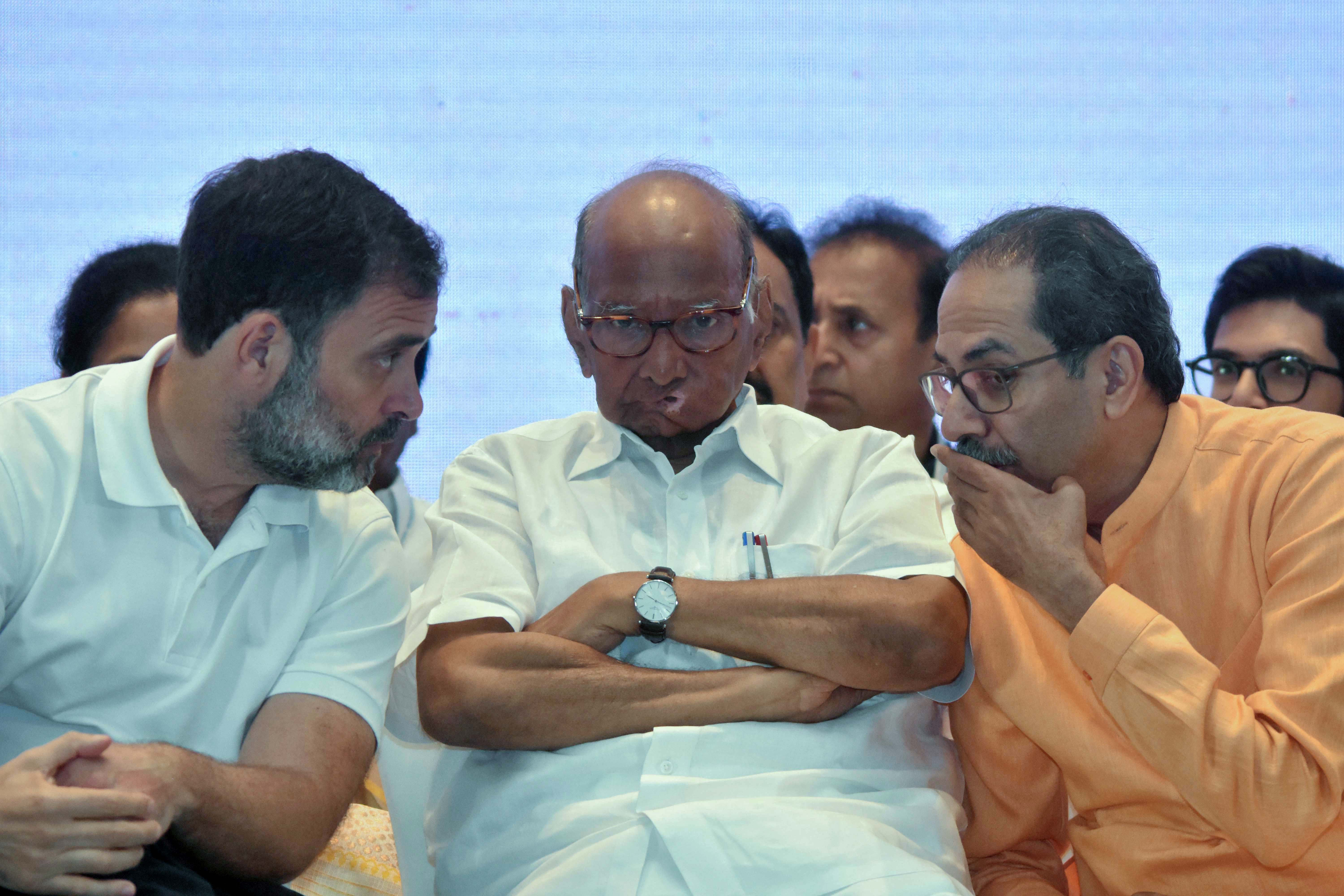
In a development unprecedented in the political history of the state, the Maharashtra Budget Session 2026 commenced on February 23 without a recognised Leader of Opposition (LoP) in either the Legislative Assembly or the Legislative Council. This follows months of political arithmetic and factional weakness among opposition ranks, prompting intense debate over democratic norms and legislative oversight.
Why The LoP Posts Are Vacant
Traditionally, the Leader of Opposition is the recognised leader of the largest non-ruling party in a legislature, a role intended to provide institutional balance and scrutiny of the government. In many parliamentary systems, including India's, the LoP plays a crucial role in legislative committees, appointments, and accountability mechanisms.
Under convention, a party generally needs at least 10% of the total members of a House to claim the LoP post. In the current 15th Maharashtra Legislative Assembly, following the 2024 state elections, no single opposition party has achieved this threshold in the 288-member House. As a result, the post remains unfilled.
In the 78-member Legislative Council, the situation has been further complicated by the resignation of Congress MLC Pradnya Satav, whose departure reduced the party's strength below the eligibility benchmark.
Political Reactions: Opposition Outcry
Leaders of the Maha Vikas Aghadi (MVA) alliance, mainly the Shiv Sena (UBT) and the Congress have voiced sharp criticism of this anomaly. MP Sanjay Raut described the situation as a "mockery of democracy", questioning how a parliament or legislature can function without a recognised opposition head and suggesting the government may be avoiding accountability. He said, "To run any House without a Leader of Opposition is against democratic principles. There have been three sessions so far, and yet LoP has not been appointed. Isn't this against the constitution?"
Shiv Sena (UBT) MLA Bhaskar Jadhav charged that the ruling Mahayuti alliance's sheer dominance and political inaction on facilitating recognition was an intentional weakening of democratic processes. He pointed to past instances where even smaller parties had been accorded the LoP role.
Largely, opposition MVA feels the absence of LoPs signals institutional imbalance at a time the government holds a commanding majority, a development they argue undermines the legislature's check-and-balance function.
Ruling Party's Position: Procedural Matter, Not Constitutional Mandate
The ruling alliance led by Chief Minister Devendra Fadnavis and his Deputy CMs has largely treated the issue as a procedural matter. According to Fadnavis, the decision to recognise a Leader of Opposition rests with the Speaker of the Assembly and the Chairman of the Council and is contingent on established conventions rather than strict constitutional compulsion. "The government remains focused on legislation, not internal opposition disputes," he said.
A senior Mahayuti minister added that the matter was an internal affair of the opposition parties and that the government would instead focus on delivering the legislative agenda and fiscal priorities outlined in the budget.
Analysis: Democratic Oversight At Crossroads
Political analysts suggest that this situation exposes gaps in legislative conventions versus constitutional prescriptions.
The Indian Constitution does not explicitly mandate a Leader of Opposition, and the recognition is often shaped by parliamentary conventions and internal Rules of Procedure. However, the absence of such a leader in both Houses, especially during a budget session, raises questions about institutional accountability.
Rohit Chandavarkar, political journalist and analyst, said that this has never happened in the history of the legislature and that protocols exist for a reason and they must be followed. "Procedures are not mere formalities; it is important to have a recognised face of the Opposition in the House. When the ruling party effectively controls the proceedings without that counterbalance, questions naturally arise. Technically and legally, there may be nothing wrong, but in terms of morality and political ethics, the spirit of democracy appears diminished," he said.
What Is At Stake?
• Committee participation: Many important committees include the LoP or an opposition representative whose absence could skew oversight.
• Debate quality: The opposition plays a vital role in shaping fiscal debates and probing government estimates. The lack of a designated LoP might weaken structured critique.
• Precedent: Although similar vacancies have occurred in other legislatures (including at the national level), Maharashtra's simultaneous vacancy in both Houses is without precedent.
Another political analyst, Sanjay Patil, emphasises that opposition voice in the assembly is important to keep the government in check, to pose questions on policies and decisions of the government and is essential in a democratic culture. "Regardless of the 10% rule, alternative mechanisms such as allowing the largest opposition party a special status could preserve democratic balance while respecting numerical realities," Patil said.
Broader Political Impact
The LoP vacancy also reflects deeper fractures within the opposition bloc in Maharashtra. "The MVA alliance's inability to secure the 10% threshold underscores electoral setbacks and organisational weaknesses," said Chandavarkar.
Observers note that the lack of a cohesive opposition strategy may have contributed to reduced presence and influence in legislative processes.
For the ruling Mahayuti, the situation could prove to be a double-edged sword: while it consolidates legislative control, it also invites sustained criticism over weakening democratic norms. As the session progresses and key bills, including the budget, are debated, the vacuum may influence both rhetoric and legislative outcomes.
The absence of recognised Leaders of Opposition in both Houses of the Maharashtra Legislature marks an extraordinary moment in the state's political evolution. It reflects shifting political dynamics, electoral outcomes and procedural interpretations. As the budget session is progressing, the efficacy of legislative scrutiny and democratic balance will likely remain under intense scrutiny from both political quarters and constitutional experts.
Track Latest News Live on NDTV.com and get news updates from India and around the world

