




The rise of the Bharatiya Janata Party (BJP) in West Bengal since the 2019 Lok Sabha polls has been exceptional. From raising its Lok Sabha tally from just two seats to 18 in 2019, to wiping out the Congress and the Left parties in the 2021 assembly polls to emerge as the main opposition in the state, winning 77 of 294 seats, the BJP's march has been powered primarily by the Rajbanshi and Matua communities of the state, spread across the northern and eastern border regions, respectively.
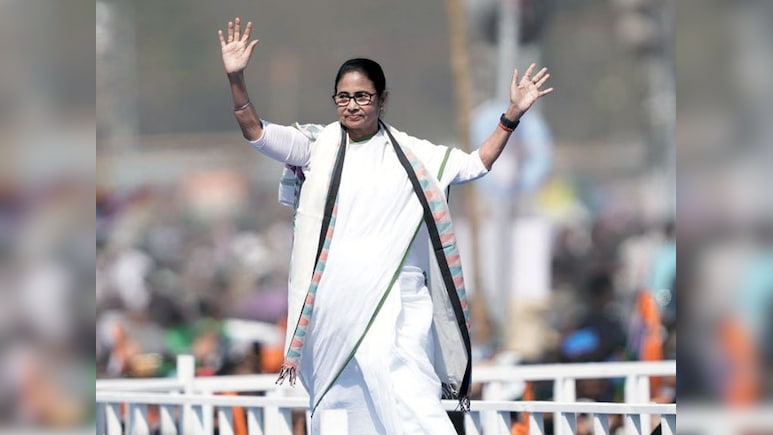
The BJP's stunning performance in 2019 was a jolt for Chief Minister Mamata Banerjee's Trinamool Congress. Well into her second term then, Mamata wasted no time focusing on north Bengal - both in the context of her government's initiatives and the Trinamool Congress's organisational push. The efforts in north Bengal yielded some results for her party in the 2021 assembly polls. The BJP still gathered most of its strength from north Bengal to make it to 77 seats but had to yield some to the Trinamool.
In the 2024 Lok Sabha polls, the BJP went down from 18 to 12 seats in Bengal but continued to derive support from north Bengal, where the Rajbanshis are a dominant SC community, and from Matua-dominated areas across districts on the eastern Bangladesh border.
The BJP's Rajbanshi and Matua campaign was largely driven by the citizenship plank. The Centre's NRC-CAA move generated fear among the Matuas, who came from East Pakistan - or today's Bangladesh - post-Partition. The Rajbanshis have been demanding a separate "Kamtapur" and want their language to be recognised in the 8th Schedule of the Constitution, among other things. They hope that the BJP government at the Centre would be able to deliver these things.
But while such issues take time to be resolved, Mamata Banerjee has been trying to sway the Rajbanshis away from the BJP. The community dominated over 22 of the 54 seats in north Bengal. Before the rise of the BJP, the region used to be a stronghold of the Congress as well as of the Communist Party of India (Marxist) (CPI-M) and Left allies. The Trinamool was a weak player there.
In the Matua-dominated Nadia, North and South 24 Parganas, as well as in some other pockets along the eastern border, Mamata has already made her moves. She first divided the Matua vote by sending Mamata Thakur, a family member of the community's spiritual leader Harichand Thakur, to the Rajya Sabha on a Trinamool ticket. This was aimed at countering the BJP's Shantanu Thakur, another member of the same family. Mamata has also tried to capitalise on the apprehensions around the SIR process - the community is uncomfortable with the exercise and fears getting uprooted after having spent generations in Bengal. Mamata has sought to assure them that she will "not allow anyone to be disenfranchised". The fear of losing "voting rights" has also added to the anxiety, which Mamata seemingly addressed when she went to the Supreme Court to "fight for the rights of the citizens". Since then, there has been no let-up in the Trinamool's messaging. The BJP, in any case, has called it Mamata's "desperation".
Between 2019 and 2024, the Trinamool Congress's general secretary, Abhishek Banerjee, also worked on building a strong organisational machinery in the region. Not only did it pick Prakash Chik Barik, who hails from the tribal community in Alipurduar, as its Rajya Sabha member in 2023, but he also contested the 2024 general election from his home seat (though he lost to the BJP).
The Bangabushan award conferred on February 21 upon the BJP's Rajya Sabha MP, Ananta Maharaj, alias Nagendra Roy, from Cooch Behar, should be seen in the same light. The idea was to bring the Rajbanshi language into the limelight on World Mother Language Day.
All these steps have gradually improved the Trinamool's foothold in the BJP-dominated region. Whether they'll yield results is a question for the polling day.
(The author is a Guest Contributor)
Disclaimer: These are the personal opinions of the author

