





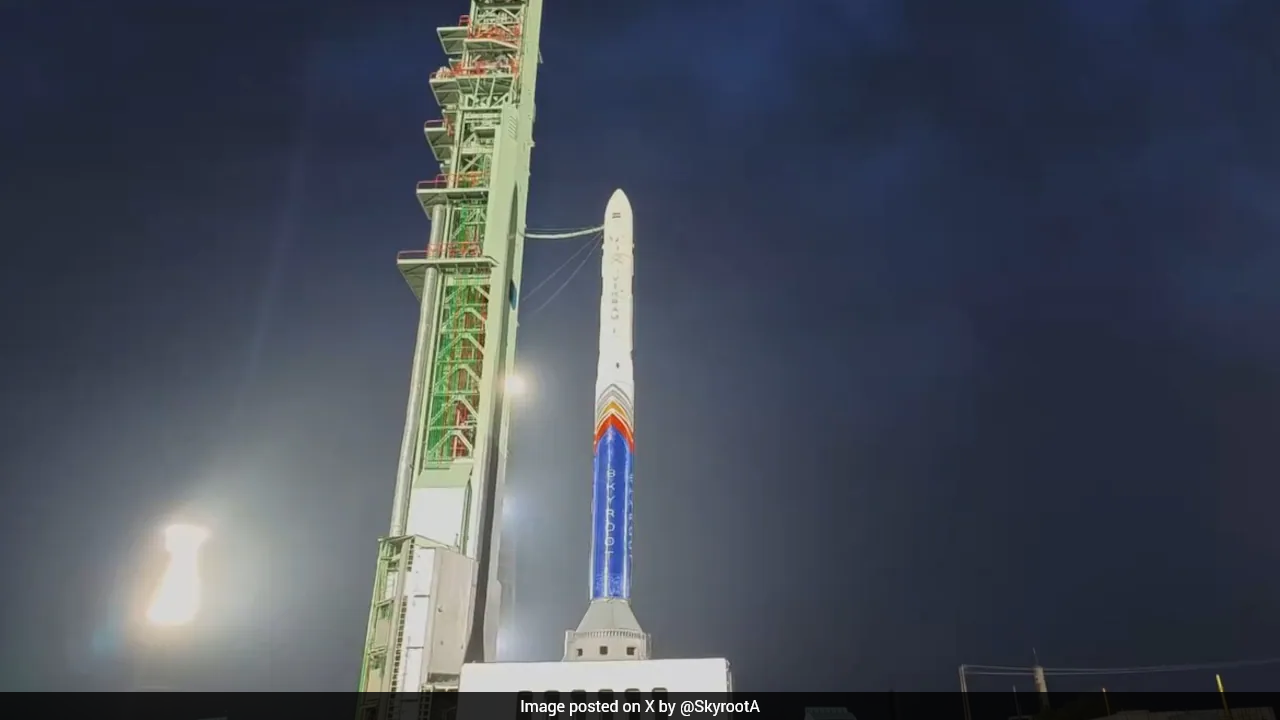
- Mukesh Bansal invested Rs 10 crore in Skyroot Aerospace after a cold LinkedIn message in 2018
- Skyroot became India’s first private company to launch an orbital rocket, Vikram 1
- Pandemic financial stress led Bansal to invest an additional Rs 2 crore, keeping Skyroot afloat
The angel, the rocket and the billion dollar dream.
In India's technology and start-up ecosystem, few stories capture the spirit of mentorship better than the remarkable journey of Hyderabad-based Skyroot Aerospace and the man who first believed in its founders when almost no one else did.
It began not in a boardroom, not at an investor summit and not in a government office.
It began with a cold LinkedIn inbox message.
In 2018, two young engineers working at ISRO's Vikram Sarabhai Space Centre in Thiruvananthapuram reached out to entrepreneur and investor Mukesh Bansal. Their message was simple and audacious. They wanted to build a private rocket company in India.
Read | Skyroot's Moment, ISRO's Legacy: Story Behind India's 1st Private Rocket
At that time there was no established private space ecosystem in India. There was no clear path for a private company to build and launch orbital rockets. To many, the idea seemed unrealistic.
But Mukesh Bansal replied. He met them within days. Soon after, he wrote a cheque for Rs 10 crore.
Years later, when the company faced financial stress during the pandemic and investors were unwilling to touch a space start-up, he added another Rs 2 crore.
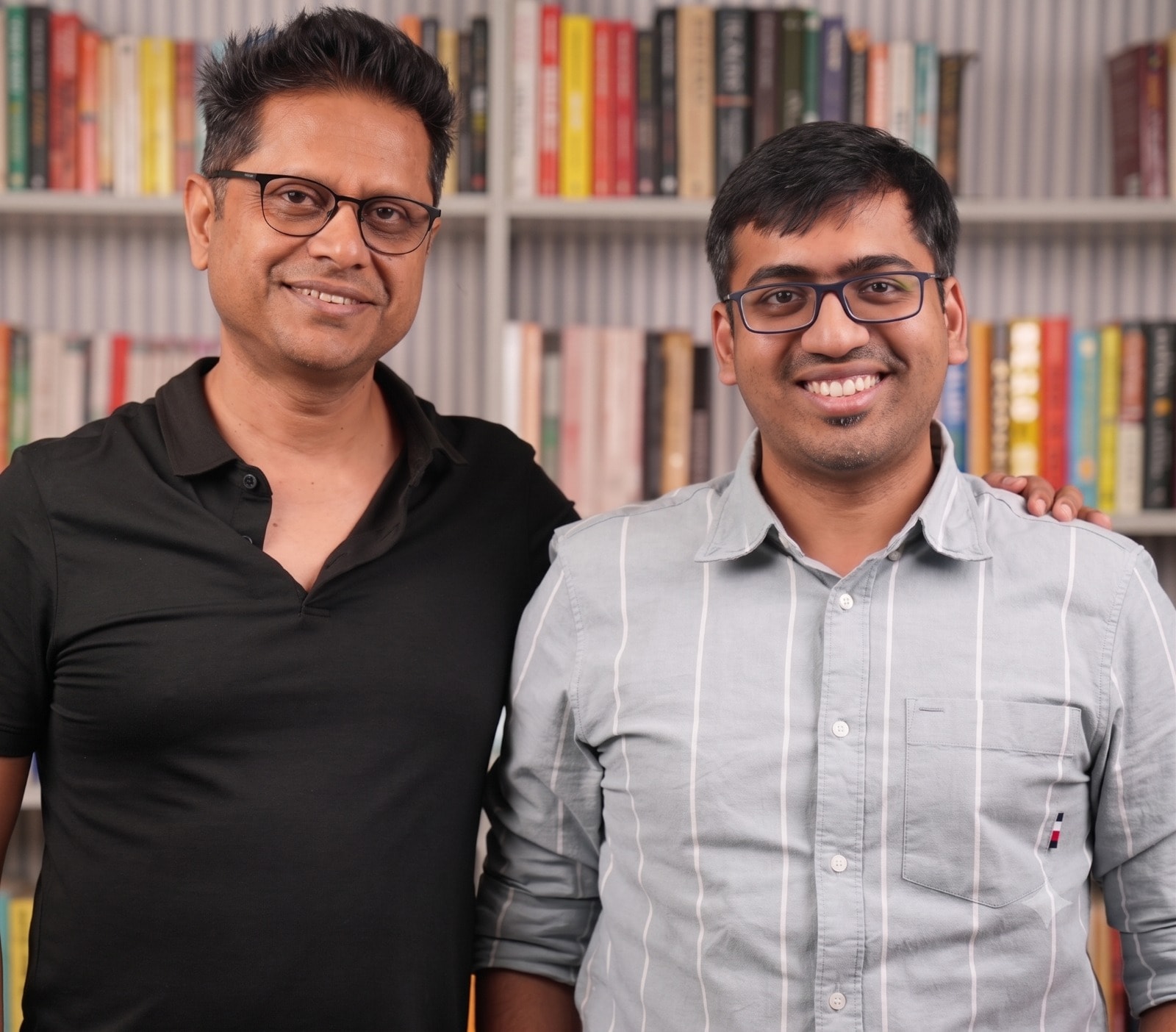
Mukesh Bansal and Pawan Chandana
Together, those investments became the escape velocity that helped propel Skyroot Aerospace from an idea into India's first private company to successfully place a rocket into orbit.
The company is today valued at over a billion dollars, a journey that transformed a risky start up into a unicorn.
For Skyroot founder, Pawan Chandana, the significance of that first cheque remains deeply emotional.
Chandana said "he wanted to thank someone who gave Skyroot Aerospace its first lift off, Mukesh Bansal."
"Eight years ago, we sent him a cold LinkedIn message. He replied. We met that very weekend. Soon after, he became Skyroot's first investor with a Rs 10 crore cheque."
Chandana recalled that there was no space policy, no proof that an Indian private company could build an orbital rocket and every reason for an investor to walk away.
"Yet he looked beyond the uncertainty. He believed in our passion and saw possibility long before there was evidence."
The young men approached Bansal, seeking trust and support. He responded not with advice alone but with capital, confidence and conviction.
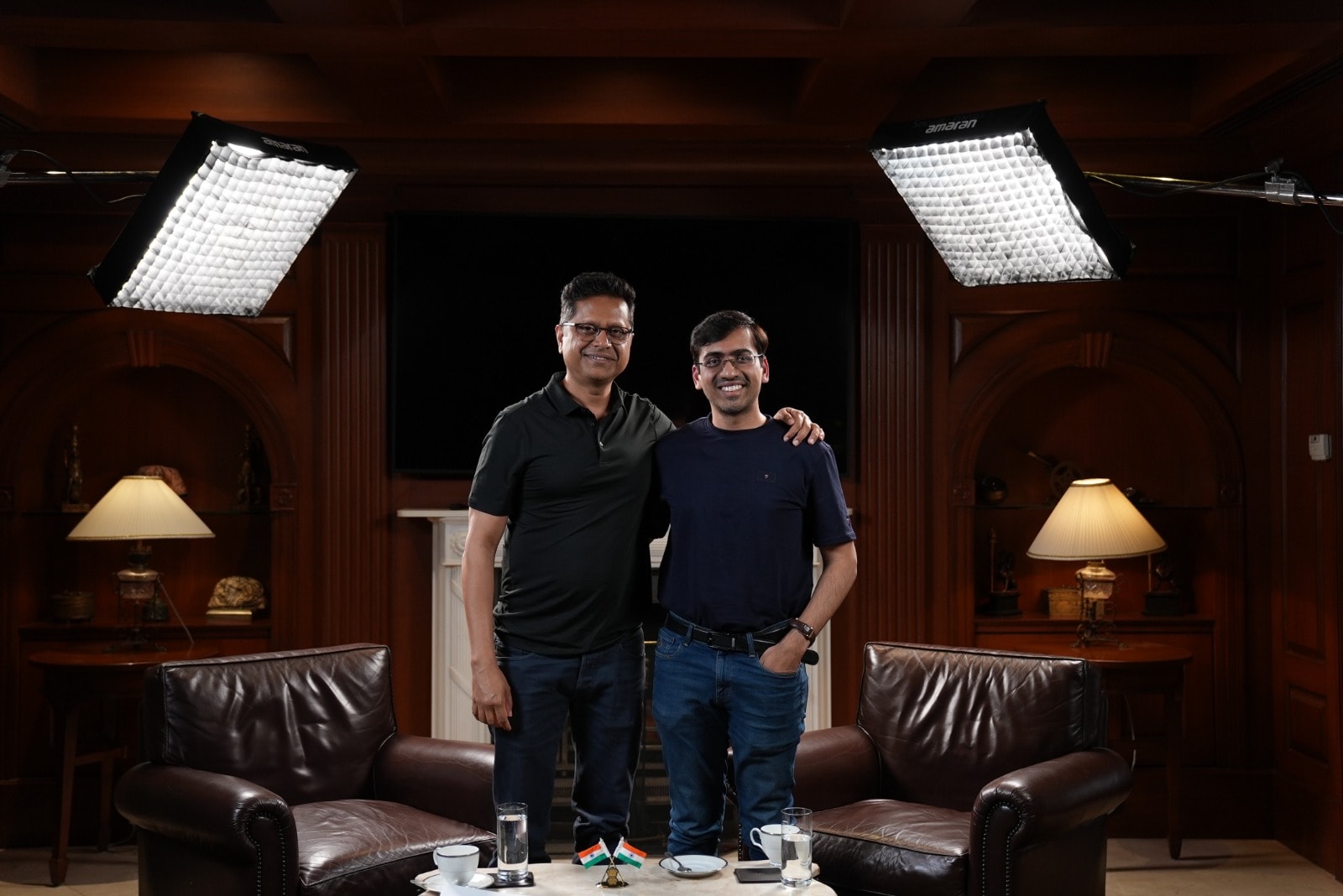
Mukesh Bansal and Pawan Chandana bonded on rocketing dreams
Speaking to NDTV, Mukesh Bansal remembers the moment vividly.
"This might be a surprise to you but it was actually a cold outreach. I was browsing through my LinkedIn inbox. I see this inbound inquiry saying something to the effect of we are two engineers from ISRO and we want to build a private rocket company."
That sentence immediately caught his attention.
"And that headline was very intriguing. I had an interest in space. I was watching the progress of SpaceX and what they had achieved. I was always thinking someone in India should be doing it."
The meeting happened quickly.
"I replied to them. I said let's meet. They replied immediately saying can we come over to Bangalore this weekend? And the rest is really history."
Bansal was not merely investing in a business plan. He was evaluating the character and commitment of the founders.
"My initial investment was Rs 10 crore. I gave them a verbal yes after the first meeting. But I also wanted to understand their plans and evaluate their commitment."
What convinced him was their willingness to dedicate their lives to the mission.
"When I was fully convinced that they are absolutely committed, they are willing to literally give their life for this, that's when we signed the deal."
The risk was enormous. Most start ups fail. Rocket companies fail at an even higher rate.
In 2018 there was not even a clear private space policy in India. Investors saw uncertainty in every direction.
Bansal saw the possibility.
His early backing of Skyroot resembled the spirit of angel investing in its purest form.
He admits that profits were not driving his decision.
"There were zero return expectations. I was not thinking about what kind of money it will make, will it ever make any money."
"It was really about the mission, the passion for what we can do and also curiosity to see how far these ambitious entrepreneurs can go."
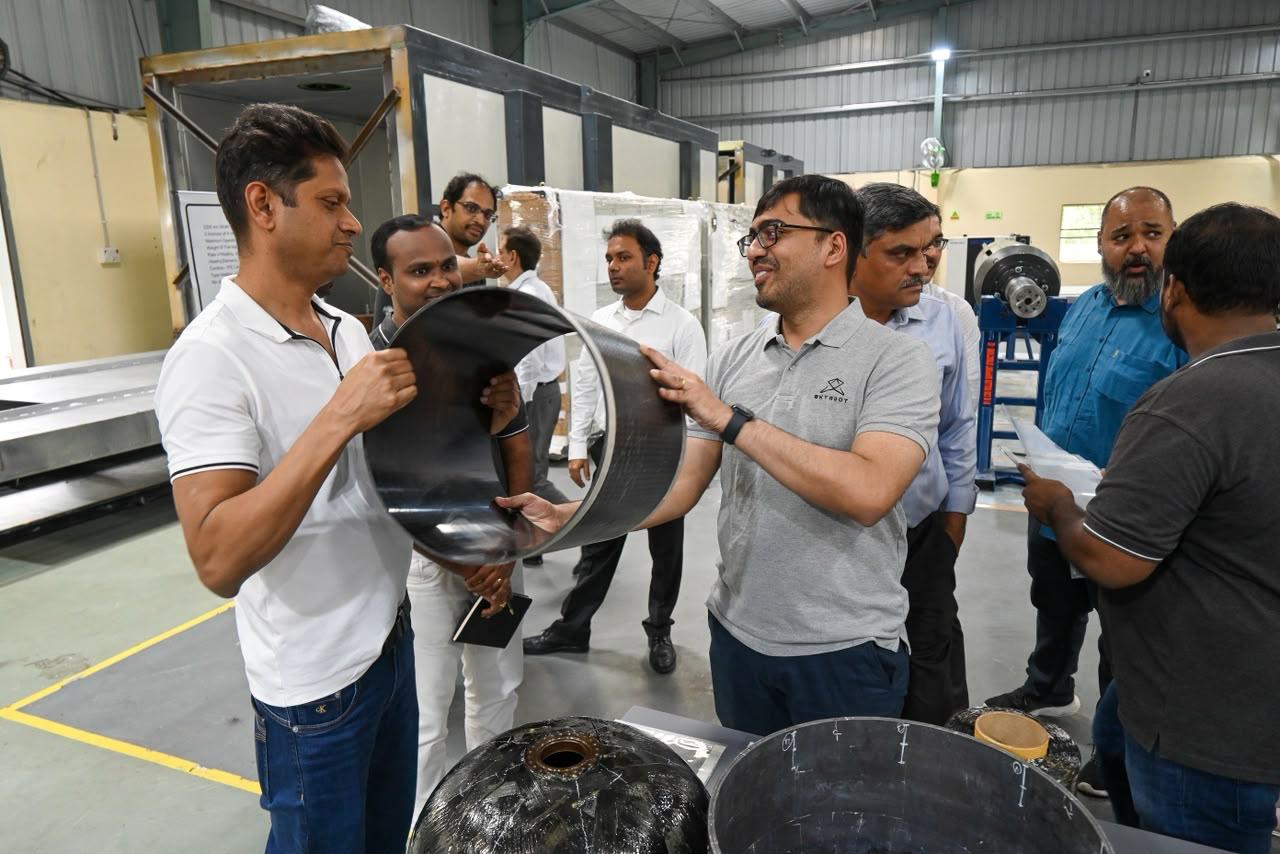
Mukesh Bansal visiting the Skyroot Aerospace shop floor with Pawan Chandana showing him rocket components
Often described as a serial entrepreneur and investor, Mukesh Bansal is among India's best known start up builders. An IIT Kanpur computer science graduate, he founded Myntra, helped transform India's e-commerce sector and later founded Curefit. Over decades, he earned a reputation for spotting transformational opportunities before they became obvious.
Yet he says Skyroot is among the most rewarding investments of his career.
"I am thrilled. I think it is one of the most fulfilling things I have ever done in my career."
"More than the start ups I built myself, I feel more proud of what Skyroot has achieved."
His faith was tested during the Covid pandemic.
"There was no one who was willing to touch a space company and they were really running out of money."
At that critical moment he stepped in again.
"We tried to put together a bridge round and as the only insider I committed another Rs 2 crore. In some ways that investment was as significant or more because it kept the company afloat."
The true payoff came years later.
On July 18, Skyroot Aerospace's Vikram 1 soared into space from Sriharikota.
Vikram-1's spectacular liftoff captured in slow motion 🚀
— Skyroot Aerospace (@SkyrootA) July 28, 2026
The instant Vikram-1 cleared the First Launch Pad at Sriharikota — over in a blink at full speed, here frame by frame.
Ignition. Plume ballooning off the deck. The first few feet of a rocket bound for orbit.
🎥… pic.twitter.com/ESNEy0Gh9H
The mission was historic.
Named after Dr Vikram Sarabhai, the father of India's space programme, Vikram 1 is Skyroot's orbital launch vehicle. The launch marked the first successful orbital mission by an Indian private company and made global headlines because very few private firms anywhere in the world have achieved orbital capability.
Bansal watched the launch remotely.
In the days before lift-off, he repeatedly reminded Pawan Chandana of the daunting odds.
"Every single space company, whether government companies or private space companies, first orbital launch always fails."
But Chandana remained unwavering.
"He would say, no, no, Mukesh, we have done all the work, we have gone through all the checks and rechecks, we are very confident it will work."
Watching the rocket disappear into the skies, Bansal felt something change.
"The moment the rocket disappeared into the clouds, I felt this was done. This is definitely going to happen."
The success validated years of sacrifices by founders, engineers and investors alike.
Yet for Bansal, Skyroot's importance extends well beyond rockets.
He sees it as proof that Indian entrepreneurs can take on the world's hardest engineering challenges.
"As the country celebrates Skyroot becoming the first company ever in India and possibly the world to have had a successful launch to orbit in its first try, many youngsters are getting the belief that they can also do this."
"If we can build rockets, there is almost nothing that the youth of this country cannot do."
His message reflects a larger vision for India's future.
"The dream of Viksit Bharat requires a deep tech revolution and you guys are leading it from the front."
He believes Skyroot has opened the door for the next generation of innovators to tackle frontier technologies ranging from quantum computing and advanced chips to fusion energy and humanoid robots.
"Skyroot has made me optimistic again about the country's deep tech future."
For Chandana, the enduring lesson from his mentor was never just about raising money.
It was about values.
He recalled one piece of advice from Bansal that still guides Skyroot.
"Always do the right thing. This journey will be much longer and much harder than you imagine. Build two things with equal importance, the product and the organisation."
Through every challenge, that guidance became a compass.
Today, thousands draw inspiration from Skyroot's rise. A company that started with two IIT trained ISRO engineers, a dream and a LinkedIn message has become one of India's biggest deep tech success stories.
Appropriately, perhaps, the story is not just about a rocket.
It is about belief. A man who saw possibility when others saw risk. A Rs 12 crore leap of faith that helped launch a billion dollar dream into orbit.
Track Latest News Live on NDTV.com and get news updates from India and around the world

