





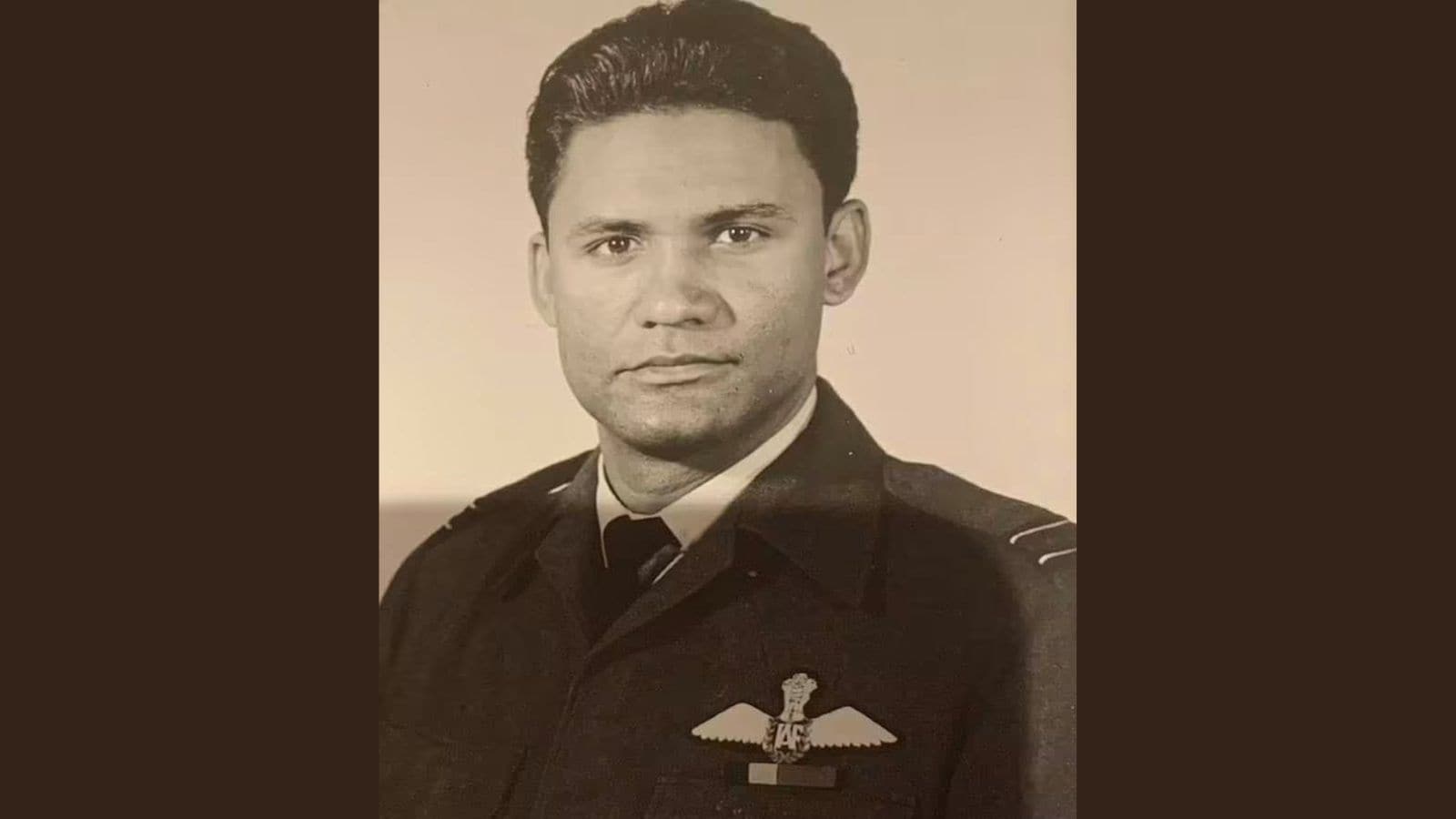
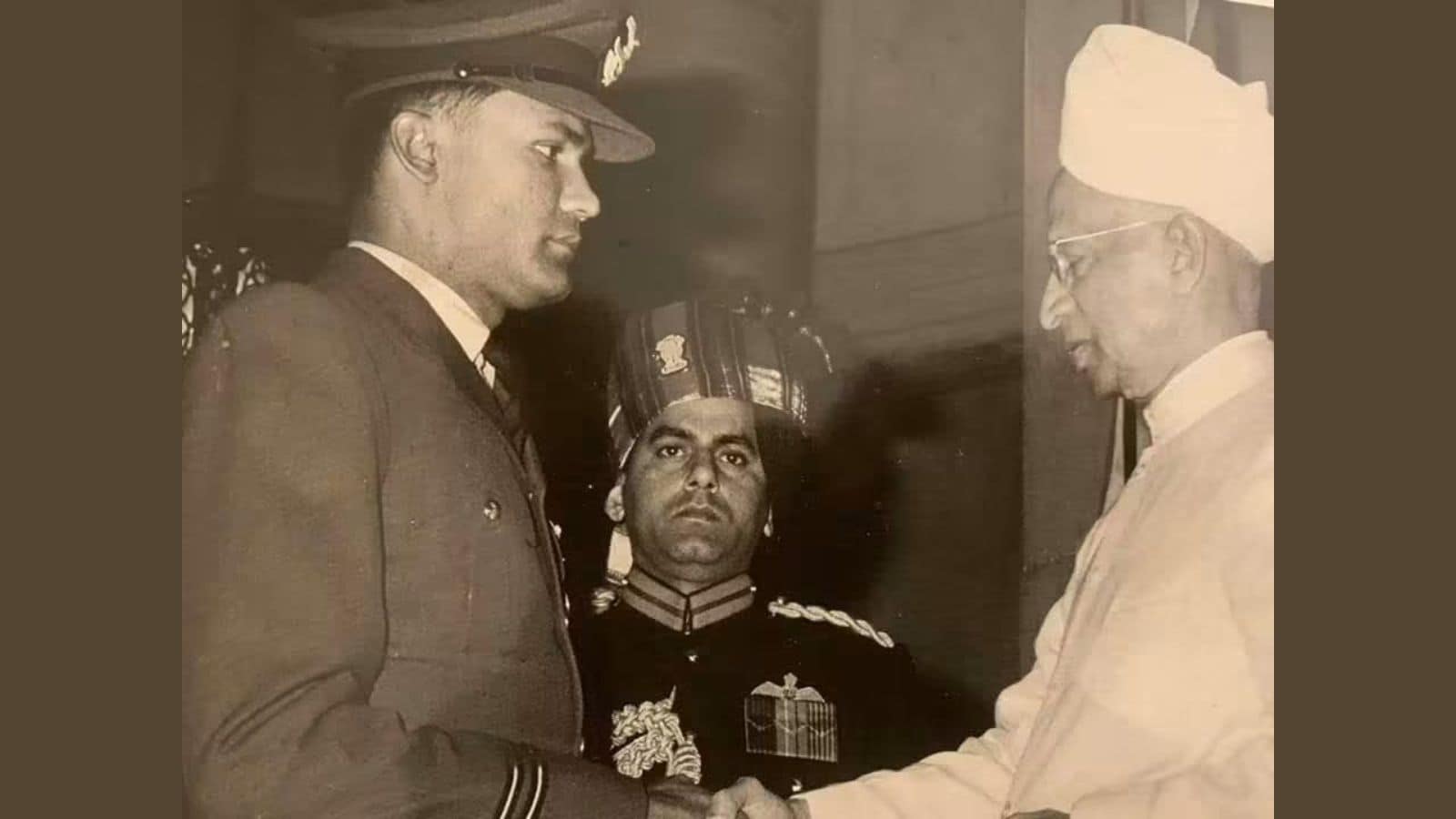
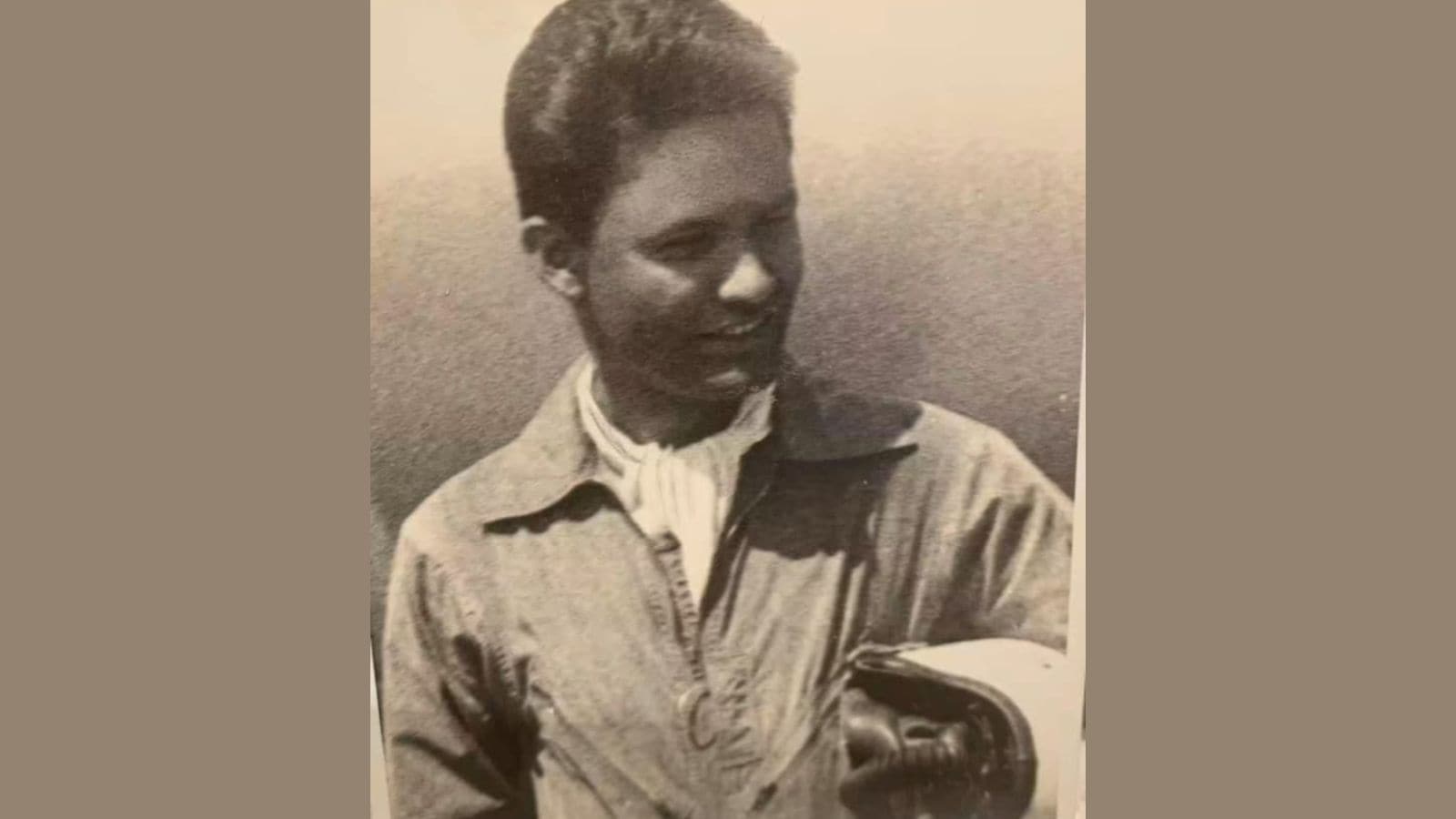
The air battle fought by Flight Lieutenant Alfred Tyrone Cooke over West Bengal's Kalaikunda during the 1965 India-Pakistan war is regarded as one of the most remarkable fighter engagements of the Indian Air Force (IAF).
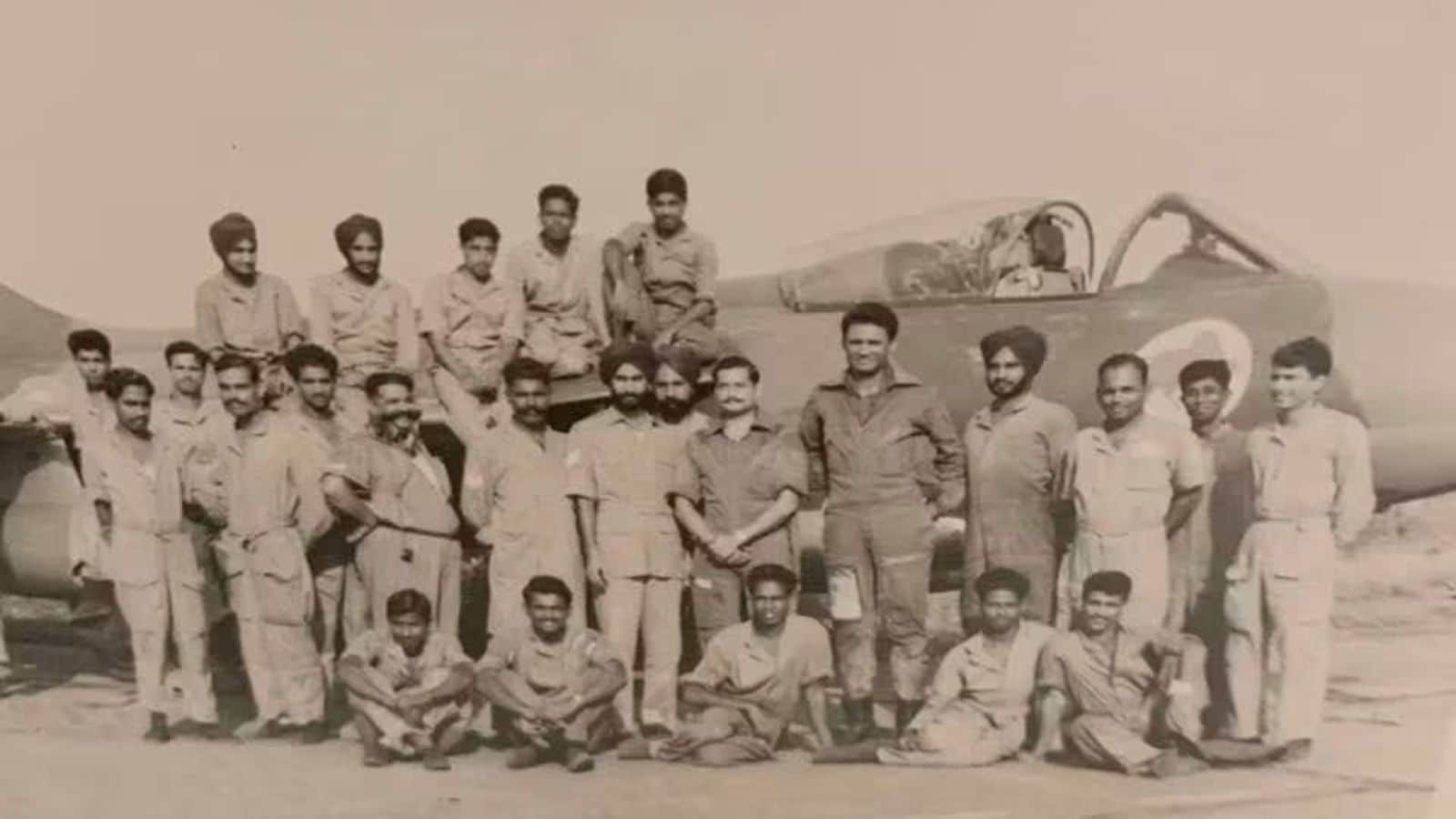
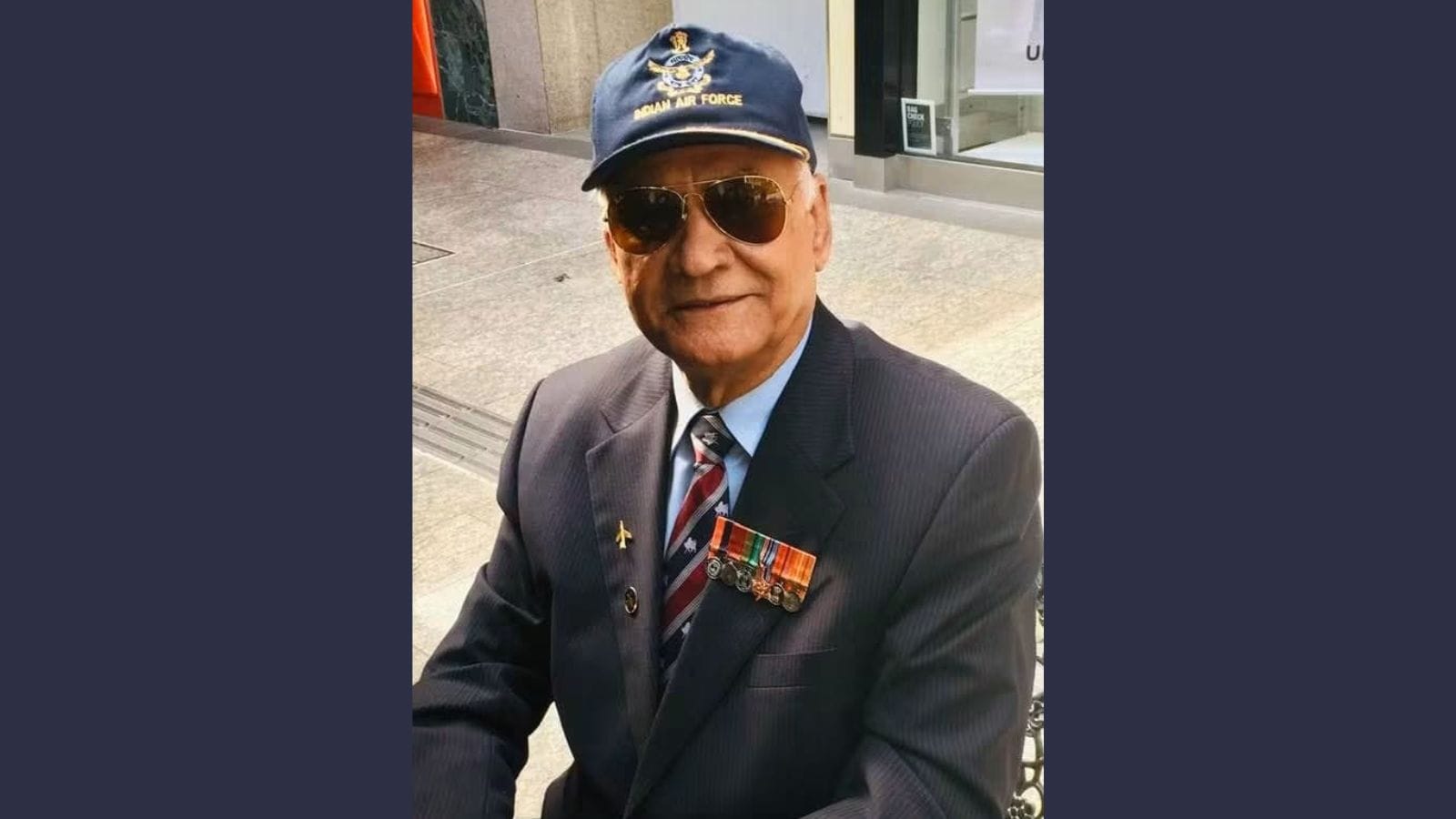
Flight Lt Cooke recorded what became his final interview three days before he died at a hospital in Delhi.
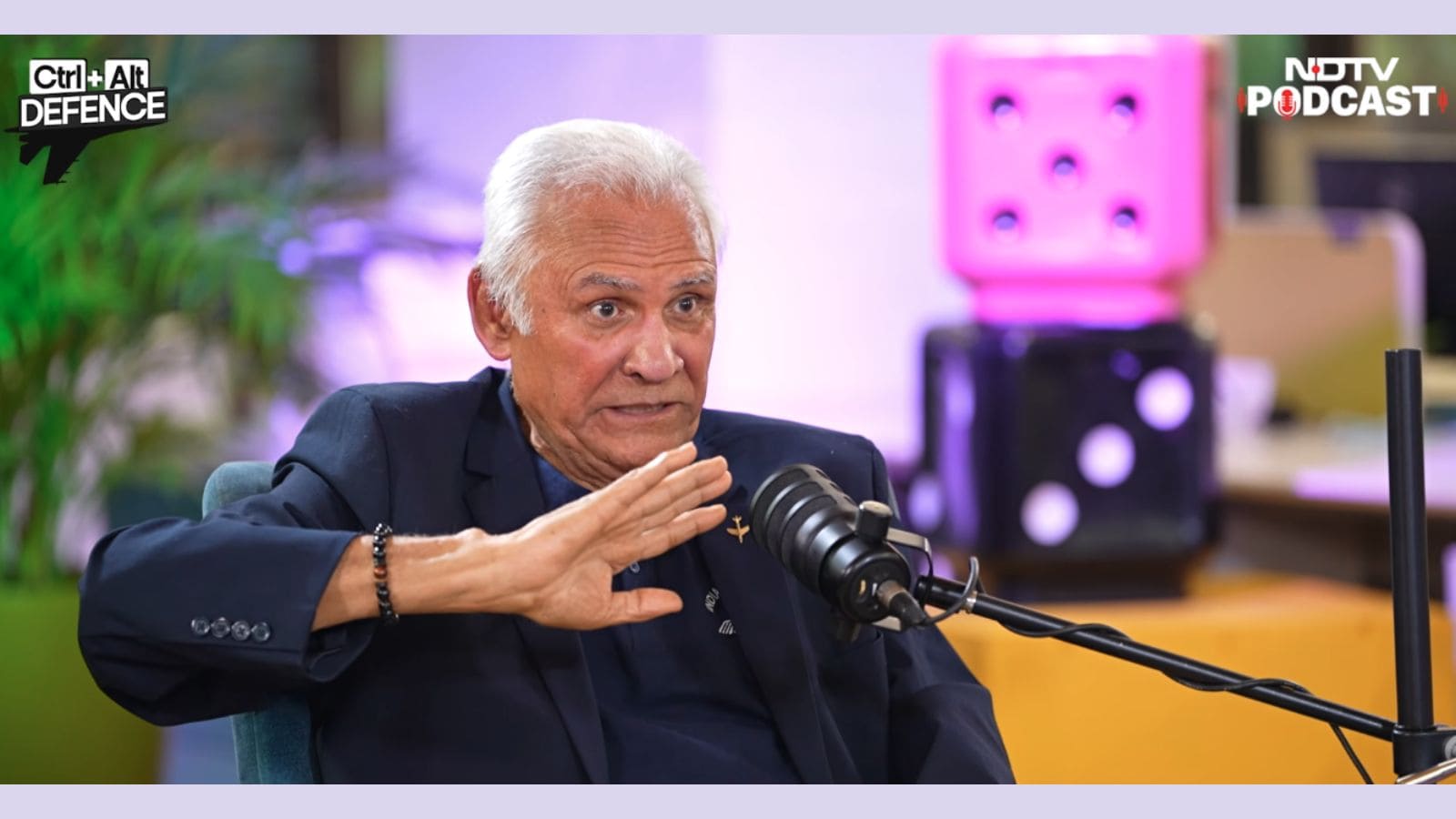
In a conversation with NDTV's Vishnu Som and Shiv Aroor in their podcast 'Ctrl+Alt+Defence', he gave a detailed account of the September 7, 1965 battle when he took on Pakistani Sabre jets attacking Kalaikunda airbase in West Bengal. The podcast gives an unprecedented and detailed look at the events of the day when Flight Lt Cooke, flying a Hawker Hunter, single-handedly engaged Pakistani Sabres over the Kalaikunda airbase in West Bengal.
Flight Lt Cooke shot down at least one Sabre and was officially credited with a second. He engaged a third aircraft before running out of ammunition, according to his account.

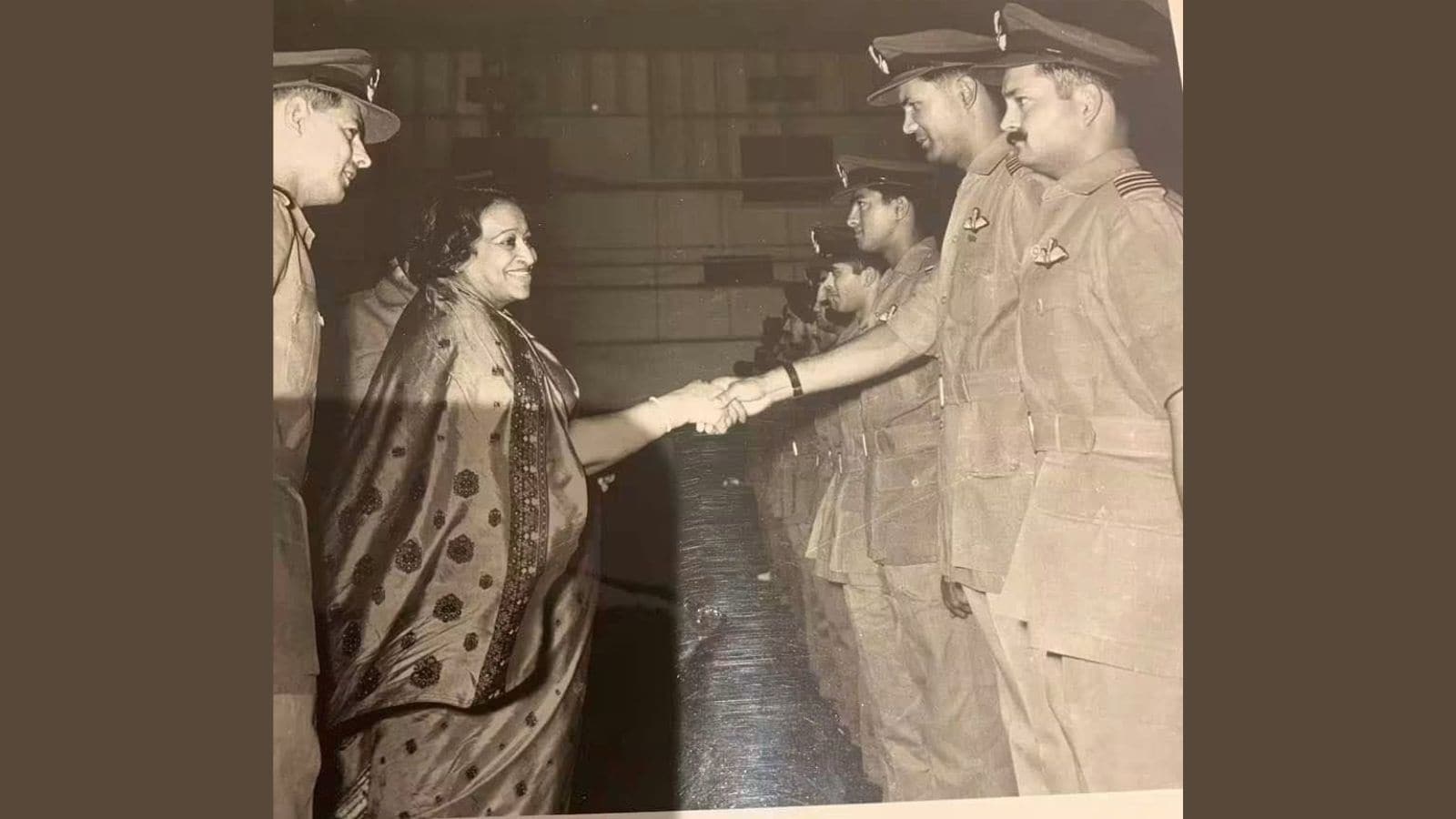
The fight was conducted close to the ground and at times barely 20 or 30 feet above it. He flew through the fireball of the first aircraft he destroyed and immediately entered another dogfight. He was honoured with the Vir Chakra.
He also spoke about the failures that preceded the attack such as limited intelligence and indecision over whether to strike airfields in what was then East Pakistan and a plan to draw Pakistani fighters into combat at 40,000 feet.
He made a decision while flying towards Kalaikunda when his wingman, Flight Lieutenant Mamgain, admitted over the radio that he was frightened.
"Look, I'm scared as well. But they are attacking our base. They are killing people out there. This is our job," Flight Lt Cooke recalled telling him. "I'm not going to run away from a fight as a coward, neither are you."
He said that just days earlier the IAF's Vampire fighters had been sent against Pakistani forces without fighter cover, and four pilots with whom he spoke to only a week earlier were shot down. Only one of them survived. Among those killed was Flight Lt Cooke's friend Hossi Bharucha.
"When Hossi died, I felt such anger in my heart. I said, 'I must get these bastards'," Flight Lt Cooke said. On September 7, the situation in the eastern sector was uncertain as intelligence did not know with confidence where the Pakistani fighters were operating from, Flight Lt Cooke, adding Tejgaon and Kurmitola were among the possibilities.
Flight Lt Cooke recalled that a fellow pilot had passed on information from an Indian Airlines pilot who had seen Sabre jets at Tejgaon just a few months ago. He suggested that an IAF Dakota pilot be deputed to fly with the airline so that the information could be checked but it was not taken forward.
"He said, 'Oh, we can't do that. That's spying'. That was the attitude then. So we had absolutely no idea where they were."
Senior officers also debated whether the IAF should attack targets in East Pakistan because they wanted to avoid extending the fighting there. A plan was eventually drawn up under which the IAF's Hunters would fly over East Pakistan at 40,000 feet so that the contrails could draw Pakistani fighters into a high-altitude engagement.
"The Pakistanis would see the trails, they'll come up, we'll have a dogfight at 40,000 feet and come back and land, which I thought was absolutely stupid," Flight Lt Cooke said. He was assigned an air defence role with support of the wingman.
Another group of four Vampire fighters was to strike a radar unit at Jessore. The two were to provide cover for them and later protect the Hunters as they landed at Dum Dum. The weather was poor. Flight Lt Cooke recalled seeing low clouds at around 500 feet, drizzle and broken patches of visibility due to which the Vampire formation delayed its departure but the Hunters took off.
As Flight Lt Cooke and Mamgain taxied out, Mamgain reported that the Vampires were still on the ground, due to which Flight Lt Cooke decided they would proceed to Jessore to orbit for 15 minutes and then fly to Dum Dum to cover the landing.
While the Indian aircraft were carrying out the planned high-altitude operation, the Pakistani formation approached Kalaikunda at low level. Flight Lt Cooke's account recorded the physical strain before the engagement, starting from his bearer waking him up at 4 am and giving tea.
The man whom the pilots called "Bara Mian" shook his hand and warned him to remain alert. "Hoshiyar ho, saab," Flight Lt Cooke recalled him saying.
Flight Lt Cooke flew his difficult sortie without breakfast. After he landed, the vehicle carrying breakfast failed to arrive. His aircraft was being refuelled when another scramble order was issued. Flight Lt Cooke and Mamgain took off towards an area about 80 km north of Barrackpore from where they were instructed not to cross the border. A river separated the two sides in that area, Flight Lt Cooke said.
Pakistani aircraft circled on their side while the Hunters remained on the Indian side. The Pakistani aircraft eventually withdrew and the two Indian pilots returned and landed at Dum Dum. By then, the breakfast vehicle had arrived and left but nobody had kept food for the two pilots.
"I was mad. I'm hungry," Flight Lt Cooke said, adding another scramble order followed. He took a mug of tea from an airman and drank it quickly. He managed to collect a few biscuits from another man and climbed back into the Hunter.
The fighters were again sent north. Soon, a call came from the radar controllers saying Kalaikunda was under attack. Kalaikunda had an old mobile radar unit dating from the Second World War and an officer he knew as Mama Sahni detected a single contact and passed the information to the airbase. The message reached the radar unit controlling Flight Lt Cooke.
He was asked whether he could intercept, so he checked his fuel. Mamgain also reported that he had enough. The two asked for a course and distance and got a response that they would be 240 degrees and 120 nautical miles. The Hunters accelerated towards Kalaikunda at approximately Mach 0.95 during which Mamgain began to fall behind and then disappeared from Flight Lt Cooke's view.
He repeatedly called the wingman but got no answer. Then radar informed him that the second Hunter was about five miles behind. Due to this, Flight Lt Cooke warned that unless Mamgain closed the distance, he would ask the controllers to guide him back towards his wingman.
"We've got a job to do. You have to be here," Flight Lt Cooke told him.
"Cookey, I'm scared," the wingman said.
Flight Lt Cooke acknowledged that he was frightened too but reminded Mamgain that they had trained together and knew what was required. Mamgain rejoined him afterwards.
The two Hunters descended to about 4,000 or 5,000 feet and approached Kalaikunda at roughly 550 knots. At that speed, the Hunter produced a visible trail of black smoke and so Flight Lt Cooke reduced power to make the aircraft less conspicuous.
At around 10 miles, he saw patches of black smoke from the attack below and identified three aircraft striking ground targets and another providing cover from above. He split the formation and directed Mamgain towards the higher aircraft and went after the three attackers.
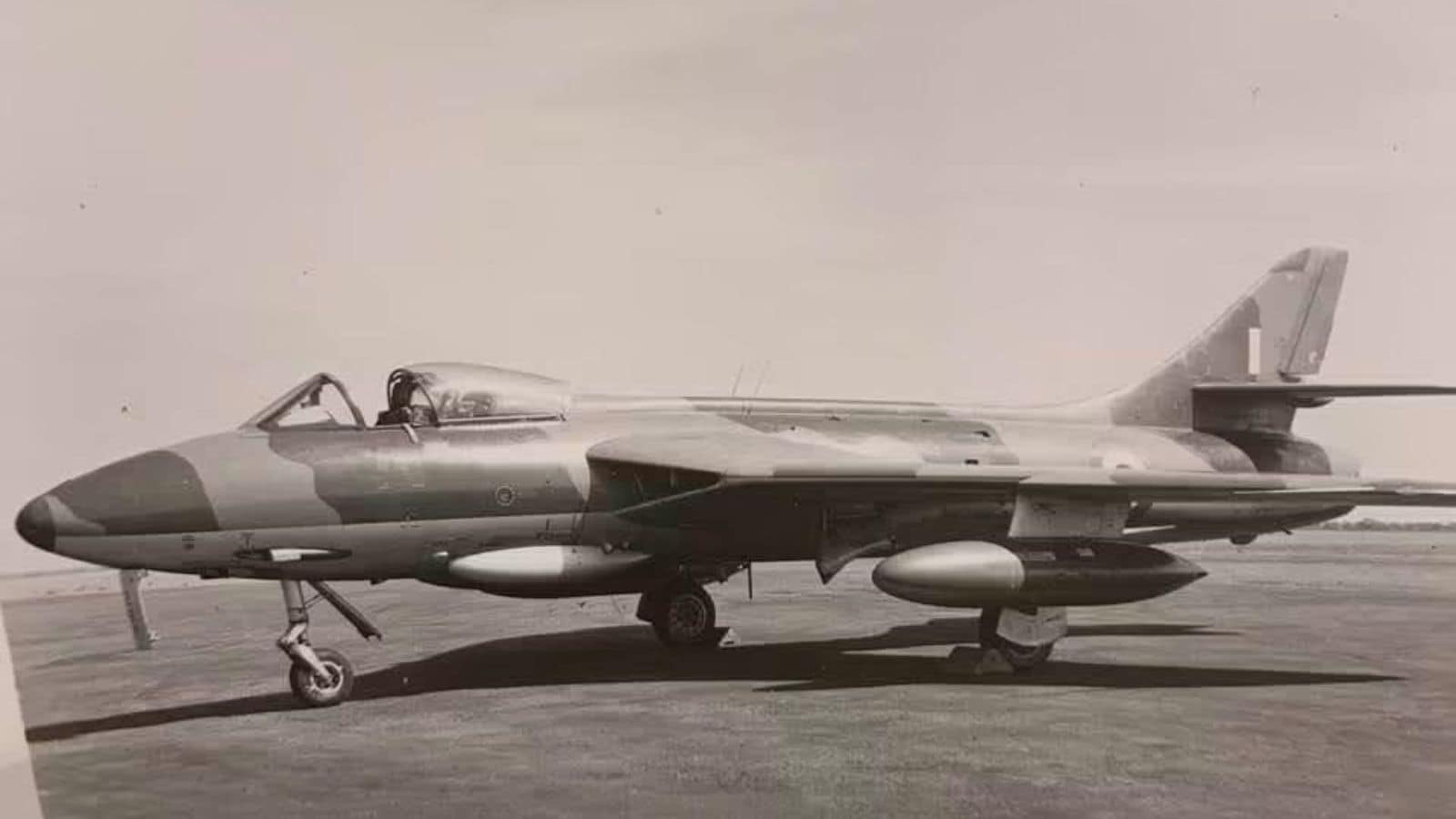
Flight Lt Cooke later said this was one of the decisions of which he remained proudest. Keeping Mamgain fixed to his wing would have left the number two exposed while the formation was outnumbered.
"I'm very proud to say the fact that I didn't insist that he stay with me as my wingman, as the sacrificial lamb. Because we're outnumbered, we have a better chance to survive if we split up."
The three Pakistani aircraft were flying a racetrack pattern, making repeated attack runs against targets on the ground. Flight Lt Cooke selected one of them as it entered a dive. He closed at about 500 knots. The Pakistani pilot was warned and turned sharply to the right.
Using his greater speed, Flight Lt Cooke climbed and rolled the Hunter inverted and watched the Pakistani aircraft below. The Sabre pilot released his external fuel tanks to reduce weight, so did he.
"The Hunter, once you jettison the drop tanks, it becomes a totally different animal. You can make it do just about anything," he said.
The two aircraft entered a close engagement and there was a moment when he believed he would be killed.
"Oh my God, I'm going to die," Flight Lt Cooke recalled thinking. "Jesus, you can't let me die because it would kill my mother. My professionalism kicked in and I knew exactly what these guys were doing."
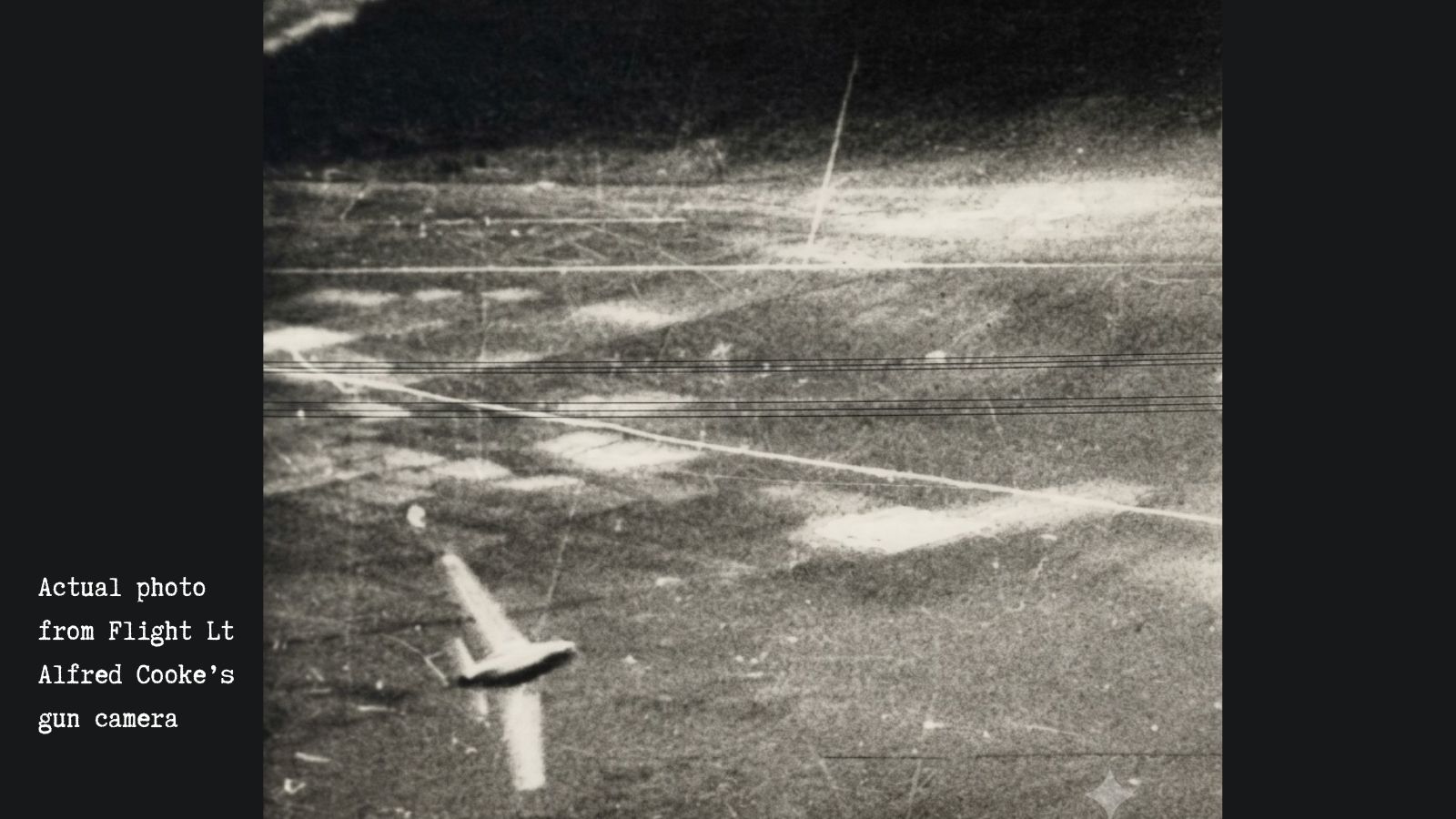
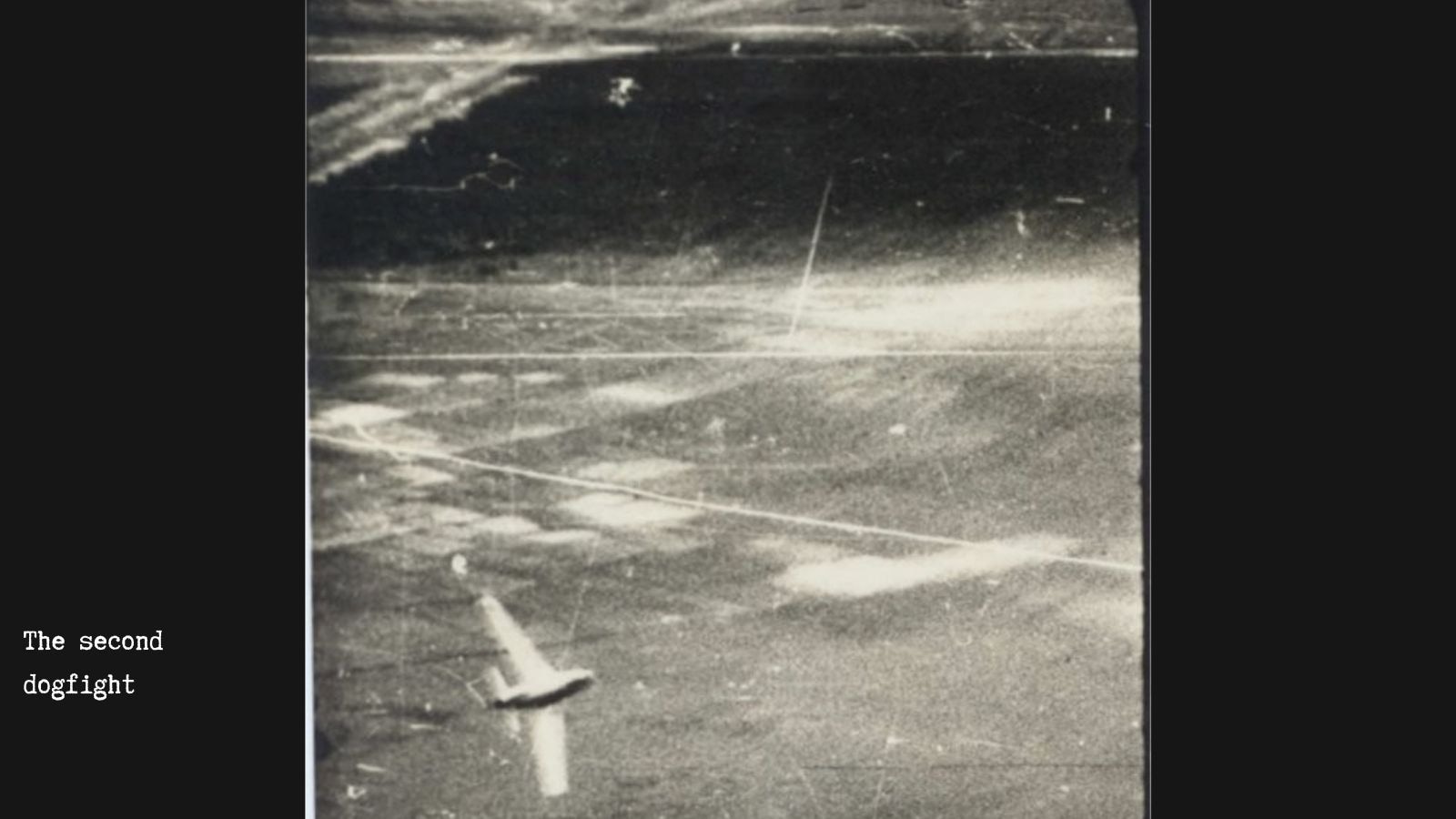
After a series of manoeuvres, the Sabre attempted to escape at very low altitude but Flight Lt Cook remained behind it. The two aircraft were about 20 or 30 feet above the ground. The IAF pilot aligned the Hunter's gun sight and opened fire. He was so low that some of his rounds struck the scrub below.
As the Pakistani aircraft exploded, he was too close to avoid the wreckage and flew through the fireball.
"It felt like a bit of a sort of a thud," he said, adding there was no time to assess possible damage because another Sabre was already approaching him. Flight Lt Cooke pulled up and engaged it.
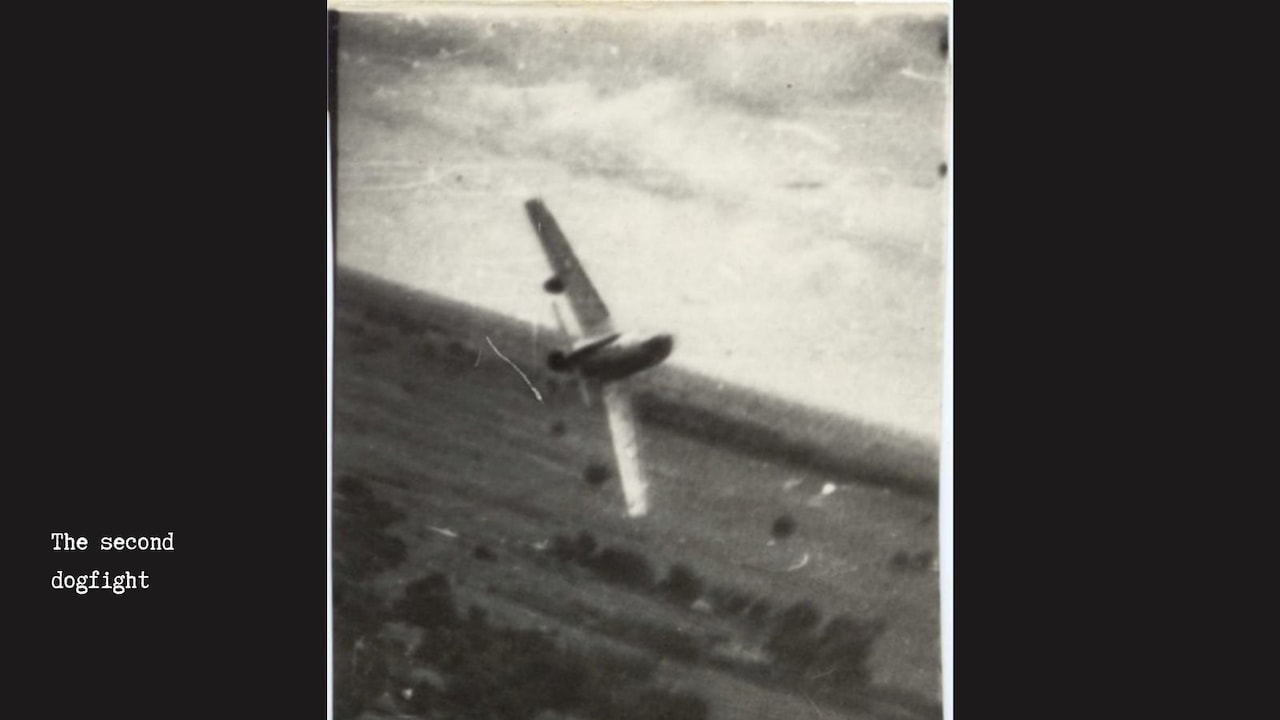
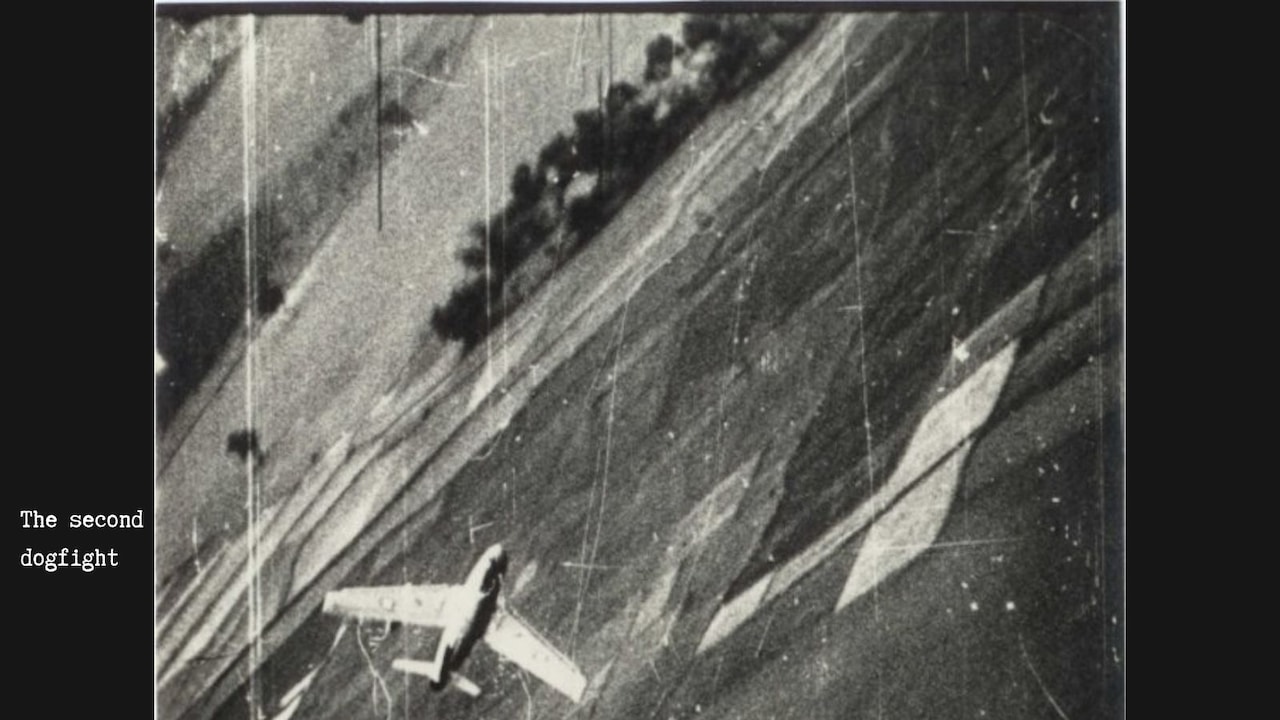
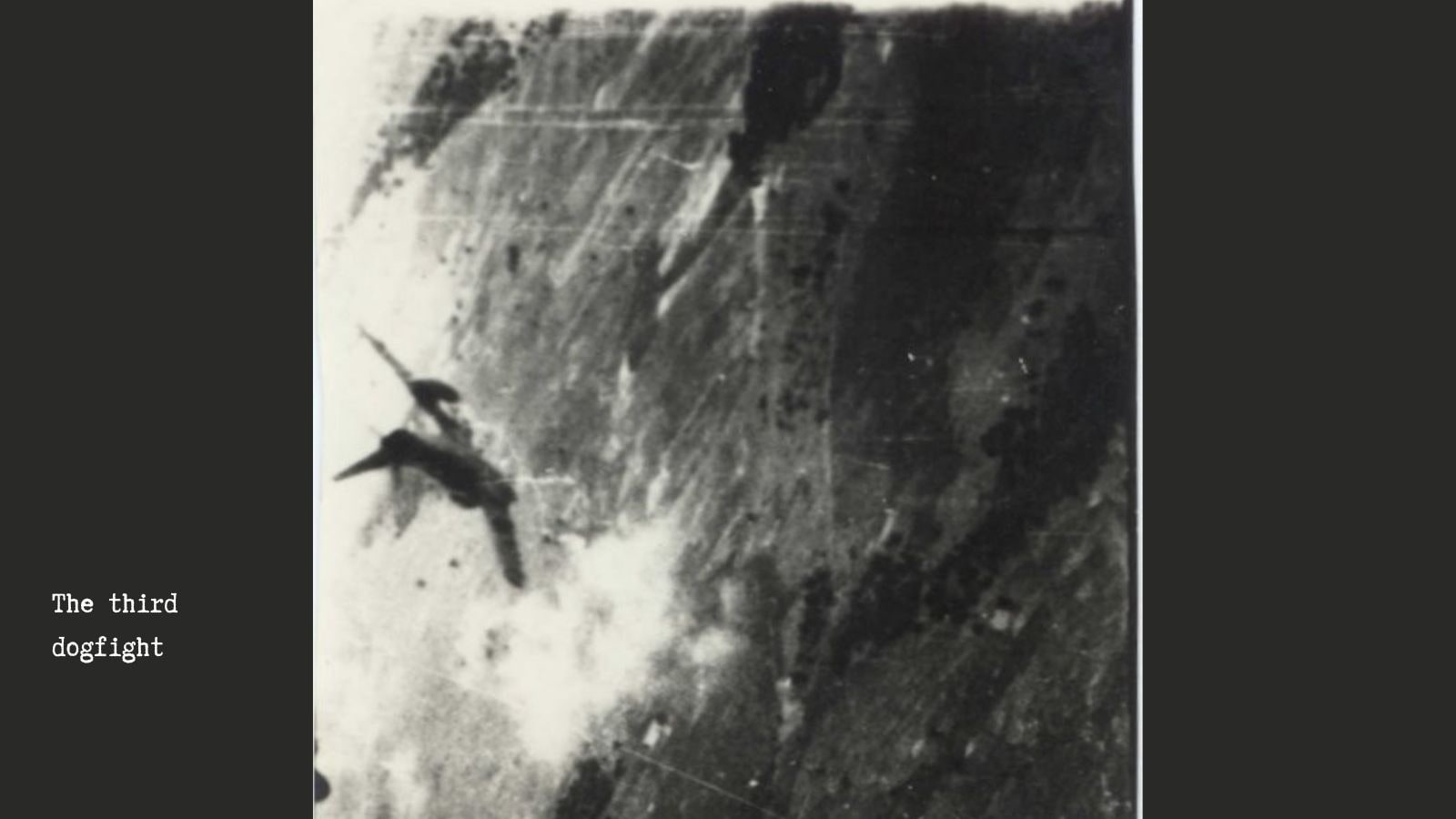
The second fight developed into a series of crossing manoeuvres close to the ground as he relied on lessons given to him by a former flight commander, Piloo Kakar, who had trained him in low-level and low-speed combat.
Kakar had taught him to stay behind and above an opponent and never allow the other aircraft to disappear from sight. "In a dogfight, if you can't see the guy, you're dead," Flight Lt Cooke quoted him as saying.
Flight Lt Cooke stayed above the Sabre and could see its pilot looking up at him. He remembered the pilot wearing a white helmet. Eventually, he moved behind the aircraft and opened fire. The rounds hit the Sabre and sections of its panels broke away, but the aircraft did not immediately go down. The Sabre left the area trailing smoke, he said.
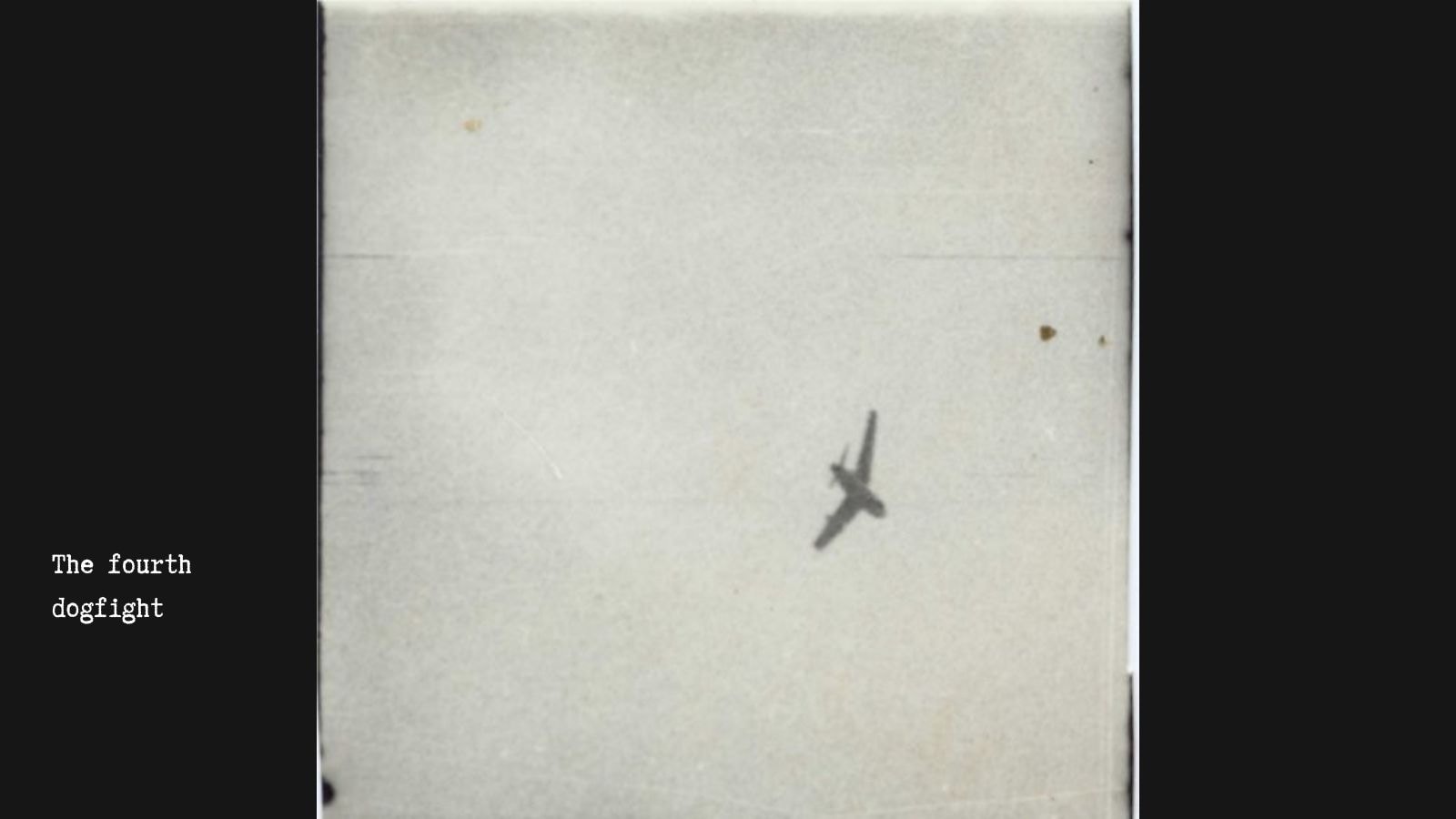
A third aircraft passed him and he stayed behind it, firing throughout the descent.
"Why isn't he exploding? Why isn't he exploding?" he recalled saying. The Pakistani pilot recovered from the dive with Flight Lt Cooke still following and found himself rapidly approaching the ground. He pulled back hard on the control column and the Hunter's guns fired until all the ammunition was gone.
Flight Lt Cooke narrowly avoided the ground. He had entered the fight against a four-aircraft formation, destroyed at least one aircraft, received credit for a second and engaged a third until his guns were empty. The wingman also survived the engagement.
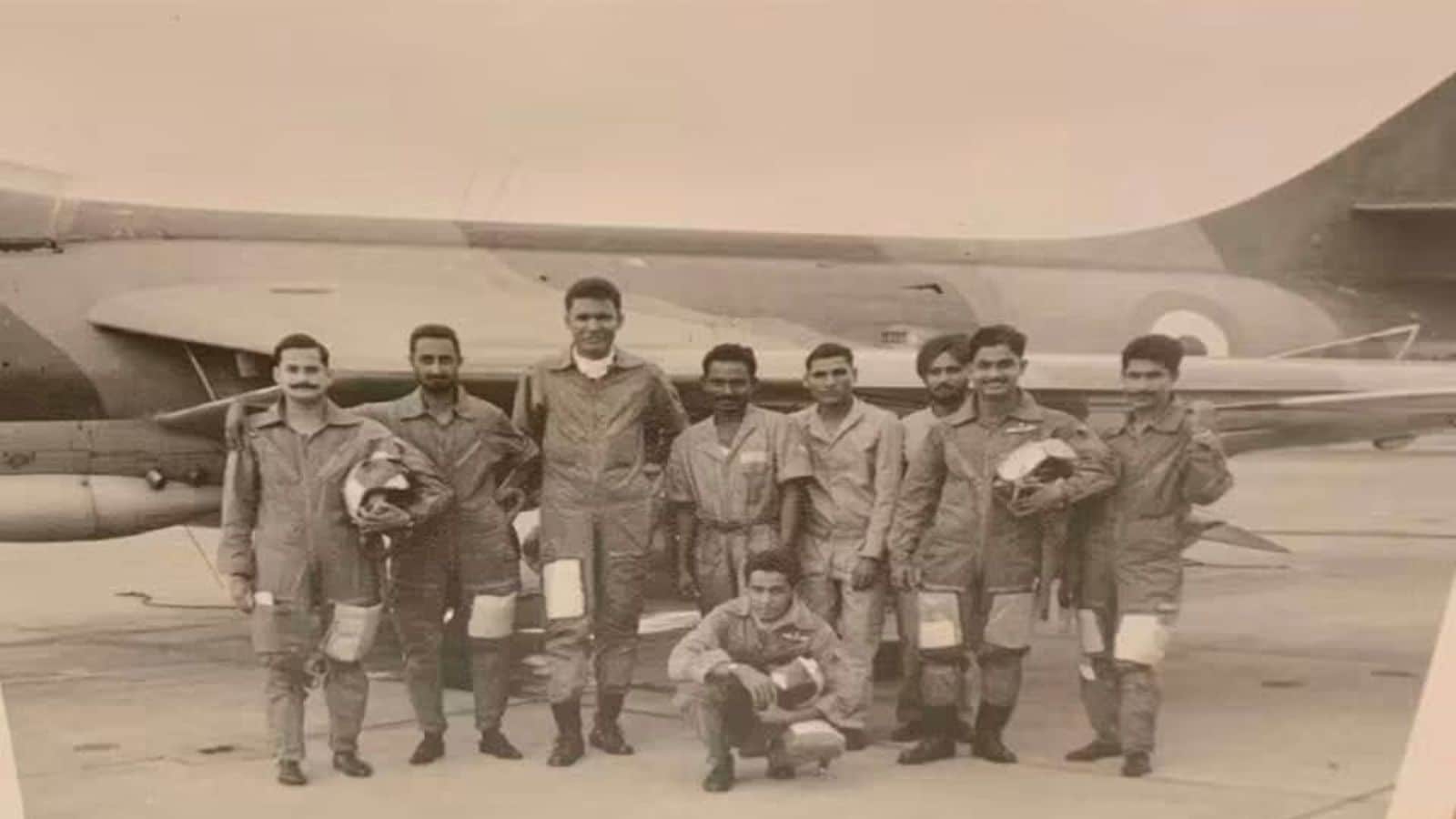
About the fourth Sabre, Flight Lt Cooke said he thought Mamgain was going to be in trouble as he was doing a "very leisurely turn at about 3,000 feet and 300-350 knots". The Pakistani Sabre was 1,500 yards behind and closing in.
"So I gave him a call. I said, 'do a hard left, hard left'. He did that and then the Sabra saw me and turned towards me to engage," Flight Lt Cooke said, adding he also got ready for another dogfight.
"I was on his tail without any ammunition. But I took him on. I had to get him because if I was in the front then he would shoot me. So I got behind him and he started doing aerobatics over our airfield, doing low-level loops and barrel rolls. I had no trouble staying with him because aerobatics are what you do to show off when you get a chance. You do that for fun," Flight Lt Cooke said, adding he was low on fuel too.
The Sabre then retreated back to its base in full speed.
Track Latest News Live on NDTV.com and get news updates from India and around the world

