





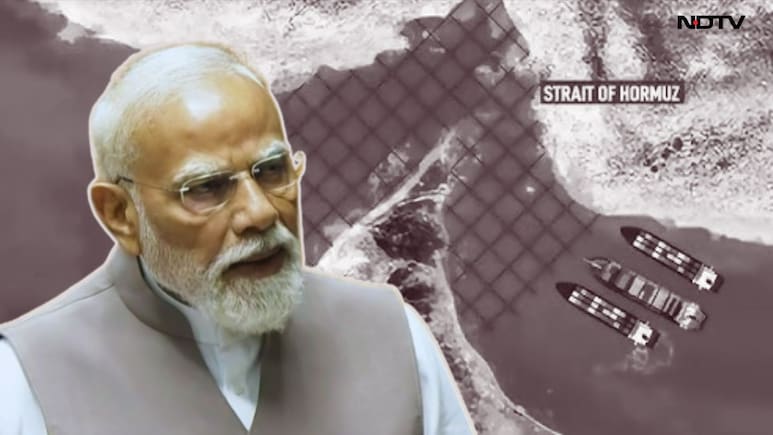
- India faces risks from Iran war as it imports much of its oil and gas from Gulf nations
- Strait of Hormuz supplied around 1.3 million barrels of oil daily to India and 85% of LPG
- PM Modi said India diversified energy imports from 27 to 41 countries in 11 years
The war in Iran presents a "concerning situation" given India imports significant quantities of crude oil and gas from Gulf nations, Prime Minister Narendra Modi told Parliament Monday. But India, the Prime Minister said, is responding to volatility caused by Tehran's chokehold on the Strait of Hormuz, which supplied the country 1.3 million barrels of oil daily pre-war.
Overall, the Strait of Hormuz accounts for a fifth of the world's seaborne crude oil trade; an estimated 20 million barrels per day are shipped through its waters, with India, China, Japan, and South Korea amongst the major buyers.
But fighting in Iran, and missile strikes on energy infrastructure in the wider West Asia region, crippled tanker traffic through the strait, driving Brent crude benchmarks to a nearly four-year-high and raising fears of petrol and gas price hikes in India.
The PM, though, reassured crores of Indians watching energy prices and mentally calculating the impact on household budgets. "Our government has tried (to ensure) that petrol, diesel and gas supply shouldn't get disrupted (and that) households shouldn't suffer," he said.
Earlier this month sources told NDTV the government's efforts to stabilise petrol prices, which includes buying crude from Russia, had 'paid off' thanks to 'continuous negotiation on multiple fronts' and stressed 'the crude oil situation is under control'.
RECAP | "Fuel Prices Won't Rise, Don't Panic": Sources Say India To Buy Russian Oil
The Prime Minister, meanwhile, also told Parliament that the country had diversified energy imports over the past decade, underscoring increased resilience to global shortages and expanded strategic reserves.
"In the last 11 years, we have diversified our energy imports... earlier we used to import from 27 nations. Now we import from 41 countries. We have 53 lakh metric tons (in) strategic reserves."
On the issue of LPG cylinders, he said, "We have increased production in the country."
There have been widespread reports of shortage of LPG cylinders that are used by over 33 crore Indian households to cook food. Restaurants and eateries in Mumbai, Chennai, Bengaluru, and Kolkata said they had shut down or reduced menu items.
RECAP | Iran War Pushes Many Eateries Into Retro Mode: Wood, Coal Replacing LPG
But on March 11 the government said it had ordered a 25 per cent increase in production.
India imports 60 per cent of its LPG needs. And 90 per cent of that comes via the Hormuz.
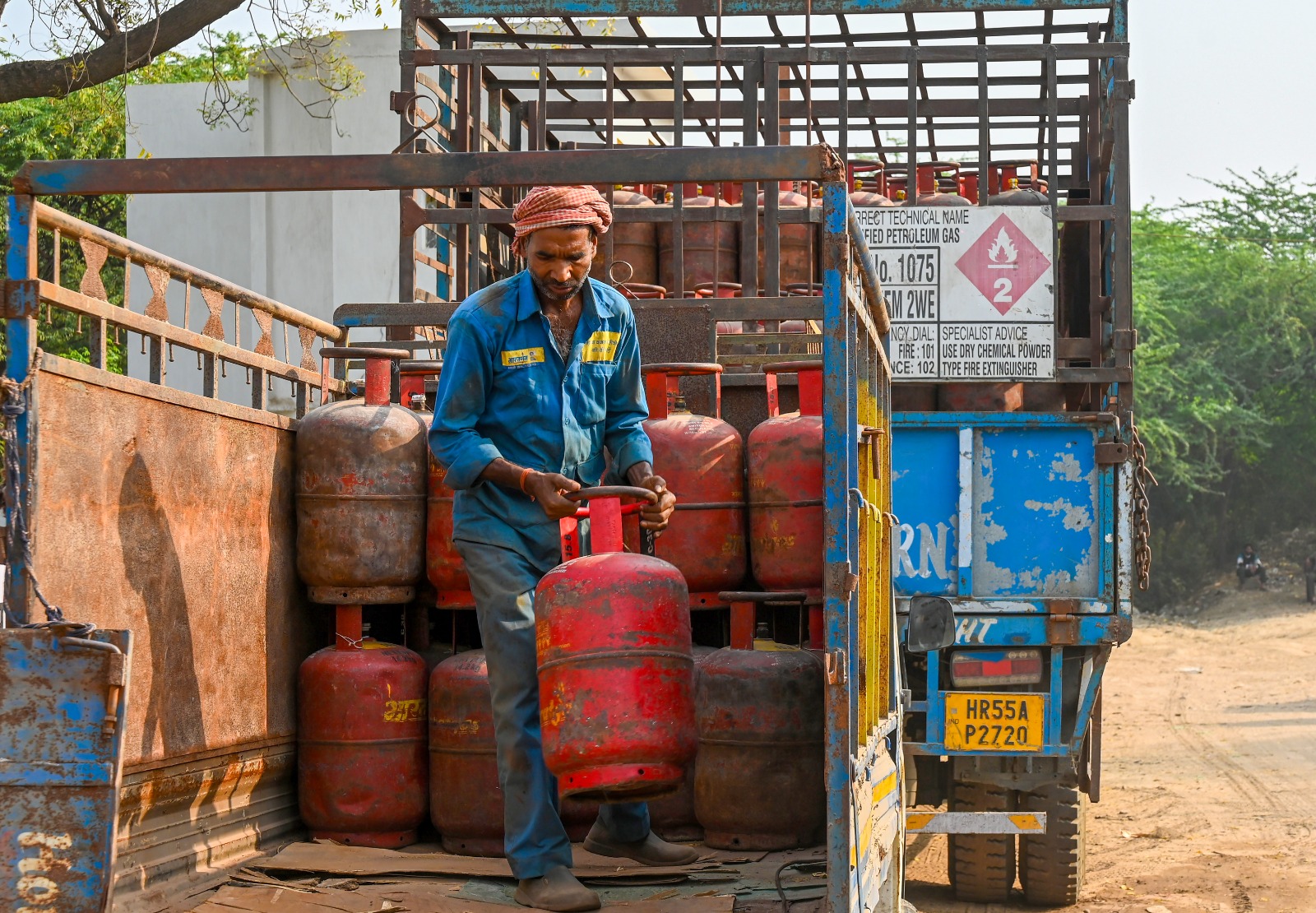
India consumes approximately 31.3 million tonnes of LPG annually (File)
The PM also said his administration is working to ensure oil and gas tankers, as well as those with fertilisers, from Hormuz to India, irrespective of the flag it is flying, "reach India safely".
An estimated 63 per cent of India's nitrogen fertiliser imports, which includes urea and ammonia, and 32 per cent of DAP, or di-ammonium phosphate, comes from Gulf nations, a percentage that is critical for Indian economic growth given it is agriculture-reliant.
NDTV Special | After Oil, Gas, Hormuz Chokehold Raises Fertiliser Red Flag
India, the Prime Minister said, is also benefitting from an already-running programme increasing ethanol content in petroleum. This, he claimed, meant India had to buy less crude. "We mix 20 per cent ethanol in petrol... so we have 4.5 crore fewer barrels to import," he explained.
The Prime Minister also outlined the multifaceted challenges India faces due to the tensions in the Gulf nations.
"This conflict has also created unforeseen challenges for India. These challenges are economic, related to national security, and humanitarian. India has extensive trade relations with the countries at war and those affected by it," he said.
NDTV is now available on WhatsApp channels. Click on the link to get all the latest updates from NDTV on your chat.
Track Latest News Live on NDTV.com and get news updates from India and around the world

