





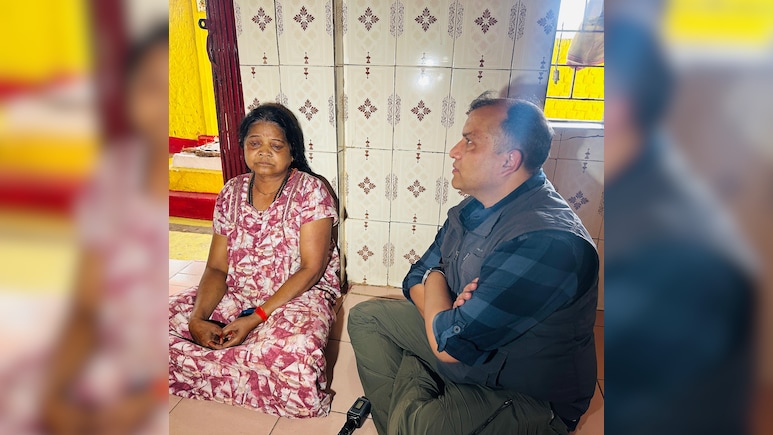
Jhiram Valley in Chhattisgarh's Bastar carries a silence that feels heavier than words. It is as if the forest witnessed everything but has chosen not to speak. And it remains silent today, as the government's March 31 deadline for eradication of the Maoist menace approaches.
On May 25, 2013, as the Maoist guns turned part of it red, killing 32 people and sparking shock and outrage, for a mother in this remote corner, time stopped. Rambha Devi Joshi still lives in a bubble where her son Manoj never truly left.
"My son woke up that morning and told me, 'Maa, I'm going to Jagdalpur,'" she recalled, pausing to steady her breath. "That was the last thing he ever said to me. I couldn't even see his face one last time. Even today, I feel he will return... and say, 'Maa, serve me food quickly,'" she said
Manoj had been married for just 25 days.
On May 1, he had begun a new life; by May 25, that life was violently taken away as Maoists ambushed a political convoy.
Her son, Rambha Devi said, was forcibly taken by local Congress leaders while on way to Jagdalpur to attend a rally in Sukma. "They sat in his vehicle and got off on way back, asking him to drive on... his vehicle was at the very front," she said.
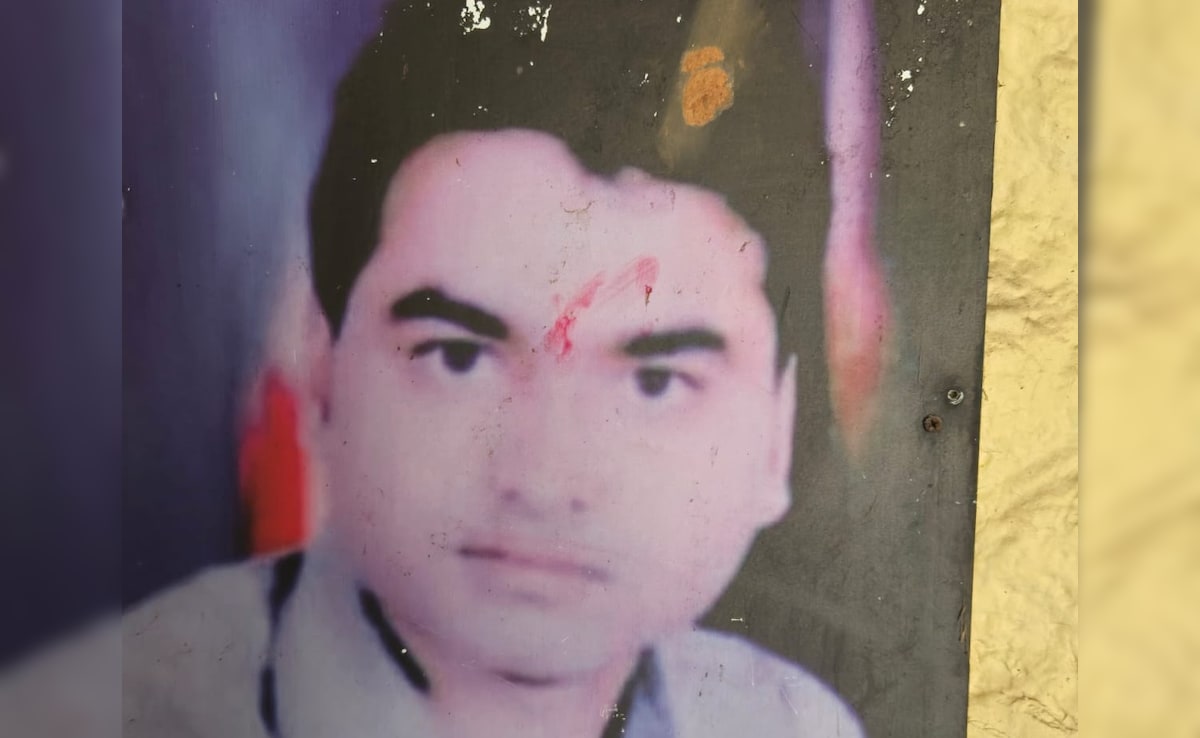
Manoj's vehicle was the first to be blown up in the ambush.
"His body was hanging from the bamboo trees... he was alive... there was water was just a few feet away, but no one could give him any... then they (the Maoists) riddled him with bullets," she said, her voice breaking. "I was unconscious for three days... I couldn't do anything."
Manoj had bought a red Bolero with dreams of earning a living.
"He used to say, 'I will achieve something... I will make it by driving a taxi,'" she told NDTV. The loan on that vehicle remained unpaid when he died. It was she who eventually bore that burden. "I repaid the loan myself... with great difficulty... it took me nearly ten years, paying in small instalments. It was only completed recently."
Read: Beyond Jhiram Massacre: A Student's Memory Of A Teacher Who Never Returned
She had knocked on every door for help. "I went to the Collector, to ministers... but no one listened. The officials told me that whatever compensation was due would go to my daughter-in-law," she said. Rambha Devi said she received nothing -- "a mother was left with nothing but pain".
After the compensation and job went to his wife, "she never contacted me again... her family even threatened to take away whatever property I had," she recalled.
Today, her struggle has only grown tougher. The elderly woman is now battling blood cancer. "For the past two years, I have needed blood transfusions every month... since my son died, I have never been well," she said.
Yet, despite her failing health, her memories remain vivid and unrelenting. Every festival -- Holi, Diwali, Navratri, Rakhi brings back memories of Manoj.
"He loved me so much... he couldn't stay without me... he would always ask for something," she said, tears rolling down her face.
When NDTV reached Jhiram Valley and met Rambha Devi near a small Durga temple, the setting seemed to mirror her silence. It was evening. A few women and young girls sat quietly in prayer before the idol of the goddess. The fading light, the stillness of the forest, and the low murmur of the women created a solemn backdrop to her grief.
Read: Deadline To End Maoist Threat Near, Chhattisgarh Massacre Site Under Shadow
Just four kilometers from the temple stands the martyr's memorial, where stepping inside requires courage. Every photograph tells a story. Among them is Manoj Joshi's picture frozen in time, much like his mother's life.
"I don't sleep at night," she said, sitting with folded hands, leaning against a wall for support. "That scene keeps coming back to me again and again."
She recalled how she first learned of her son's death. It was around 10 pm when a journalist arrived and showed her Manoj's photograph on a phone. "Until then, I believed he had gone to Jagdalpur... the moment I saw the image, I collapsed. I hit my head on a stone and remained unconscious for a long time," she said.
Today, as the government claims that the Naxal threat is nearing its end, Rambha Devi said she finds some solace in that thought. "If this is ending, it is good... no other mother should have to go through what I did. That is the only comfort I have." Yet, for her, justice remains incomplete. "I have not received any real support... if my younger son had been given a job, it would have helped us survive," she added. Manoj was her middle son. Her daughter is married, her younger son now manages the household.
Jhiram Valley remains unchanged -- the forests, the roads, the silence. But for Rambha Devi, life has remained suspended. Amid her fight with cancer, she waits. Because somewhere deep inside, she still believes that one day, the door will open and a familiar voice will call out --"Maa... give me food".
Track Latest News Live on NDTV.com and get news updates from India and around the world

