





Madhya Pradesh has moved a step closer to implement a Uniform Civil Code (UCC). In a significant decision, the state cabinet on Sunday unanimously approved the draft Uniform Civil Code Bill, 2026, paving the way for its introduction in the Legislative Assembly, whose session begins today.
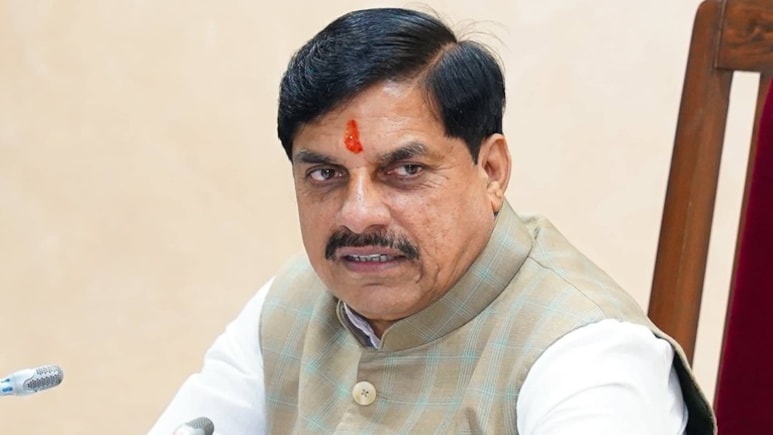
Chief Minister Mohan Yadav described the proposed legislation as a "landmark decision" that seeks to ensure equal rights, equal opportunities and equal justice. He said the law has been drafted in line with the spirit of Articles 14 and 44 of the Constitution, emphasizing that equality has always been an integral part of India's civilisational values.
The draft has been prepared following the recommendations of a seven-member committee headed by former Supreme Court judge Justice (Retd.) Ranjana Prakash Desai, constituted on April 27, 2026. According to the Chief Minister, the committee studied legal models from different states and received more than 10 lakh public suggestions and responses through consultations and a dedicated web portal before finalising its recommendations.
All about the Uniform Civil Code (UCC) Bill
Among the most significant provisions of the proposed law is the introduction of monogamy as the only legally valid form of marriage, effectively prohibiting polygamy and practices such as Triple Talaq. Marriage and divorce registration will become compulsory across the state, from gram panchayats to urban local bodies.
The draft also proposes to criminalise practices such as Nikah Halala and bars any person convicted of murdering a property owner from inheriting that person's estate.
The government has also proposed sweeping reforms in matters relating to family rights. Sons and daughters, widows and widowers, and parents will enjoy equal inheritance rights, while women will receive equal property rights. The proposed law further provides legal protection to women in live-in relationships by granting them the right to maintenance if abandoned.
The proposed code recognises children born out of live-in relationships as legitimate, making them eligible for inheritance. It also places the welfare of the child as the paramount consideration in custody disputes.
One of the more debated provisions requires mandatory registration of live-in relationships within one month. Failure to register, or furnishing false information, could attract penalties, including fines and imprisonment. The draft also proposes up to five years' imprisonment for a married person entering into a live-in relationship while the spouse is alive.
The proposed UCC will not apply to Scheduled Tribes, recognising constitutional protections available to tribal communities. Nomadic and semi-nomadic communities with protected customary traditions have also been kept outside its ambit.
The government has maintained that the legislation does not interfere with the freedom of citizens to practise their religious customs and traditions and has insisted that there has been "no attempt to target or undermine any religion."
With the bill expected to be introduced during the Assembly session, it is likely to trigger a sharp political debate. While the BJP has projected the legislation as a major reform aimed at ensuring gender justice and legal uniformity, the Congress has already raised objections, questioning why Scheduled Tribes have been excluded if the objective is to create a truly "uniform" civil code.
Track Latest News Live on NDTV.com and get news updates from India and around the world

